
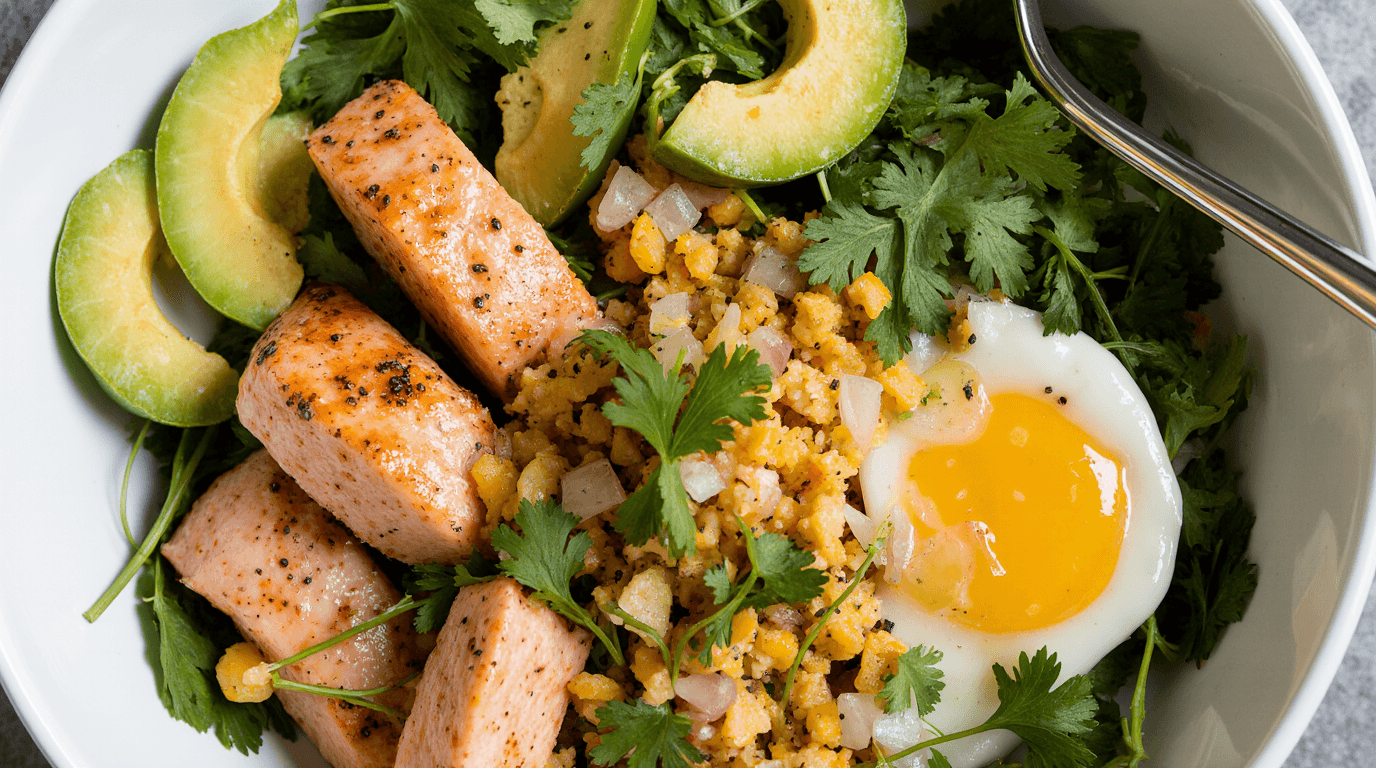
The Perfect Salmon Poke Bowl: Delicious and Healthy
Remember that moment when you crave something fresh, vibrant, and utterly satisfying? That craving led me straight into the world of Hawaiian-inspired cuisine. I discovered a dish that feels like sunshine on a plate—a beautiful combination of colors, textures, and flavors that truly nourishes both body and soul.

This guide welcomes you to create a meal that balances taste and wellness effortlessly. You will learn how to build a dish packed with protein, healthy fats, and energizing carbs. It’s ideal for busy weeknights or when you want to impress guests at a gathering.
Best of all, you can customize every ingredient to match your personal preferences. Get ready to enjoy restaurant-quality flavor right from your own kitchen!
Key Takeaways
- Create a meal that is both delicious and nutritious
- Enjoy a Hawaiian-inspired dish perfect for any occasion
- Balance protein, healthy fats, and complex carbs in one bowl
- Recreate restaurant-quality taste easily at home
- Customize your dish to fit personal taste and dietary needs
- Build a meal that is visually appealing and satisfying
Why You’ll Love This Perfect Salmon Poke Bowl
What if you could enjoy restaurant-quality dining that’s actually good for you? This creation brings together vibrant flavors and nutritional benefits in one satisfying meal. You get a balanced combination that fuels your body while delighting your taste buds.

Each component works together to create something truly special. The marinating process transforms the fish, while fresh vegetables add crunch and vitality. You end up with a meal that feels both indulgent and wholesome.
Nutritious and Flavorful Combination
This dish provides high-quality protein that supports muscle health and keeps you satisfied. Omega-3 fatty acids from the fish promote heart health and cognitive function. You also get essential vitamins and minerals from the fresh ingredients.
Marinating in soy sauce creates umami flavors that enhance the natural taste. The process slightly cures the surface, improving texture through protein structure changes. You achieve depth of flavor while maintaining nutritional integrity.
Fresh vegetables contribute fiber and antioxidants to your meal. Healthy fats from ingredients like avocado support nutrient absorption. You create a complete nutritional profile in every bite.
| Rice Option | Nutritional Benefits | Best For |
|---|---|---|
| Sushi Rice | Provides quick energy, easy to digest | Traditional texture and flavor |
| Brown Rice | Higher fiber content, slower energy release | Longer lasting satisfaction |
| Cauliflower Rice | Low carb, high in vitamins C and K | Low-carbohydrate options |
Quick Preparation for Busy Days
You can assemble this meal in minutes rather than hours. The marinating happens quickly while you prepare other components. You save time without sacrificing flavor or quality.
Most ingredients require minimal preparation work. Cubing the fish takes moments, and vegetables need simple chopping. You avoid complicated cooking techniques or lengthy processes.
This dish adapts perfectly to meal preparation strategies. You can make components ahead and assemble when needed. You enjoy fresh, healthy eating even on your busiest days.
The combination of speed and nutrition makes this ideal for modern lifestyles. You satisfy cravings while supporting wellness goals. You create restaurant-worthy results with home kitchen convenience.
Understanding Poke Bowl Origins
Ever wonder about the story behind your favorite meal? This dish carries a fascinating history that spans oceans and cultures. You’re about to discover how simple ingredients became a global sensation.
Traditional preparations focused on fresh-caught seafood from Hawaiian waters. Local fishermen would season their catch with sea salt and seaweed. This humble beginning evolved into the vibrant dish you enjoy today.

Hawaiian Roots with Japanese Influence
Japanese immigrants brought their culinary expertise to Hawaii generations ago. They introduced rice preparation methods and slicing techniques. These skills blended beautifully with local Hawaiian food traditions.
You can see this fusion in modern poke creations. The combination of vinegared rice with marinated fish shows clear inspiration. Fresh vegetables and creamy avocado complete the cultural marriage.
This cross-cultural exchange created something entirely new yet familiar. It represents how food traditions travel and adapt across borders. You experience this rich heritage with every bite.
| Culinary Influence | Key Contribution | Modern Manifestation |
|---|---|---|
| Hawaiian | Fresh raw fish preparation | Marinated cubed fish |
| Japanese | Sushi rice techniques | Seasoned rice base |
| Local Adaptation | Ingredient availability | Creative sauce variations |
The Meaning Behind “Poke”
The name itself tells you everything about the preparation method. “Poke” translates directly as “to slice” or “cut into pieces.” This refers to how the main protein gets prepared for your bowl.
Originally, fishermen would cube their fresh catch right on the boat. They’d season it with whatever they had available. This practical beginning became a beloved culinary tradition.
Today, you continue this tradition when you cube fish for your meal. The name perfectly describes the fundamental preparation technique. It honors the dish’s practical, working-class origins.
Understanding this meaning adds depth to your cooking experience. You connect with generations of cooks who prepared food this way. Your kitchen becomes part of this ongoing culinary story.
Essential Ingredients for Success
Building an amazing meal starts with understanding each component’s role. You need quality items that work together in harmony. This foundation ensures every bite delivers maximum enjoyment.

Selecting the Right Salmon
High-quality sushi-grade fish makes all the difference. You want firm texture and vibrant color. Look for bright flesh without discoloration.
Freshness ensures safety and optimal taste. Your fish should smell clean like the ocean. Avoid any strong or ammonia-like odors.
Base Components: Rice and Greens
Your foundation sets the stage for everything else. Sushi rice offers traditional stickiness and slight sweetness. Brown varieties provide more fiber and nutrients.
Mixed greens create a lighter alternative. They add freshness and require zero cooking. You can combine both for textural variety.
| Base Type | Texture | Preparation Time |
|---|---|---|
| Sushi Rice | Soft, slightly sticky | 20 minutes |
| Brown Rice | Chewy, nutty | 45 minutes |
| Mixed Greens | Crisp, fresh | 0 minutes |
Fresh Vegetable Toppings
Crunchy elements add excitement to each mouthful. Red cabbage provides color and slight pepperness. Shredded carrots offer natural sweetness.
Creamy avocado brings richness and healthy fats. Edamame adds protein and pleasant bite. Seaweed salad contributes oceanic flavors.
These toppings create visual appeal and nutritional balance. You get vitamins, minerals, and dietary fiber. Each component enhances the overall experience.
Sauce Ingredients for Maximum Flavor
Your marinade transforms simple ingredients into something special. Soy sauce provides deep umami foundation. Rice wine vinegar adds necessary acidity.
Sriracha brings adjustable heat levels. Sesame oil contributes nutty aromatic notes. Green onions and sesame seeds finish with freshness and crunch.
This combination creates complex flavor profiles. You achieve balance between salty, sweet, and spicy. Your sauce ties all components together beautifully.
Sourcing Sushi-Grade Salmon Safely
Finding the right fish makes all the difference in your culinary adventure. You want to ensure both safety and exceptional taste in every bite. Understanding sourcing helps you create amazing meals with confidence.
Quality ingredients transform simple preparations into restaurant-worthy dishes. You’ll discover how to identify and select the best products available. This knowledge empowers you to make informed choices.
What “Sushi-Grade” Really Means
This term indicates fish processed specifically for raw consumption. It undergoes strict handling and freezing protocols. These measures eliminate potential parasites and ensure safety.
Properly graded fish gets caught using rapid techniques. Fishermen bleed it immediately upon capture. They gut and ice it thoroughly within hours.
Freezing represents the most crucial safety step. Regulations require specific temperature and duration combinations. You get protection through these controlled processes:
- Conventional freezing at 0°F for 7 full days
- Flash-freezing at -35°F for 15 continuous hours
- Professional monitoring throughout the entire process
Where to Find Quality Salmon
Specialty retailers often carry the best selection. Look for reputable fish markets with knowledgeable staff. These experts understand proper handling requirements.
Many grocery stores now offer sushi-grade options. Check the seafood counter rather than pre-packaged sections. You might find excellent products at local markets too.
Don’t overlook the freezer aisle sometimes. Some retailers stock frozen graded fish alongside fresh options. You expand your possibilities by checking multiple areas.
Frozen vs. Fresh Considerations
Frozen fish often provides the safest choice for raw preparations. It undergoes mandatory parasite-destroying freezing processes. You gain peace of mind with properly frozen products.
Fresh fish might not have undergone required freezing. Unless specifically labeled otherwise, assume it needs cooking. You protect yourself by understanding this distinction.
Texture and flavor remain excellent with frozen-thawed fish. Modern freezing techniques preserve quality beautifully. You enjoy great results while prioritizing safety.
When selecting, examine appearance and aroma carefully. Look for vibrant color and firm texture. Avoid any product with strong or off-putting odors.
Preparing Your Salmon Properly
Getting your fish ready properly transforms simple ingredients into something extraordinary. The right techniques preserve texture and ensure food safety throughout your preparation process. You create the foundation for an amazing meal with careful handling.
Thawing Techniques for Frozen Fish
Proper thawing maintains quality and prevents texture changes. The refrigerator method works best for preserving delicate flesh. Place your frozen fish on a paper towel-lined pan overnight.
For quicker results, use the cold water approach. Submerge the sealed package, changing water every 30 minutes. This method typically takes 2-3 hours for complete thawing.
Both methods prevent bacterial growth while restoring freshness. You protect the delicate fat content that contributes to flavor. Your ingredients stay safe and ready for marinating.
Cutting and Cubing Methods
Cutting against the grain creates perfect bite-sized pieces. Aim for consistent ½ to ¾ inch cubes throughout. This size allows even marinating and easy eating.
Use a sharp knife for clean cuts that preserve texture. Wipe the blade between cuts for neat edges. Your cubes will hold their shape during mixing and serving.
Uniform pieces ensure even flavor distribution in your meal. They also create visual appeal when arranging your bowl. You achieve professional results with simple techniques.
Skin and Bone Removal
Check carefully for any remaining bones before cubing. Run your fingers along the flesh to detect small pin bones. Use tweezers or pliers for easy removal when found.
Skin removal becomes simple with proper technique. Slide your knife between skin and flesh at one corner. Use a sawing motion while holding the skin taut.
Removing these elements ensures pleasant eating experience. You avoid unexpected textures that might distract from flavors. Your final dish maintains perfect consistency throughout.
These preparation steps make your other ingredients shine. When you add soy sauce and sesame seeds later, they adhere perfectly. Your careful work pays off in every delicious bite.
Creating the Flavorful Marinade
Mastering your sauce transforms ordinary ingredients into extraordinary meals. The right combination enhances natural flavors without overwhelming delicate textures. You build layers of taste that complement rather than compete.
Balance becomes your guiding principle throughout this process. Each component contributes something unique to the final result. You create harmony between salty, sweet, sour, and spicy elements.
Balancing Soy Sauce and Vinegar
Start with equal parts soy sauce and rice vinegar as your foundation. This creates the classic umami-tangy profile that defines great marinades. Adjust ratios slightly based on your personal preference.
Add a touch of sweetness to round out sharp flavors. A teaspoon of sugar or maple syrup works beautifully. You achieve perfect harmony between contrasting taste elements.
The vinegar also helps slightly cure your fish cubes. This changes the protein structure for improved texture. Your marinade does double duty as both flavor enhancer and tenderizer.
Incorporating Aromatics
Fresh aromatics build complexity in every bite. Minced garlic and grated ginger add warmth and depth. Thinly sliced green onions contribute fresh, sharp notes.
Toasted sesame seeds provide nutty crunch and visual appeal. Sesame oil brings rich, aromatic qualities that tie everything together. You create a symphony of flavors that dance on your tongue.
These elements work together to elevate simple ingredients. They transform basic components into something truly special. Your meal gains restaurant-quality sophistication.
Adjusting Spice Levels
Control heat intensity to match your personal preference. Sriracha offers consistent, manageable spiciness. Start with one teaspoon and adjust upward gradually.
Chili flakes provide alternative heat options if desired. They distribute differently throughout your marinade. You can create customized spice profiles for different days.
Remember that spices intensify during marinating time. What tastes mild initially might gain strength later. You learn to anticipate these flavor developments.
Timing affects both flavor penetration and texture changes. Fifteen minutes provides light seasoning for delicate tastes. Forty-five minutes allows deeper flavor development.
Longer periods continue altering protein structure through gentle curing. You achieve different textures based on your timing choices. This flexibility lets you customize results perfectly.
Quick-Pickled Cucumber Preparation
Ever thought about adding that extra crunch and tang to your meal? Quick-pickled cucumbers bring refreshing brightness to every bite. They balance rich flavors with their acidic crispness.
Choosing the Right Cucumbers
Select Persian or English varieties for ideal results. Their thin skins and minimal seeds create perfect texture. You avoid the watery quality of thicker-skinned types.
These varieties maintain firmness during quick brining. Their natural crunch enhances your final dish beautifully. You get consistent quality with every preparation.
Vinegar Brine Technique
Create a simple solution using rice vinegar as your base. Combine equal parts vinegar and water in a bowl. Add honey, salt, and optional red chili flakes for complexity.
The sweetener balances the vinegar’s sharp acidity. Salt enhances overall flavor penetration. Chili flakes introduce subtle heat if desired.
This combination creates layered tastes in minutes. You achieve restaurant-quality results with basic ingredients. Your condiment becomes a standout component.
Timing for Perfect Crunch
Soak cucumber slices for exactly ten minutes. This brief period infuses flavor without compromising texture. Then transfer them to your freezer for five to ten minutes.
Quick chilling stops the pickling process abruptly. You preserve that desirable crispness perfectly. The rapid temperature change creates exceptional crunch.
This timing prevents sogginess that develops with longer brining. You maintain structural integrity while gaining flavor. Your cucumbers stay delightfully crisp yet fully seasoned.
Prepare these ahead for convenience. They keep beautifully in refrigeration for up to five days. You always have tangy crunch ready for your creations.
Sriracha Mayo Sauce Creation
Have you ever tasted that magical creamy sauce that ties everything together? Your salmon poke bowl becomes extraordinary with the right finishing touch. This versatile condiment adds richness and heat that balances other flavors beautifully.
Creating your own signature sauce lets you control every element. You adjust creaminess, spice level, and consistency to match your preferences. This personal touch elevates your meal from good to unforgettable.
Creamy Base Options
Traditional mayonnaise provides classic richness and smooth texture. It creates that familiar creamy base you love in restaurant versions. You’ll find quality options at any grocery store.
Greek yogurt offers a lighter alternative with tangy notes. It adds protein while reducing overall fat content. Vegan mayonnaise works perfectly for plant-based diets too.
Each base brings unique qualities to your final creation:
- Mayonnaise: Rich, traditional, emulsified perfectly
- Greek yogurt: Tangy, protein-packed, lighter feel
- Vegan alternatives: Plant-based, allergy-friendly options
Spice Customization
Sriracha delivers consistent heat with slight garlic undertones. Start with one tablespoon per half cup of base. Adjust upward gradually until you reach desired intensity.
Wasabi paste creates different heat sensation if preferred. It offers sharper, nasal-clearing spiciness. Chili garlic sauce provides another flavorful alternative.
Remember that spices intensify upon standing. Your sauce might taste milder initially than after resting. Allow flavors to meld for about ten minutes before final adjustments.
Consistency Adjustments
Your ideal sauce should drizzle smoothly without being runny. Add water one teaspoon at a time if needed. Lemon juice or rice vinegar also work beautifully for thinning.
For thicker consistency, simply use less liquid. Whisk thoroughly between additions to achieve perfect texture. You want it to coat ingredients without pooling excessively.
Experiment with flavored mayonnaise variations too. Wasabi aioli adds exciting Japanese-inspired notes. Chipotle mayonnaise brings smoky depth to your creation.
This component completes your the perfect salmon poke bowl experience. It adds necessary richness against bright, acidic elements. Your final creation achieves beautiful balance in every aspect.
Step-by-Step Assembly Guide
Ready to transform your prepared ingredients into a stunning meal? Proper assembly makes all the difference between good and extraordinary results. You’ll create something beautiful that tastes even better than it looks.
Follow these simple techniques for restaurant-quality presentation. Each step builds upon the previous one for perfect balance. Your final creation will impress both eyes and taste buds.
Layering Rice and Greens
Start with a sturdy foundation for your ingredients. Choose between fluffy sushi rice or nutty brown rice varieties. Either option provides excellent texture and flavor support.
Press your rice gently into the bowl’s bottom. Create a slight mound in the center for visual interest. This shape helps other components stay in place beautifully.
For lighter options, use fresh mixed greens instead. They add crispness and require zero cooking time. You can combine both rice and greens for variety.
Arranging Salmon and Toppings
Place your marinated sushi-grade salmon cubes strategically. Arrange them in a circular pattern around the rice mound. Leave space between pieces for other ingredients.
Add colorful vegetables like shredded cabbage and carrots. Include creamy avocado slices for richness. These elements create visual appeal and textural contrast.
Remember to include your quick-pickled cucumbers too. Their tangy crunch balances richer components perfectly. Every bite becomes a delightful experience.
Sauce Application Techniques
Drizzle your soy sauce-based marinade over the salmon. Use a spoon to distribute it evenly across the fish. This enhances flavor without making other components soggy.
Add spicy mayo in artistic swirls or dots. Place it strategically between different ingredients. You control how much heat each bite contains.
Finish with a sprinkle of toasted sesame seeds and green onions. These final touches add visual appeal and textural interest. Your creation now looks professionally assembled.
Follow this order for optimal eating experience. You preserve textures while ensuring flavor distribution. Each component remains distinct yet harmoniously combined.
Customization and Variations
Have you ever wanted to make a meal truly your own? This dish offers incredible flexibility to match your taste and dietary needs. You can swap ingredients while keeping the same delicious concept.
Endless possibilities await your creative touch. Change proteins, adjust sauces, or try different bases. Your creation becomes a personal masterpiece every time.
Alternative Protein Options
Not everyone prefers the same main ingredient. You might enjoy different types of fresh fish in your creation. Tuna offers firm texture and rich flavor that works beautifully.
Cooked proteins provide excellent alternatives too. Grilled shrimp or chicken bring different textures and tastes. You maintain high protein content while varying flavors.
Consider these popular substitutions:
| Protein Type | Preparation Method | Flavor Profile |
|---|---|---|
| Ahi Tuna | Raw, cubed like traditional | Rich, meaty, robust |
| Cooked Shrimp | Steamed or grilled | Sweet, delicate, light |
| Grilled Chicken | Thinly sliced | Savory, familiar, versatile |
Gluten-Free Modifications
Many people need to avoid gluten in their diet. Traditional soy sauce contains wheat that causes issues. You can easily make substitutions that keep the flavor.
Coconut aminos provide excellent alternative seasoning. They offer similar umami taste without gluten ingredients. Gluten-free tamari works wonderfully too.
These options maintain the authentic taste you love. Your meal stays delicious while meeting dietary needs. Everyone can enjoy the experience without concerns.
Vegetarian Adaptations
Plant-based diets don’t mean missing out on great food. Firm tofu makes an outstanding protein replacement. It absorbs marinades beautifully and provides satisfying texture.
Tempeh offers another fantastic vegetarian option. Its nutty flavor complements the other ingredients perfectly. You get complete protein while keeping things meat-free.
Consider adding extra vegetables for more variety. Roasted sweet potatoes or mushrooms add depth. Your creation becomes equally satisfying without animal products.
Grain Substitutions
The base of your dish doesn’t have to be traditional rice. Quinoa provides excellent nutrition and pleasant texture. It cooks quickly and offers complete protein.
Cauliflower rice keeps things low-carb and light. It soaks up flavors while adding vegetable servings. Mixed greens create a refreshing, no-cook option too.
You can mix and match these bases as desired. Try half quinoa and half greens for variety. Your bowl becomes exactly what you want it to be.
Storage and Meal Prep Tips
Ever wonder how to keep your vibrant creation fresh and delicious? Proper storage makes all the difference between a great meal and a food safety concern. You’ll learn smart techniques that preserve quality while keeping everything safe to eat.
Different components have unique handling requirements. Some ingredients last for days while others need immediate consumption. Understanding these differences helps you plan meals effectively.
Proper Refrigeration Methods
Always store components separately until ready to assemble. This prevents sogginess and maintains texture integrity. Use airtight containers for everything going into your refrigerator.
Marinated fish stays fresh for about twelve hours when chilled properly. Place it in the coldest part of your refrigerator immediately after preparation. The soy sauce and vinegar help preserve it slightly.
Avocado and other delicate toppings need careful handling. Sprinkle lemon juice on avocado slices to prevent browning. Keep crunchy elements like sesame seeds separate until serving time.
Seaweed salad maintains best texture when stored alone. Its vinegar-based dressing helps preservation somewhat. You’ll enjoy optimal quality when following these guidelines.
Make-Ahead Components
Several elements can be prepared days in advance. Pickled cucumbers keep beautifully for up to five days. Their vinegar brine acts as a natural preservative.
Rice varieties hold well for about three days when refrigerated. Store them in sealed containers to maintain moisture balance. You can reheat gently or use cold depending on preference.
Spicy mayo and other sauces last equally long. Their ingredients resist spoilage effectively. You always have flavor components ready for quick assembly.
| Component | Advance Preparation | Storage Duration |
|---|---|---|
| Pickled Cucumbers | 5 days ahead | 5 days refrigerated |
| Cooked Rice | 3 days ahead | 3 days refrigerated |
| Sriracha Mayo | 5 days ahead | 5 days refrigerated |
| Vegetable Toppings | 2 days ahead | 2 days refrigerated |
Leftover Guidelines
Assembled meals should be eaten immediately for best quality. If you have leftovers, consume them within twelve hours. Texture changes become noticeable after this period.
Fish quality deteriorates fastest in combined bowls. Separate components if possible before refrigerating leftovers. This maintains individual ingredient integrity better.
Reheating isn’t recommended for raw fish preparations. The delicate texture suffers from temperature changes. Enjoy leftovers cold straight from the refrigerator.
Always trust your senses when evaluating leftover safety. Discard anything with off odors or unusual appearance. When in doubt, follow the golden rule: throw it out.
With these strategies, you enjoy fresh meals throughout busy weeks. You maximize convenience while maintaining food safety standards. Your culinary creations stay delicious from first bite to last.
Conclusion
Your culinary journey has taken you from ingredient selection to beautiful assembly. You now create vibrant meals combining health benefits with incredible flavor.
This customizable format invites experimentation with different variations. Add personal touches to make each creation uniquely yours.
Remember proper food safety when working with raw fish. Quality ingredient handling ensures delicious, safe results every time.
You now craft restaurant-quality meals at home for a fraction of the cost. Share your colorful creations and experiences with others!
FAQ
What is sushi-grade salmon?
Can I use frozen salmon for poke?
How long can I store a prepared poke bowl?
What if I can’t find sushi-grade fish?
Is there a substitute for soy sauce?
Can I make this bowl ahead of time?
What are some good topping ideas?