
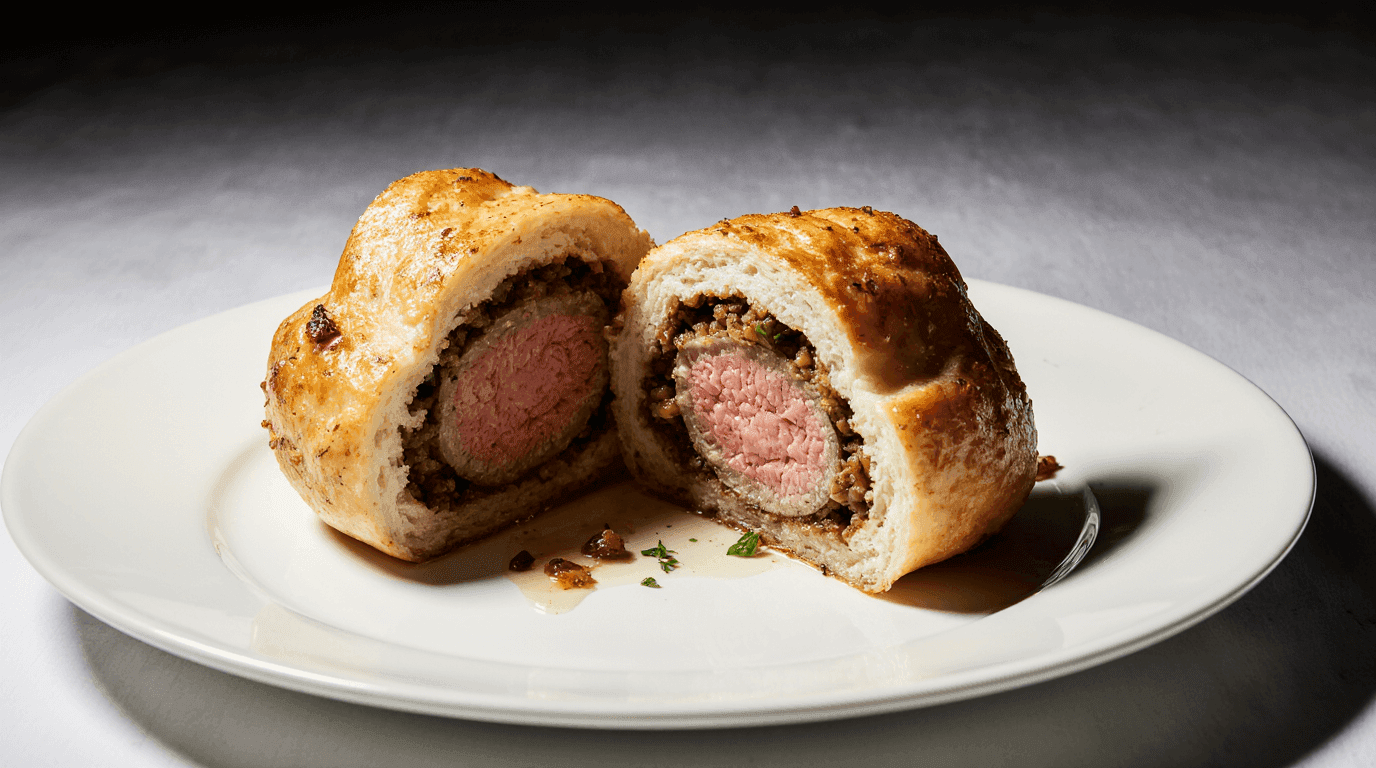
How to Make Gordon Ramsay’s Iconic Beef Wellington
here’s something magical about presenting a stunning centerpiece at your dinner table. The moment you slice into that golden pastry to reveal perfectly cooked beef inside creates a memory that lasts. This classic dish carries the weight of history and the thrill of culinary excellence.
Originating in the 1800s to honor the Duke of Wellington, this preparation has evolved into a modern masterpiece. Chef Ramsay’s version elevates the traditional formula with a clever twist. Using Parma ham instead of pâté adds a savory depth that complements the tender beef beautifully.
While it might seem like a restaurant-only creation, you can absolutely achieve this at home. With proper planning and quality ingredients, you’ll create something extraordinary. The entire process takes about 2 hours and 30 minutes and generously serves six people.
This guide walks you through each step with clarity and confidence. You’ll learn the techniques that make this recipe so special. Get ready to impress your guests with a dish that looks and tastes incredible.
Introduction to Gordon Ramsay’s Iconic Beef Wellington
This culinary masterpiece stands apart from other recipes with its perfect balance of flavors and textures. The combination creates an unforgettable dining experience that feels both classic and contemporary.
What Makes This Dish Special
Chef Ramsay’s approach transforms traditional preparation methods. Using Parma ham instead of pâté adds a savory saltiness that complements the beef beautifully.
The mushroom duxelles provides an earthy depth. Wrapped in crisp puff pastry, every element works in harmony. This creates a complete sensory experience from first sight to final bite.
Visual presentation makes this dish extraordinary. The golden-brown crust gives way to perfectly cooked beef. It’s a true test of culinary skill that rewards careful execution.
A Brief History of Beef Wellington
This classic food preparation dates back to 19th-century England. It was created to honor the Duke of Wellington after his victory at Waterloo.
Victorian-era versions used different ingredients and techniques. The modern interpretation has evolved significantly while maintaining its elegant spirit.
Popularity peaked decades ago but has seen a strong resurgence. Today’s versions balance tradition with contemporary tastes and methods.
| 19th Century | Traditional pâté wrapping | Heavier, richer preparation |
| Mid-20th Century | Peak popularity | Restaurant staple |
| Modern Era | Parma ham substitution | Lighter, more balanced flavors |
The beef wellington recipe continues to evolve while honoring its origins. Each generation adds its own touch to this timeless classic.
Essential Ingredients and Equipment
Gathering the right components transforms this challenging dish into an achievable triumph. Quality matters more than quantity when selecting your materials. Each element plays a crucial role in the final result.
Quality Beef Selection
Choose a 2-3 pound center-cut beef tenderloin for best results. Avoid supermarket steak cuts that may lack uniformity. Visit a trusted butcher who can provide the proper thickness and trim.
Your beef should be evenly shaped with minimal connective tissue. This ensures consistent cooking throughout. The quality of your main protein directly affects the final taste.
Mushroom Duxelles Components
Chestnut mushrooms work beautifully for the duxelles mixture. Their earthy flavor complements the beef perfectly. You can also experiment with wild mushroom varieties for depth.
Combine them with fresh thyme, butter, and dry white wine. This creates a rich, concentrated paste. The duxelles adds moisture and flavor between the pastry and protein.
Pastry and Wrapping Materials
High-quality puff pastry forms the golden exterior. Thaw it properly according to package instructions. The pastry should be pliable but still cold when working.
Use twelve slices of prosciutto as a moisture barrier. This replaces traditional pâté in modern versions. The combination creates the signature layers of texture.
An egg wash made from yolks and water gives the pastry its shine. This simple mixture promotes beautiful browning. It’s the final touch before baking.
Required Kitchen Tools
Essential equipment makes the process smoother. You’ll need a large pan for searing and a food processor for the duxelles. A rolling pin helps with pastry preparation.
Plastic wrap is crucial for shaping and chilling the assembly. Use it to create tight, even rolls. A meat thermometer ensures perfect doneness without guesswork.
Basic tools like baking sheets and roasting trays complete your setup. Having everything ready before starting prevents mid-process scrambling. Organization is key to success.
Preparing the Beef Tenderloin
Proper preparation of your main protein sets the foundation for an exceptional final result. This stage requires attention to detail and careful technique. Each step builds toward that perfect combination of flavors and textures.
Selecting and Trimming the Beef
Choose a well-trimmed center-cut tenderloin for consistent results. Remove any silver skin or excess fat with a sharp knife. This ensures even cooking throughout the entire piece.
Generous seasoning with salt and pepper enhances the natural flavor. Apply it evenly on all surfaces before cooking. Quality seasoning makes a significant difference in the final taste.
Proper Searing Technique
Heat two tablespoons of oil in a large pan over high heat. Wait until the oil shimmers before adding your protein. This creates the ideal surface for browning.
Place the beef in the hot pan and sear for 2-3 minutes per side. Do not move it during this process. This develops a beautiful crust that locks in juices.
Remove from the pan and let it cool completely. The resting period prepares it for the next step. Proper temperature management prevents overcooking.
Applying the Mustard Glaze
Brush all sides with yellow mustard once cooled. Coleman’s Original English works perfectly for this application. The tangy flavor complements the rich beef beautifully.
This glaze adds moisture and helps with retention during baking. It also creates a flavor barrier between the meat and pastry. The result is a more balanced final product.
For medium-rare results, roast at 392°F for 15 minutes. Then chill for 20 minutes before assembly. This chilling process helps the beef hold its shape during wrapping.
- Select a uniform center-cut tenderloin and trim thoroughly.
- Season generously with salt and pepper before cooking
- Sear over high heat for 2-3 minutes per side without moving.
- Let cool completely before applying mustard glaze.
- Use quality English mustard for optimal flavor enhancement.
- Chill after initial roasting to maintain shape during assembly.
Creating the Perfect Mushroom Duxelles
The mushroom duxelles forms the flavorful heart of this classic preparation. This rich paste creates a moisture barrier between the pastry and protein. Proper technique here ensures your final result stays crisp and delicious.
Choosing and Preparing Mushrooms
Select fresh cremini or shiitake varieties for optimal flavor. These mushrooms offer earthy depth that complements the beef beautifully. Avoid pre-sliced options as they often contain excess moisture.
Clean them gently with a damp cloth instead of washing. This prevents water absorption that could affect texture. Remove any tough stems before processing.
Use your food processor with the pulse function for perfect texture. Achieve a coarse breadcrumb consistency without over-processing. This creates the ideal base for your mixture.
Cooking and Reducing the Mixture
Heat two tablespoons of oil and butter in a large pan. Add your chopped mushrooms and fresh thyme sprig. Cook over medium heat for about ten minutes while stirring often.
Season generously with salt and pepper during cooking. Pour in dry white wine after the initial cooking time. Continue cooking until the liquid fully absorbs into the mixture.
The proper consistency holds its shape when stirred. This indicates sufficient moisture removal. Proper reduction prevents soggy pastry in your final dish.
| Cremini | Earthy and mild | Fine chop with food processor |
| Shiitake | Rich and smoky | Remove stems before processing |
| Button | Subtle and versatile | Thorough moisture removal |
Cooling and Handling Tips
Remove the thyme sprig after cooking is complete. Spread the mixture on a plate to cool completely. This step is crucial for proper handling during assembly.
You can prepare duxelles up to two days in advance. Store it in an airtight container in the refrigerator. Bring it to room temperature before using for best results.
Make sure the mixture is completely cool before wrapping. Warm duxelles could affect pastry texture. Proper temperature management ensures perfect layers in every bite.
Assembling Your Beef Wellington
Mastering the assembly process transforms individual components into a cohesive masterpiece. This stage requires precision and patience to achieve that perfect final presentation. Each step builds upon the previous one to create a harmonious balance.
Layering Prosciutto and Duxelles
Begin by overlapping two pieces of plastic wrap on a large cutting board. Arrange prosciutto slices in a double row with slight overlapping. This creates a complete layer that will wrap around your fillet.
Spread half of the mushroom mixture evenly over the prosciutto. Place your prepared fillet on top of this layer. Cover the exposed surface with the remaining mushroom mixture.
Use the plastic wrap to carefully wrap the prosciutto around the fillet. Roll everything into a tight sausage shape. Twist the ends of the wrap to compress the contents securely.
Wrapping the Beef Fillet
Chill the wrapped package while you prepare the puff pastry. This resting time helps the layers set properly. The chilling process prevents the moisture from affecting the pastry.
Roll your puff pastry to a 7×12 inch rectangle on a baking sheet. The even thickness ensures consistent baking. Keep the pastry cold throughout this process.
Enclosing in Puff Pastry
Unwrap the fillet and place it in the center of your prepared puff pastry. Brush the edges with your prepared egg wash. This creates a seal that keeps everything contained during baking.
Drape the larger pastry piece over the entire assembly. Press firmly along the sides to eliminate air pockets. The tight seal prevents moisture from escaping during cooking.
Egg Wash and Decorative Scoring
Trim the edges to create a neat 1.5-inch border. Use a fork to crimp and seal the edges completely. This decorative touch also ensures no leaks during baking.
Apply a final coat of pastry egg wash over the entire surface. Use a sharp knife to create diagonal patterns without cutting through. The scoring allows steam to escape while creating visual appeal.
Chill your completed assembly for at least 30 minutes. You can refrigerate it for up to 24 hours before baking. This final resting period ensures the best possible results.
Cooking and Serving Techniques
Perfect execution during the final stage brings your creation to life. Proper temperature control and timing ensure that a beautiful golden crust and perfectly cooked interior. These techniques separate good results from exceptional ones.
Optimal Oven Temperature and Timing
Preheat your oven to 392°F for consistent results. This temperature creates the ideal environment for cooking. Place your prepared dish on a baking sheet lined with parchment paper.
Apply a final pastry egg wash before baking. This gives the exterior its signature golden color. Bake for 20-25 minutes for medium-rare doneness.
For medium results, extend the time to 30 minutes. The exact timing may vary slightly between ovens. Watch for that perfect golden-brown color on all sides.
Testing for Doneness
Use an instant-read meat thermometer for accuracy. Insert it through the pastry into the center of the beef tenderloin. Check from multiple angles to ensure even cooking.
Remove from the oven at 125-130°F for medium-rare. The temperature will rise during resting. This step prevents overcooking your masterpiece.
Different thermometers may give slightly varied readings. Test in at least two locations for consistency. Proper testing ensures perfect results every time.
| Medium-Rare | 125-130°F | 20-25 minutes |
| Medium | 135-140°F | 30 minutes |
| Well-Done | 150°F+ | 35+ minutes |
Resting and Slicing Methods
Let your creation rest for at least 10 minutes before slicing. This allows juices to redistribute throughout the meat. The waiting period improves both texture and flavor.
Use a sharp serrated knife for clean cuts. Slice into 1-inch thick portions for serving. This thickness showcases the beautiful layers inside.
Wipe the knife between slices for neat presentation. The contrast between pastry, duxelles, and beef creates visual appeal. Each slice should hold its shape on the plate.
Presentation and Garnishing
Serve on warmed plates to maintain temperature. A simple garnish of fresh herbs adds color and freshness. Consider seasonal vegetables as complementary sides.
Leftovers store well in the refrigerator for up to two days. Reheat in a 350°F oven wrapped in foil. Remove the foil for the last few minutes to crisp the pastry.
Reheated slices will be more well-done than freshly cooked. Plan accordingly if you prefer specific doneness levels. The flavors still remain delicious when properly reheated.
- Always preheat your oven for consistent cooking results.
- Use a meat thermometer to achieve perfect doneness.
- Allow proper resting time for juice redistribution.
- Slice with a sharp knife for a clean presentation
- Store leftovers properly and reheat with care.
- Complement with simple sides that enhance the main dish.
Conclusion
Creating this impressive dish becomes manageable with smart preparation. Quality ingredients form the foundation of success. Your choice of beef tenderloin and fresh mushrooms makes a noticeable difference.
Ready-made puff pastry saves valuable time while delivering excellent results. Prepare components like the duxelles up to two days ahead. Chill them properly using plastic wrap to maintain shape.
Avoid assembling the complete beef wellington too early. This prevents the pastry from becoming soggy. Follow each recipe step carefully for that perfect golden crust.
Your finished creation will emerge from the oven looking spectacular. Transfer it to a warmed serving sheet for presentation. The techniques from Gordon Ramsay truly elevate this classic dish.
FAQ
What cut of beef is best for this recipe?
A center-cut beef tenderloin, also known as filet mignon, is ideal. Its uniform shape and tenderness ensure even cooking inside the pastry.
Why is it crucial to remove all moisture from the mushroom duxelles?
Excess moisture will steam the puff pastry from the inside, making it soggy instead of crisp and flaky. Cooking the mixture until it’s a dry paste is a vital step.
Can I prepare any components ahead of time?
A> Yes, you can sear the beef and prepare the mushroom duxelles a day in advance. Keep them refrigerated separately. Assemble the entire dish just before baking for the best results.
How do I prevent the pastry from getting soggy on the bottom?
A> Ensure your duxelles are completely dry and cool. Also, a layer of prosciutto and crepes (if used) acts as a protective barrier between the beef’s juices and the pastry.
What is the purpose of the egg wash?
A> Brushing the wrapped pastry with a beaten egg gives the finished Beef Wellington its signature golden-brown, glossy, and professional appearance.
How long should the beef rest after cooking?
A> Let it rest for at least 10 minutes after removing it from the oven. This allows the juices to redistribute throughout the meat, ensuring a moist and flavorful result when you slice it.