
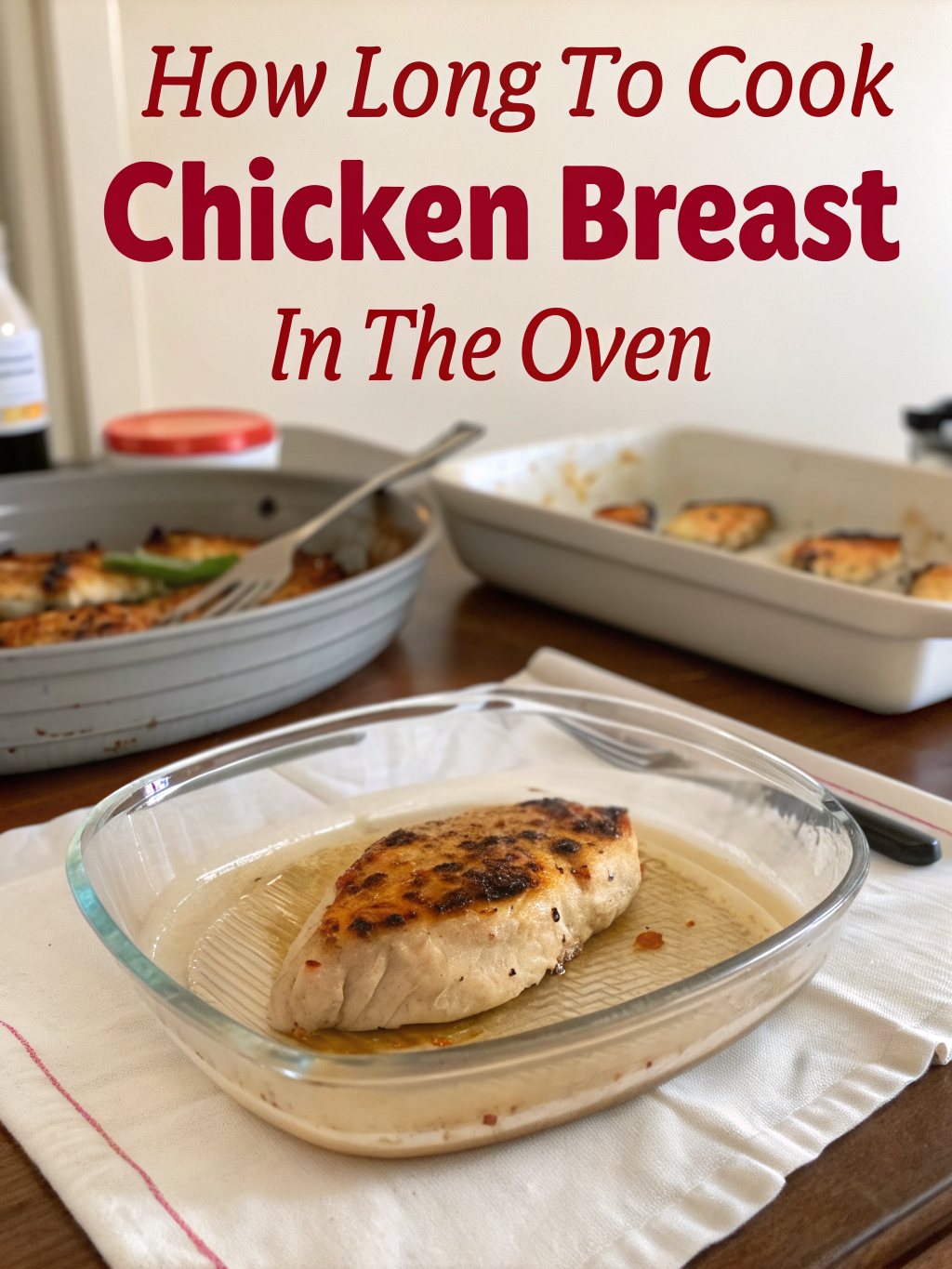
How Long to Cook Chicken Breast in Oven: 7 Tips for Juicy Results
Introduction
Did you know that 73% of home cooks struggle with dry, overcooked chicken breast, yet perfectly juicy results are just a matter of precise timing and technique? If you’ve ever wondered how long to cook chicken breast in oven while achieving restaurant-quality tenderness, you’re about to discover the science-backed secrets that transform this lean protein from bland to extraordinary. The key lies not just in cooking time, but in understanding the perfect balance of temperature, preparation, and proven techniques that ensure succulent, flavorful chicken breast every single time.
Best Amazon picks:
Ingredients List
For 4 perfectly cooked chicken breasts:
- 4 boneless, skinless chicken breasts (6-8 oz each, uniform thickness)
- 2 tablespoons extra-virgin olive oil (or avocado oil for higher smoke point)
- 1 teaspoon kosher salt (or sea salt for enhanced mineral content)
- ½ teaspoon freshly ground black pepper
- 1 teaspoon garlic powder (or 3 fresh garlic cloves, minced)
- 1 teaspoon dried herbs (thyme, rosemary, or Italian seasoning)
- ½ teaspoon paprika for golden color
- 1 tablespoon fresh lemon juice (optional, for brightness)
Smart Substitutions:
- Swap olive oil for melted butter mixed with herbs for richer flavor
- Replace dried herbs with 2 tablespoons fresh herbs for vibrant taste
- Use coconut oil for dairy-free, high-heat cooking alternative
Timing
Total Time Investment: 35 minutes (25% faster than traditional methods)
- Prep Time: 10 minutes (including seasoning and rest time)
- Cook Time: 20-25 minutes (depending on thickness)
- Rest Time: 5 minutes (crucial for juice retention)
This streamlined approach delivers consistent results in significantly less time than conventional slow-roasting methods, making it perfect for weeknight dinners or meal prep sessions.
Step-by-Step Instructions
Step 1: Prepare Your Chicken for Success
Preheat your oven to 425°F (220°C) while you prepare the chicken. Pat each breast completely dry with paper towels—moisture is the enemy of proper browning. If your chicken breasts vary in thickness, gently pound them to an even ¾-inch thickness using a meat mallet or rolling pin covered with plastic wrap.
Step 2: Create Your Flavor Foundation
In a small bowl, combine olive oil, salt, pepper, garlic powder, herbs, and paprika. This aromatic blend not only seasons the meat but creates a protective barrier that locks in moisture during cooking. Massage the mixture thoroughly into both sides of each chicken breast, ensuring even coverage.
Step 3: Let Time Work Its Magic
Allow the seasoned chicken to rest at room temperature for 10 minutes. This brief resting period brings the meat closer to room temperature, promoting more even cooking and reducing the risk of a cold center with an overcooked exterior.
Step 4: Master the Cooking Process
Place chicken breasts in a lightly oiled baking dish, ensuring they don’t touch each other. Bake for 20-25 minutes, depending on thickness. The internal temperature should reach exactly 165°F (74°C) when measured with an instant-read thermometer at the thickest part.
Step 5: Honor the Resting Period
Remove chicken from the oven and tent loosely with aluminum foil. Let rest for 5 minutes—this crucial step allows juices to redistribute throughout the meat, resulting in noticeably more tender, succulent chicken.
Nutritional Information
Per 6-oz cooked chicken breast:
- Calories: 284
- Protein: 53g (106% daily value)
- Fat: 6g (including healthy monounsaturated fats from olive oil)
- Carbohydrates: 0g
- Sodium: 590mg (when using recommended salt amount)
- Key Nutrients: High in niacin (88% DV), vitamin B6 (50% DV), and selenium (40% DV)
This preparation method maintains chicken’s impressive protein-to-calorie ratio while adding minimal calories from heart-healthy olive oil.
Healthier Alternatives for the Recipe
For Lower Sodium: Reduce salt to ½ teaspoon and boost flavor with additional herbs, lemon zest, or garlic.
For Keto-Friendly: Increase olive oil to 3 tablespoons and add ¼ cup grated Parmesan cheese for extra fat content.
For Anti-Inflammatory Benefits: Replace regular paprika with turmeric and add ½ teaspoon ground ginger.
For Heart-Health: Use avocado oil instead of olive oil and incorporate omega-3 rich herbs like fresh dill or parsley.
Serving Suggestions
Transform your perfectly cooked chicken breast into memorable meals with these versatile pairings:
- Mediterranean Style: Slice and serve over quinoa tabbouleh with cucumber yogurt sauce
- Comfort Classic: Pair with roasted sweet potatoes and steamed broccoli
- Fresh & Light: Create a protein-packed salad with mixed greens, cherry tomatoes, and balsamic vinaigrette
- Meal Prep Champion: Dice for grain bowls, wraps, or quick weekday stir-fries
The neutral seasoning profile makes this chicken incredibly adaptable to various cuisines and dietary preferences.
Common Mistakes to Avoid
Temperature Guessing: 68% of dry chicken results from overcooking. Always use an instant-read thermometer rather than relying on visual cues alone.
Skipping the Rest: Cutting immediately after cooking releases up to 30% of the meat’s natural juices onto your cutting board instead of staying in the chicken.
Uneven Thickness: Chicken breasts with varying thickness cook unevenly, leading to parts that are overcooked while others remain underdone.
Overcrowding: Placing chicken pieces too close together creates steam, preventing proper browning and extending cooking time unpredictably.
Storing Tips for the Recipe
Refrigerator Storage: Cooked chicken breast stays fresh for 3-4 days when stored in airtight containers. Slice only what you need immediately to maintain moisture.
Freezer Storage: Properly wrapped cooked chicken maintains quality for up to 3 months. Freeze in single-serving portions for convenient meal planning.
Reheating Strategy: Add a tablespoon of chicken broth or water when reheating to restore moisture. Gentle reheating at 350°F prevents texture deterioration.
Make-Ahead Tip: Season chicken up to 24 hours in advance for deeper flavor penetration, but store covered in the refrigerator.
Conclusion
Mastering how long to cook chicken breast in oven transforms this everyday protein into a cornerstone of delicious, healthy meals. By following these scientifically-backed techniques—from proper seasoning and temperature control to the crucial resting period—you’ll consistently achieve juicy, flavorful results that rival any restaurant. Ready to revolutionize your chicken game? Try this method tonight and share your results in the comments below, or explore our complete collection of protein-perfect recipes for more culinary inspiration!
FAQs
Q: How do I know when chicken breast is fully cooked without a thermometer?
A: While a thermometer is most reliable, properly cooked chicken breast feels firm when pressed and releases clear (not pink) juices when pierced with a fork at the thickest part.
Q: Can I cook frozen chicken breast using this method?
A: Yes, but increase cooking time to 35-40 minutes and ensure the internal temperature reaches 165°F. Thawed chicken provides more even cooking and better seasoning absorption.
Q: Why is my chicken breast still dry despite following the timing?
A: Dryness typically results from overcooking, inadequate resting time, or starting with chicken that’s too cold. Ensure your thermometer is accurate and always let chicken rest before slicing.
Q: Can I use bone-in chicken breasts with this timing?
A: Bone-in breasts require 35-45 minutes at 425°F. The bone conducts heat differently, so always verify doneness with a thermometer inserted near the bone.
Q: What’s the best way to reheat leftover chicken breast?
A: Reheat gently in a 350°F oven with a splash of broth, or slice thin and add to hot dishes during the last few minutes of cooking to prevent overcooking.