
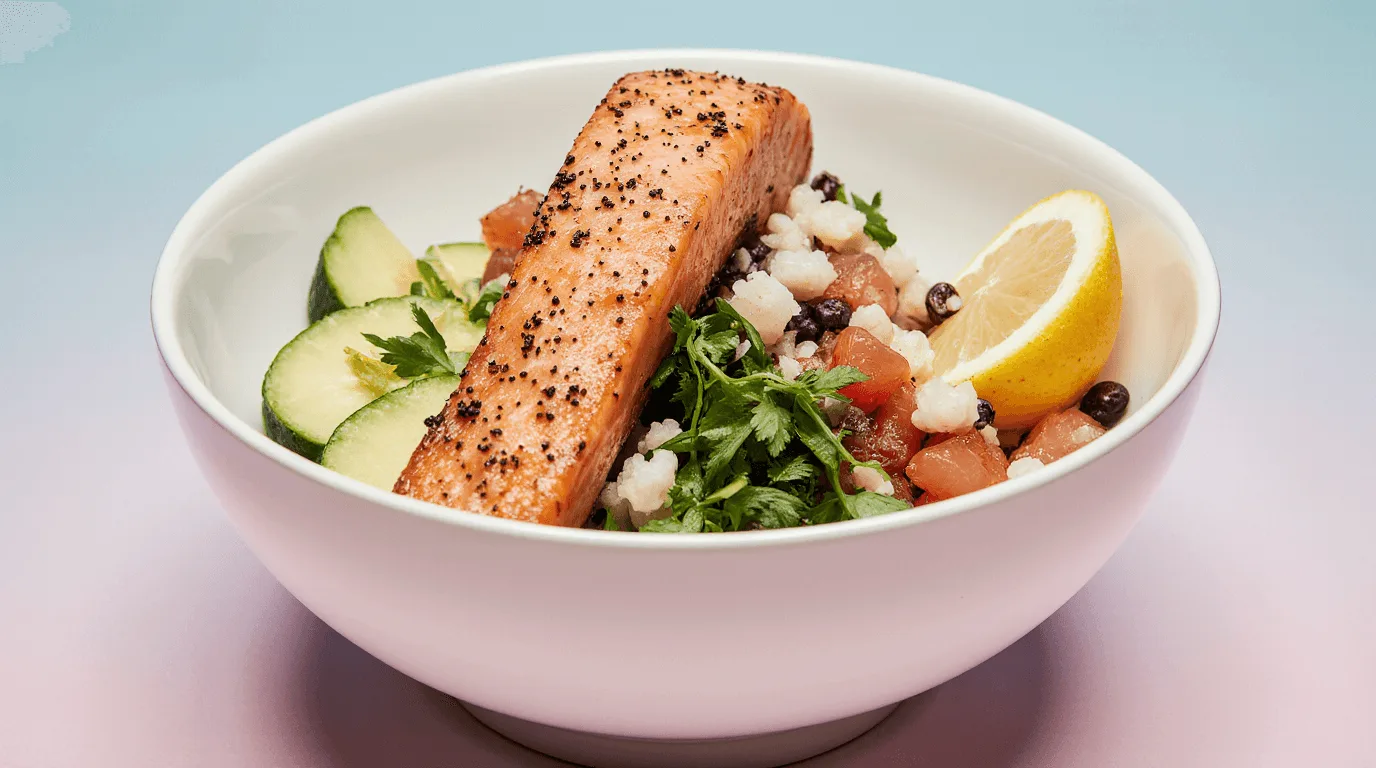
Create Your Own Perfect Salmon Poke Bowl
Remember that first time you tried a poke bowl? The vibrant colors, the fresh aroma, the perfect bite that made you close your eyes and just savor the moment. It’s more than just a meal; it’s an experience that feels both nourishing and exciting.

That incredible feeling doesn’t have to be reserved for restaurant visits. You can bring that magic right into your kitchen. This guide is your friendly companion on a journey to mastering this beloved dish.
We’ll walk through every detail together. From picking the best fish to balancing flavors like a pro, you’ll gain the confidence to make something truly special. Get ready to craft a healthy, beautiful meal that will become a new favorite.
Key Takeaways
- Learn how to select the freshest salmon for your dish.
- Discover the secrets to a flavorful, well-balanced marinade.
- Understand how to build your bowl with complementary textures.
- Gain techniques for preparing restaurant-quality food at home.
- Feel empowered to customize your meal to your exact taste.
- Create a satisfying, healthy dish perfect for any day.
Introduction to Salmon Poke Bowls
Have you ever wondered about the story behind those colorful bowls of fresh fish and rice? These vibrant dishes have a rich history that makes them even more special to enjoy. Let’s explore what makes them so unique and beloved.

What Exactly is a Poke Bowl?
The word “poke” means “to slice” in Hawaiian. It describes how the fish is prepared. Traditional poke features raw seafood cut into bite-sized pieces.
These chunks are typically marinated and served over rice. Fresh toppings add crunch and color. The result is a balanced meal that’s both nutritious and delicious.
The Hawaiian Origins of This Delicious Dish
Poke began in Hawaii as a simple fisherman’s snack. Early versions used whatever fresh catch was available. Hawaiian fishermen would season their catch with sea salt and seaweed.
Japanese immigrants brought new influences like soy sauce and sesame oil. This created the flavor profile we know today. The dish represents Hawaii’s beautiful cultural blending.
| Traditional Ingredients | Modern Variations |
|---|---|
| Fresh-caught tuna | Salmon and other fish |
| Hawaiian sea salt | Soy sauce and sesame oil |
| Local seaweed | Avocado and mango |
| Simple seasonings | Spicy mayo and sauces |
Why Salmon Makes an Excellent Poke Choice
Salmon brings a buttery texture that melts in your mouth. Its rich flavor stands up well to marinades. The firm flesh holds its shape when cubed.
This fish is packed with nutritional benefits too. It contains high-quality protein and omega-3 fatty acids. These support heart health and brain function.
Salmon’s versatility lets you experiment with different flavors. It pairs wonderfully with both Asian and tropical ingredients. You can find many creative recipes using this fantastic seafood.
Making poke at home allows for endless customization. You control the freshness and quality of every component. It’s easier than you might think to prepare restaurant-quality bowls in your own kitchen.
Essential Ingredients for Your Perfect Poke Bowl
Gathering the right components transforms a simple meal into something extraordinary. Each element plays a vital role in building a harmonious dish.
Quality matters here. Fresh, vibrant ingredients make all the difference in taste and appearance. Let’s explore what you’ll need.

The Star Ingredient: Selecting Sushi-Grade Salmon
Your fish choice is the most important decision. Always look for sushi-grade salmon at reputable fish markets.
This designation means it was frozen to kill parasites, making it safe to eat raw. Wild Alaskan varieties offer excellent quality with a tender texture.
Farm-raised options provide a richer mouth-feel. Both work wonderfully depending on your preference.
Base Options: Rice and Alternative Foundations
Your foundation holds everything together. Traditional sushi rice offers a sticky texture that complements the fish perfectly.
Brown rice adds nutty flavor and extra fiber. Quinoa serves as a protein-packed alternative for those seeking variety.
Even salad greens can form a refreshing low-carb base. The choice depends on your dietary needs and taste preferences.
| Traditional Bases | Modern Alternatives |
|---|---|
| Sushi rice | Quinoa |
| White rice | Brown rice |
| Mixed greens | |
| Zucchini noodles |
Flavor Builders: Sauces and Marinades
The sauce brings everything to life. A classic combination includes soy sauce, rice vinegar, and sesame oil.
These elements create that signature umami-rich flavor profile. A touch of sriracha adds pleasant heat.
Green onions and sesame seeds provide extra depth. Balance is key between salty, sweet, and acidic notes.
Texture and Color: Fresh Toppings and Garnishes
Toppings add excitement to every bite. Creamy avocado contrasts with crunchy cucumber beautifully.
Edamame offers protein and pleasant pop. Seaweed salad brings authentic oceanic notes.
Sesame seeds provide subtle crunch. Pickled ginger cleanses the palate between bites.
Colorful vegetables like shredded carrots and radishes make your bowl visually stunning. Each component should contribute to both texture and appearance.
How to Create Your Own Perfect Salmon Poke Bowl
The magic of a great poke bowl lies in its beautiful simplicity and endless possibilities. You’ll find the process surprisingly straightforward once you understand the basic flow. This approach lets you focus on enjoying the creative journey rather than worrying about complicated techniques.
Understanding the Step-by-Step Process
Building your ideal meal follows a logical sequence that ensures perfect results. Start by preparing your base, whether it’s rice, quinoa, or greens. This gives it time to cool properly before assembly.
While your base cools, marinate the fish. The marinating time is relatively short – usually 15-30 minutes. This allows flavors to penetrate without cooking the delicate fish.
Prepare your toppings during this waiting period. Chop vegetables, slice avocado, and measure out garnishes. Having everything ready makes final assembly quick and enjoyable.
The actual construction takes mere minutes once components are prepared. This timing ensures everything stays fresh and maintains ideal textures. You’ll appreciate how efficiently everything comes together.
Why Customization is Key to Your Perfect Bowl
Personalization transforms a standard recipe into something uniquely yours. You control every element from protein choices to sauce intensity. This freedom lets you accommodate different dietary needs within one meal.
Experiment with various ingredient combinations to discover what you love most. Try different vegetable textures, sauce variations, and grain alternatives. Each modification creates a completely new eating experience.
The modular nature means you can prepare components in advance. This makes poke bowls perfect for busy schedules or entertaining guests. Everyone can build their perfect combination from the same set of ingredients.
Nutritional balance becomes effortless when you control all components. Adjust protein levels, carbohydrate types, and healthy fats to match your goals. This approach supports both taste preferences and wellness objectives beautifully.
Selecting and Preparing Your Salmon
Getting your main ingredient right makes all the difference in your final dish. Proper handling ensures both safety and exceptional flavor.
Working with raw fish requires some special knowledge. These techniques help you achieve professional results at home.
Identifying True Sushi-Grade Salmon
Always look for the “sushi-grade” or “sashimi-grade” label when selecting your fish. This designation means it underwent special freezing to eliminate parasites.
Reputable fish markets and quality grocery stores carry this product. Trustworthy suppliers follow strict handling protocols for raw consumption.
Visual cues include vibrant color and firm texture. The flesh should spring back when pressed gently. Avoid any fish with dull appearance or strong odor.
Proper Thawing Techniques for Frozen Salmon
Plan ahead by thawing overnight in your refrigerator. Place frozen fish on a paper towel-lined sheet pan. This method preserves texture and prevents moisture buildup.
For quicker thawing, submerge the sealed package in cold water. Change the water every thirty minutes. This process typically takes two to three hours.
Never thaw at room temperature or using warm water. These methods can encourage bacterial growth. Your fish should remain chilled throughout the process.
| Thawing Method | Time Required | Best For |
|---|---|---|
| Refrigerator Thawing | 8-12 hours | Planning ahead |
| Cold Water Thawing | 2-3 hours | Same-day preparation |
Cutting Techniques for Perfect Bite-Sized Pieces
Use a sharp knife to cut against the grain into half-inch cubes. This technique creates tender pieces that absorb marinade beautifully.
Keep your salmon refrigerated until cutting time. Chilled fish slices more cleanly and holds its shape better. Remove any skin or bones before cubing.
Clean your workspace thoroughly before and after handling raw fish. This prevents cross-contamination with other foods. Always wash tools and surfaces with hot soapy water.
Properly prepared pieces should be uniform in size. This ensures even marinating and consistent texture. Your finished dish will have that professional quality you love.
Crafting the Perfect Poke Marinade
The marinade transforms simple ingredients into something extraordinary. It’s where the magic really happens in your dish.
This liquid mixture does more than just add taste. It works with the fish to create depth and complexity. Understanding how it functions makes all the difference.
Essential Marinade Components
A classic blend starts with soy sauce for that rich umami base. This ingredient slightly cures the fish surface while adding depth.
Sesame oil brings nutty richness that complements the seafood perfectly. Rice vinegar adds brightness and helps tenderize the protein gently.
Sweet elements like honey balance the salty notes beautifully. Aromatics such as garlic and ginger provide wonderful complexity.
For heat, many enjoy adding sriracha or red pepper flakes. This sauce gains its distinctive kick from fermented chili peppers.
Balancing Umami, Sweet, and Acidic Notes
Great marinades achieve harmony between different taste elements. The goal is no single flavor overpowering the others.
Umami from soy sauce forms the foundation of your mixture. Sweet components provide pleasant contrast to the saltiness.
Acidic ingredients like vinegar brighten the overall profile. They help cut through the richness of the fish and oil.
Spicy elements should enhance rather than dominate. Adjust amounts gradually until you find your ideal balance.
Marinating Time and Techniques
Timing matters greatly when working with raw fish. Most recipes recommend about 15-20 minutes for optimal results.
This period allows flavors to develop fully. The fish absorbs the marinade without becoming mushy.
Gently mix the cubed seafood with your liquid mixture. Use a folding motion to coat evenly without breaking pieces.
Avoid over-marinating as it can affect texture negatively. The acid in vinegar begins to “cook” the protein if left too long.
Always keep everything refrigerated during this process. Food safety remains important when working with raw ingredients.
Preparing Complementary Components
The supporting elements in your dish work together like a well-rehearsed orchestra. Each component brings its unique voice to create a harmonious final experience. Let’s explore how to prepare these essential pieces.
Quick-Pickled Cucumbers and Vegetables
Transform ordinary vegetables into tangy delights in just ten minutes. The magic happens when you submerge them in a simple vinegar-sugar brine.
Use Persian or English varieties for their crisp texture and small seeds. These types maintain their crunch beautifully during the quick pickling process.
Your pickled creations can stay fresh in the refrigerator for up to five days. This makes them perfect for advance preparation. The bright acidity cuts through the richness of other ingredients.
Cooking the Perfect Rice Base
Your foundation sets the stage for everything that follows. Traditional sushi rice offers that authentic sticky texture we all love.
Season it lightly with rice vinegar, sugar, and salt after cooking. This combination creates the classic flavor profile found in traditional preparations.
Let your rice cool slightly before assembling your meal. This prevents warming the delicate raw fish. The slight warmth helps other components meld together perfectly.
Brown rice provides a nutty alternative with extra fiber. Quinoa works wonderfully for those seeking protein-packed options. Each grain brings its unique character to the final dish.
| Rice Type | Preparation Time | Texture Profile | Best Pairings |
|---|---|---|---|
| Sushi Rice | 20 minutes | Sticky, slightly sweet | Classic poke combinations |
| Brown Rice | 40 minutes | Chewy, nutty | Hearty vegetable toppings |
| Quinoa | 15 minutes | Light, fluffy | Modern fusion variations |
Preparing Additional Toppings and Garnishes
The final touches elevate your creation from good to extraordinary. Think about texture contrasts when selecting your components.
Creamy avocado slices balance crunchy elements beautifully. Shelled edamame adds protein and pleasant pop. Seaweed salad brings authentic oceanic notes to your composition.
Fresh ginger provides zesty brightness that cleanses the palate. Toasted sesame seeds contribute subtle nuttiness and visual appeal. Each element should complement rather than compete with others.
Time your preparation so everything comes together simultaneously. Many components can be made ahead to streamline assembly. This planning ensures each ingredient maintains its ideal texture and temperature.
Creating Flavorful Sauce Options
The right sauce can transform your dish from good to unforgettable. It brings all the components together in perfect harmony. These liquid gold recipes add that final touch of magic to your meal.
You’ll discover how simple ingredients create complex tastes. Each variation offers unique characteristics that complement different ingredients. Let’s explore how to craft these essential flavor enhancers.
Classic Sriracha Mayo Preparation
This creamy, spicy condiment has become a modern staple. It balances rich mayonnaise with fiery sriracha sauce beautifully.
Start with quality mayonnaise as your base. Add sriracha gradually while tasting along the way. The goal is a pleasant heat that doesn’t overwhelm.
For lighter versions, substitute plain Greek yogurt. This alternative reduces calories while maintaining creaminess. The tangy yogurt complements the spicy notes wonderfully.
Whisk ingredients until completely smooth and well-combined. Proper emulsification ensures consistent texture throughout. Your sauce should coat the back of a spoon nicely.
Alternative Sauce Variations
Beyond the classic, numerous exciting options await exploration. Ponzu offers bright, citrusy notes that refresh the palate.
This Japanese staple combines soy sauce with tangy citrus juice. The result is a light, versatile dressing that enhances without overpowering.
Wasabi aioli brings bold, nasal-clearing heat to your dish. Mix mayonnaise with wasabi paste for that signature punch. Adjust the amount based on your heat preference.
Yogurt-based versions provide lighter alternatives to traditional recipes. They offer similar creaminess with fewer calories and more protein.
Drizzling Techniques for Maximum Flavor
How you apply your sauce affects the overall eating experience. The right technique ensures even distribution throughout the bowl.
Use a squeeze bottle for precise, artistic patterns. This method lets you control thickness and placement perfectly. Zigzag patterns work particularly well for coverage.
Thinner sauces benefit from a simple spoon drizzle. Hold the spoon high above the bowl for wider dispersion. This technique creates delicate, even coverage.
Always mix gently before eating to distribute flavors evenly. This ensures every bite contains the perfect balance of components. The sauce should enhance rather than mask other ingredients.
Consider making sauces ahead for better flavor development. Most improve after resting for several hours. Store them in airtight containers in the refrigerator.
Step-by-Step Assembly Guide
The moment has arrived to bring all your prepared components together into a beautiful, functional meal. This assembly process combines artistry with practicality to create something truly special. You’ll discover how professional chefs build dishes that look stunning while maintaining perfect eating quality.
Building Your Bowl Foundation
Begin with a sturdy base that supports all other elements. Your rice or greens should form an even layer at the bottom. This foundation provides structural integrity for everything you’ll add later.
For rice bases, aim for about one cup per serving. Spread it evenly across the bottom of your bowl. Gently press it down to create a stable platform.
Salad bases work best when slightly compressed. This prevents ingredients from sinking to the bottom. Your foundation sets the stage for a well-balanced eating experience.
Layering Ingredients for Visual Appeal
Strategic placement creates both beauty and functionality. Arrange your marinated salmon in the center as the focal point. This draws the eye immediately to your main protein.
Place colorful toppings like avocado and cucumber around the edges. Create distinct sections rather than mixing everything together. This approach maintains individual textures until mixing time.
Consider color theory when arranging your components. Contrast bright orange salmon with green edamame and white rice. These visual contrasts make your dish Instagram-worthy while ensuring flavor harmony.
Arranging Toppings for Balanced Bites
Every spoonful should contain multiple flavors and textures. Position crunchier items like cucumber away from softer ones. This prevents sogginess before you’re ready to mix.
Add delicate garnishes like sesame seeds just before serving. These final touches provide visual interest and fresh flavor. They maintain their texture best when added last.
Temperature management matters during assembly. Keep cold components chilled until the last moment. Room temperature items can be placed earlier in the process.
Traditional Hawaiian presentation focuses on simplicity and functionality. Modern restaurant styling emphasizes height and visual drama. Choose the approach that suits your personal style and practical needs.
Serving and Enjoying Your Creation
Now comes the best part – sharing and savoring what you’ve made. All your careful preparation leads to this delicious moment. The way you present and enjoy your dish makes the experience complete.
Timing and technique matter for maximum enjoyment. These simple tips ensure every bite tastes incredible. You’ll learn how professionals serve and enjoy their meals.
Optimal Serving Temperatures
Temperature affects both safety and taste. Your fish should stay chilled until serving time. This keeps it fresh and prevents spoilage.
Rice tastes best slightly warm or at room temperature. Cold rice becomes hard and loses its pleasant texture. Let it cool properly before building your meal.
Toppings like avocado and cucumber should be refrigerator-cold. They provide refreshing contrast to other components. Everything comes together at the perfect eating temperature.
| Component | Ideal Temperature | Reason |
|---|---|---|
| Marinated Salmon | Chilled (40°F) | Food safety and freshness |
| Rice Base | Room Temperature | Optimal texture and flavor |
| Vegetable Toppings | Refrigerator Cold | Crispness and refreshment |
| Sauces | Chilled or Room Temp | Flavor development |
Mixing Techniques for Flavor Distribution
Proper mixing ensures every spoonful contains balanced flavors. Use chopsticks or a large spoon for best results. Gently fold ingredients together without mashing them.
Start from the bottom and work upward. This incorporates the base with other components. The goal is even distribution without damaging delicate pieces.
Mix just before eating to maintain textures. Over-mixing can make everything mushy. You want to preserve those beautiful contrasts you worked so hard to create.
Beverage Pairing Suggestions
Drinks can enhance your dining experience significantly. Choose beverages that complement rather than compete with flavors. Iced green tea offers refreshing balance to rich ingredients.
Chilled white wine works wonderfully with the dish’s complexity. Look for crisp Sauvignon Blanc or Pinot Grigio. Their acidity cuts through the richness beautifully.
Sparkling citrus water provides non-alcoholic refreshment. The bubbles cleanse the palate between bites. Add lemon or lime slices for extra zing.
Traditional Hawaiian drinks like lilikoi juice offer authentic pairing options. Their tropical notes match the dish’s origins perfectly. Experiment to find your favorite combination.
Conclusion
You’ve just unlocked the secret to restaurant-quality meals right in your kitchen. From selecting premium fish to balancing flavors perfectly, you’ve gained valuable skills that extend beyond this single dish.
Making poke at home offers complete control over freshness and nutrition. You can create endlessly customizable meals that suit your exact preferences. This approach celebrates Hawaiian-Japanese culinary traditions while supporting your wellness goals.
Feel confident experimenting with new ingredient combinations. Your foundational knowledge empowers you to craft signature variations for any occasion. The journey of culinary exploration continues with each new creation.