
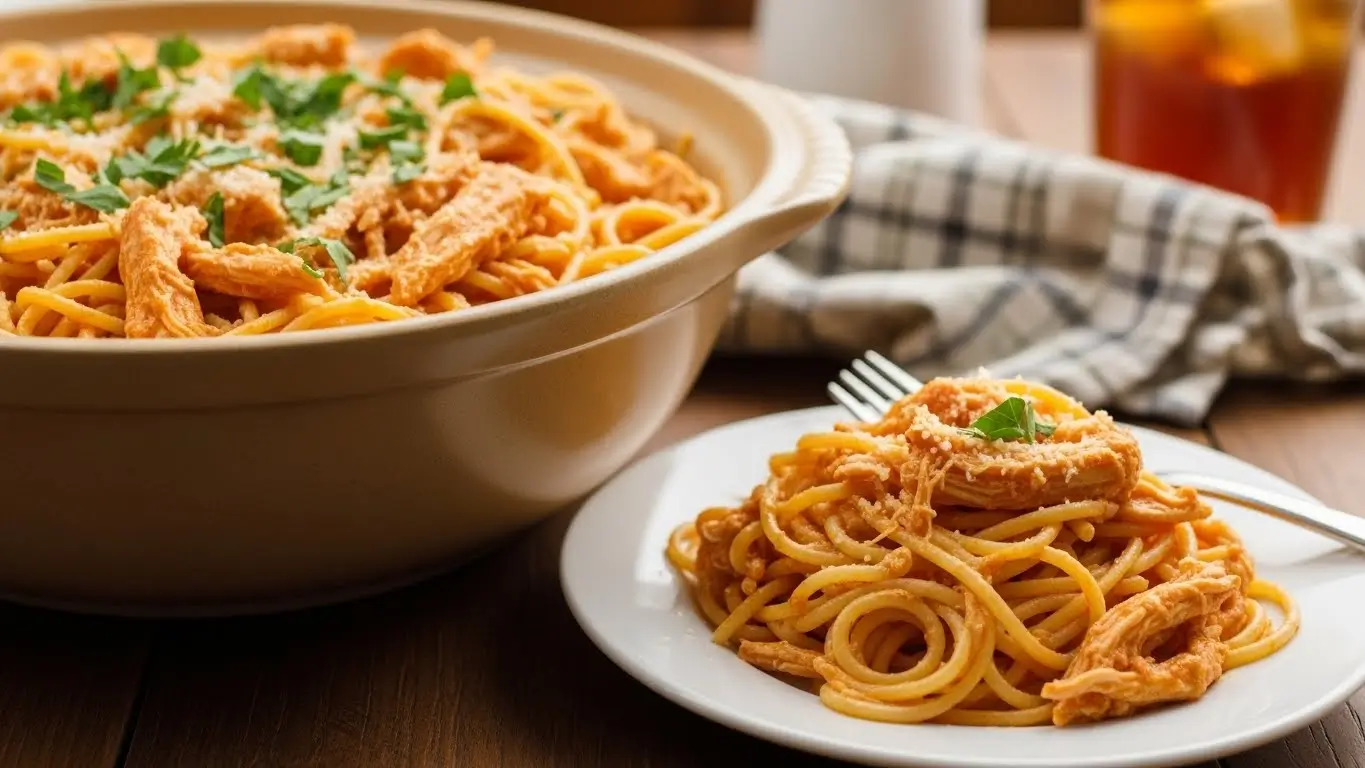
Do you remember those weeknight dinners from childhood that felt like a warm hug? The ones that brought everyone to the table without a second thought?
For many families across America, that feeling is captured in a single, beloved baked dish. It combines tender poultry with pasta in a creamy, cheesy sauce that bubbles to perfection in the oven.
This classic casserole is the ultimate comfort food, passed down through generations. It’s perfect for busy evenings, potluck parties, or whenever you need to feed a hungry crowd.
The best part? You can make it your own. Add a kick with Rotel tomatoes, stir in creamy Velveeta, or mix in your favorite salsa for a twist.
Our guide will walk you through creating this family favorite, from the essential ingredients to pro tips for the best results. Get ready to create a meal that will make its own wonderful memories.
Key Takeaways
- This beloved casserole is a classic American comfort food perfect for family dinners.
- It’s incredibly versatile and can be customized with different cheeses, tomatoes, or spices.
- The dish makes a large batch, ideal for feeding groups or for weekly meal preparation.
- Preparation is straightforward, using common pantry items and simple cooking steps.
- Baking creates a golden, bubbly top that is both visually appealing and delicious.
- Many people have strong emotional connections to this meal from their childhood.
- This guide provides a complete walkthrough, including tips and serving suggestions.
Introduction: The Ultimate Comfort Food Casserole
Across the United States, certain meals transcend mere sustenance to become emotional touchstones in family life. These are our comfort foods.
Comfort food provides deep emotional satisfaction. It evokes happy memories and feelings of security. These dishes are often simple, hearty, and deeply nostalgic.
This particular baked pasta casserole sits firmly in this beloved category. It is both filling and nostalgic. The combination creates a powerful sense of home.
Classic versions feature al dente noodles with tender shredded poultry. A rich sauce binds everything together. This sauce often combines cheeses with creamy soups for luxurious texture.
The appeal of this one-dish meal is significant. Minimal cleanup meets maximum satisfaction. Everything cooks and serves from a single pan. This makes busy weeknights much easier.
Cultural roots run deep in American home cooking. Southern cuisine, in particular, embraces this style of baked goodness. It represents practical, crowd-feeding ingenuity.
Popularity soars at family dinners and holiday gatherings. Church potlucks and community events frequently feature this crowd-pleaser. Its ability to feed many people makes it a practical choice.
While specific instructions vary between households, the essence remains constant. A creamy, cheesy pasta bake with protein defines the experience. Personal touches make each version special.
Many people associate this meal with family traditions. It connects generations through shared culinary experiences. That emotional resonance is its true power.
This guide will help you master both classic and modern variations. We explore techniques for perfecting this beloved creation. Detailed information awaits in the following sections.
Common American Comfort Food Categories
| Baked Pasta Casseroles | This dish, lasagna, macaroni and cheese | Creamy, cheesy, hearty, baked until bubbly | Family gatherings, holiday meals, warmth |
| Soup & Stew Classics | Chicken noodle soup, beef stew, chili | Warm, brothy, slow-cooked, nourishing | Care during illness, cold weather coziness |
| Breakfast-for-Dinner | Pancakes, waffles, breakfast casseroles | Simple, carb-heavy, often sweet or savory | Weekend relaxation, playful meal times |
| Handheld Favorites | Grilled cheese, sloppy joes, meatloaf sandwiches | Portable, often messy, deeply satisfying | Childhood lunches, casual family dinners |
Understanding where this baked creation fits helps appreciate its role. The table above shows its place among other cherished foods. Each category serves specific emotional needs.
Our exploration continues with why this specific formula remains a family favorite. We’ll examine its unique appeal and versatility next.
Why This Chicken Spaghetti Recipe is a Family Favorite
The true magic of a beloved family meal lies in its perfect balance of practicality and heart. This particular preparation masters both elements beautifully.
First, consider the sheer volume it produces. You’ll typically make enough for two full casserole dishes. This means immediate satisfaction plus future convenience.
Freeze one portion for a hectic day. Share the other with a neighbor or new parents. It’s the ultimate make-ahead solution for busy households.
Emotionally, this meal is a time machine. The gooey, cheesy pasta with a hint of spice often evokes powerful childhood memories. One home cook vividly recalls her parents’ oak table.
That specific spot still symbolizes happiness and connection for her. The familiar flavors and textures create an instant sense of nostalgia and home.
“The meals we return to again and again are the ones that feed more than our bodies—they nourish our sense of belonging and history.”
Versatility is another major strength. This dish adapts to different family needs effortlessly. Cook for a large weekend gathering or prepare meals for the week ahead.
Its crowd-pleasing nature is undeniable. Cheesy pasta dishes are generally loved by both kids and adults. Picky eaters and food enthusiasts can find common ground here.
Preparation stays remarkably simple. You’ll use mostly pantry staples and common ingredients. This accessibility removes stress from the cooking process.
Customization puts you in control. Adjust the heat level to your family’s preference. Use mild or hot Rotel tomatoes to dial the spice up or down.
The satisfaction of a complete one-pan meal cannot be overstated. You won’t need elaborate side dishes. Dinner planning becomes wonderfully straightforward.
Texture plays a crucial role in the appeal. Enjoy the contrast between the creamy sauce, tender poultry, and al dente noodles. Each bite delivers a pleasing combination.
This reliability makes it a perfect candidate for your weekly rotation. Families return to it because it consistently delivers delicious results. It becomes a trusted friend in the kitchen.
Ultimately, this formula has stood the test of time in countless households for excellent reasons. It solves practical problems while feeding the soul.
Why This Meal Earns Its Family Favorite Status
| Quantity & Planning | Makes two dishes; ideal for freezing, leftovers, or sharing | Provides security and abundance; reduces mealtime anxiety |
| Preparation & Cleanup | Uses common ingredients; one-pan cooking minimizes mess | Creates a relaxed cooking experience; more time for family |
| Customization & Appeal | Adjustable spice level; loved by all age groups | Feels personal and inclusive; becomes “your” family version |
| Texture & Flavor Profile | Creamy sauce, tender protein, perfectly cooked pasta | Delivers deep comfort and satisfaction with every bite |
| Time & Routine | Efficient for weeknights; reliable for meal prep | Builds comforting rituals and predictable joy |
The table above illustrates the powerful dual appeal. Each practical benefit is paired with an emotional or sensory reward.
This combination explains why the dish secures a permanent place in family traditions. It’s more than just a recipe—it’s a reliable source of comfort and connection.
Gathering Your Ingredients
Before the oven even preheats, success is determined by what you gather on your kitchen counter. This beloved baked creation transforms accessible components into something greater than their parts.
Each element plays a specific role in building flavor and texture. Understanding these roles helps you make smart substitutions and achieve perfect results every time.
The Chicken: Your Protein Base
Your protein choice sets the foundation for the entire dish. You need about 4 to 5 cups of shredded, cooked poultry for a standard batch.
Boneless, skinless breasts or thighs work beautifully. Poach them in water or broth until tender, then shred with two forks. For a major time-saver, grab a rotisserie chicken from the store.
Simply remove the meat from the bones and shred it. This shortcut provides delicious, ready-to-use cooked chicken in minutes. The goal is tender, juicy pieces that will meld seamlessly with the other components.
The Pasta: Choosing the Right Noodles
Traditional long strands, broken into pieces before cooking, are the classic choice. Cook them in well-salted water until just al dente.
They will continue to soften in the oven. Overcooking now leads to a mushy texture later. Drain the noodles well to avoid watering down your creamy sauce.
Some cooks prefer thinner varieties or even angel hair for a different texture. The key is selecting a shape that can hold up to baking while capturing the cheesy sauce in every bite.
The Cheesy Sauce: Creamy, Dreamy Components
This is where the magic happens. The sauce creates the luxurious, cohesive binder that defines the dish.
A can of cream of mushroom soup provides savory depth and creaminess. Cream of chicken soup makes an excellent substitute if you prefer. For the classic, ultra-creamy version, a block of Velveeta is essential.
It melts into a perfectly smooth sauce. Adding a few ounces of cream cheese boosts richness even further. Finally, shredded sharp cheddar cheese delivers a tangy, flavorful topping that gets beautifully golden in the oven.
The Flavor Boosters: Seasonings & Add-Ins
These elements personalize your creation and add complexity. A can of Ro*Tel tomatoes and green chilis is a superstar ingredient.
Choose mild, original, or hot based on your preferred spice level. The tomatoes add bright acidity, while the chilis provide a gentle kick.
Don’t forget the aromatic foundation. Garlic powder and onion powder offer quick, consistent flavor. For a fresher taste, sauté diced fresh onion and green pepper in a little butter first.
Seasoned salt, black pepper, and a pinch of cayenne round out the profile. Some versions include pimentos for color and sweetness, or a splash of salsa for a zesty twist.
Classic Ingredient Breakdown & Substitutions
| Protein | Shredded cooked chicken breasts | Provides hearty substance and lean protein | Rotisserie chicken, thighs, or turkey |
| Pasta | Thin spaghetti, broken | Creates the starchy base; holds sauce | Angel hair, linguine, or penne |
| Creamy Base | Cream of mushroom soup + Velveeta | Forms a smooth, rich, binding sauce | Cream of chicken soup + extra cheddar |
| Cheese Topping | Sharp cheddar, shredded | Adds tangy flavor and golden-brown crust | Colby Jack, Monterey Jack, or Mexican blend |
| Flavor Spark | Ro*Tel tomatoes & green chilis | Introduces acidity, moisture, and spice | Diced tomatoes + canned green chilis |
| Aromatics | Garlic powder & onion powder | Builds foundational savory flavor layers | Fresh minced garlic & diced onion |
Quality matters, especially with cheese. A block of sharp cheddar you shred yourself melts better than pre-shredded bags. Those often contain anti-caking agents that can make your sauce grainy.
Prepping ingredients ahead of time streamlines the process. Cook and shred your poultry one day. Measure your seasonings and shred your cheese in advance.
When assembly time comes, everything flows smoothly. This thoughtful preparation is the secret to a stress-free, delicious outcome that feels both familiar and special.
How to Make Chicken Spaghetti: Step-by-Step Instructions
The journey from pantry staples to a bubbling, golden-brown dinner follows four straightforward stages. Each phase builds upon the last, creating layers of flavor and texture.
Clear instructions ensure success for both novice and experienced cooks. This methodical approach transforms simple components into a cohesive, comforting meal.
You will need about 60 to 75 minutes of active time. Most of that involves prep work before the final bake.
Step 1: Cook and Shred the Chicken
Begin with your protein. You need approximately four to five cups of cooked, shredded poultry.
Place boneless, skinless breasts or thighs in a large pot. Cover them with water or broth for extra flavor.
Bring the liquid to a gentle simmer over medium-low heat. Cook until the meat is fully cooked through and tender.
This usually takes 20 to 25 minutes. Let it cool slightly before handling.
Use two forks to pull the meat apart into shreds. For a major shortcut, use a pre-cooked rotisserie bird from the store.
Simply remove the skin and bones, then shred the meat. This method saves significant time.
Step 2: Prepare the Pasta
While the poultry cooks, start your noodles. Break long strands into thirds before boiling.
This makes serving the final casserole much easier. Cook the pasta in well-salted water or reserved chicken stock.
Follow the package directions for al dente doneness. The noodles will continue to soften in the oven later.
Drain the cooked spaghetti thoroughly. Excess water can make your final sauce watery and dilute the flavors.
Step 3: Create the Cheese Sauce
This step builds the creamy, luxurious binder. Use a large Dutch pot or saucepan.
Combine one can of condensed cream of mushroom soup (undiluted) with a 10-ounce can of Rotel diced tomatoes and green chilies. Include the juices from the can.
Add an 8-ounce block of Velveeta and 4 ounces of cream cheese, both cubed. This is your creamy base.
Warm the mixture over low heat, stirring frequently. The goal is to melt the cheese smoothly without letting it scorch on the bottom.
Once smooth, stir in your seasonings. Use one teaspoon each of garlic powder and onion powder. Add salt and pepper to taste.
“Good cooking is about following directions; great cooking is about understanding why those directions work. Master the method, then make it your own.”
Step 4: Combine Everything and Bake
Now, bring all components together. Preheat your oven to 350°F (175°C).
Grease a 9×13 inch baking dish with butter or non-stick spray. This prevents sticking and makes cleanup simple.
Pour the warm sauce into the large pot with the drained pasta. Add all the shredded poultry.
Stir everything until the noodles and meat are evenly coated. Transfer this mixture to your prepared pan.
Sprinkle two cups of shredded sharp cheddar cheese evenly over the top. For extra color, add a little paprika or dried parsley.
Place the dish in the preheated oven. Bake for 20 to 35 minutes.
The baking is complete when the edges are bubbly, and the cheese on top is fully melted and lightly golden. Let it rest for 5-10 minutes before serving.
Comparing Popular Preparation Methods
| Classic Creamy | Uses Velveeta & cream cheese; stovetop sauce | Cream of mushroom soup + processed cheese | 20-30 min @ 350°F | Ultra-creamy, rich texture lovers |
| Broth-Infused | Pasta cooked in homemade chicken broth | Cream of chicken soup + sharp cheddar | 35-45 min @ 350°F | Deep, savory, from-scratch flavor |
| Zesty Southwestern | Includes salsa & sour cream; taco seasoning | Soup + salsa + sour cream blend | 25 min (covered) @ 350°F | Families who enjoy a Tex-Mex twist |
The table above shows how the core instructions adapt. Each version shares the same basic framework but varies in key details.
Your final creation should be heated through completely. Test the center with a fork—it should be very warm to the touch.
The perfect result features a creamy interior beneath a beautifully melted, slightly crisp cheese topping. Now you’re ready to serve a true comfort classic.
Expert Tips for the Best Chicken Spaghetti
The difference between a satisfactory dinner and an unforgettable one often lies in the details of preparation. These professional insights will help you avoid common pitfalls and achieve perfect results every time.
First, handle your protein with care. Boiling poultry at a rapid rate can make it tough and dry. Instead, gently simmer the meat in broth or water until just cooked through.
This gentle cooking preserves moisture. The result is tender, juicy shreds that blend beautifully into the final dish.
Your pasta choice matters too. Cook noodles to just al dente—they should still have a slight bite. Remember, they will continue to soften during the baking process.
Overcooked strands become mushy in the oven. Drain them thoroughly to prevent excess water from thinning your creamy sauce.
Mastering the Sauce and Seasoning
The sauce is the heart of this comforting creation. For optimal texture and taste, use a combination of cheeses.
Processed varieties like Velveeta melt smoothly for a creamy base. Sharp cheddar adds a tangy, complex flavor layer on top.
When melting your cheese, use low heat. Stir frequently to prevent scorching on the bottom of the pan. A slow, steady melt creates the silkiest consistency.
Seasoning should happen in stages. Add flavor to the cooking liquid for the poultry. Season the sauce mixture separately. Finally, taste the complete combination before it goes into the oven.
“Taste as you go. Your palate is the best tool for balancing flavors before the final bake locks everything in place.”
For the liquid component, add broth gradually. Start with less than you think you need. The mixture should be stirrable but not soupy.
If it seems too thick, you can always add a splash more broth, pasta water, or even sour cream. This controlled approach prevents a runny final product.
Smart Shortcuts and Baking Wisdom
Time-saving options exist without sacrificing quality. A store-bought rotisserie bird is a fantastic shortcut.
The pre-cooked meat adds depth and saves at least thirty minutes of active prep time. Simply shred and incorporate.
Once assembled, let your casserole sit at room temperature for about ten minutes. This brief rest allows the flavors to begin melding before heat is applied.
Baking requires careful attention. Preheat your oven fully to 350°F (175°C). Place the dish in the center rack for even heating.
Watch for visual cues rather than relying solely on the timer. The bake is complete when the edges are actively bubbling, and the cheese topping is fully melted with light golden spots.
Remove it promptly to avoid drying out. The residual heat will continue to cook the interior slightly as it rests.
Common Issues & Expert Solutions
| Dry, Tough Meat | Boiling poultry too aggressively | Simmer gently; use a meat thermometer (165°F internal temp) |
| Mushy Noodles | Overcooking pasta before baking | Cook to al dente; drain very well |
| Grainy Sauce | High heat when melting cheese; pre-shredded cheese with anti-caking agents | Use low heat; shred cheese from a block yourself |
| Runny Consistency | Too much liquid; inadequately drained ingredients | Add broth gradually; drain tomatoes well; let assembled dish rest before baking |
| Bland Flavor | Underseasoning; not layering seasoning | Season each component; taste final mix before baking |
| Overbaked & Dry | Leaving in oven too long | Bake just until bubbly with melted cheese; trust visual cues over time |
Creative Variations to Explore
Don’t be afraid to experiment once you’ve mastered the basics. The condensed soup base offers a subtle flavor canvas.
Try cream of chicken for a richer poultry note. Cream of celery adds a mild, aromatic dimension. Each creates a slightly different profile.
For add-ins, consider sautéed vegetables like diced bell peppers or mushrooms. Stir them into the sauce mixture for extra texture and nutrition.
Different peppers can alter the heat level. Use poblano for mild warmth or jalapeño for a more pronounced kick. Fresh herbs like parsley or chives add a bright finish.
For a zesty twist, substitute your favorite salsa for the canned tomatoes and green chilis. This simple swap introduces new layers of flavor instantly.
Remember, the best version is the one your family loves most. Use these tips as a foundation, then build your own signature creation.
Delicious Variations to Try
[Ваency_7}## Аd_7_7
>
How to Store and Reheat Leftovers
Maximizing your culinary investment begins with knowing how to properly save and revive leftovers. This ensures every delicious bite gets enjoyed to its fullest potential.
Follow these simple guidelines to maintain quality and safety. Your efforts in the kitchen deserve careful preservation.
First, allow your baked creation to cool completely at room temperature. This should take no more than two hours for food safety.
Then transfer it to an airtight container. You can also cover the original baking dish tightly with plastic wrap or aluminum foil.
Store your prepared meal in the refrigerator for optimal freshness. It will maintain great quality for three to four days.
For oven reheating, let the container sit out for about thirty minutes first. Never place a cold dish directly into a hot oven. This thermal shock could cause cracking or shattering.
Preheat your oven to 350°F (175°C). Cover the baking dish loosely with aluminum foil to prevent excessive browning.
Bake for twenty to thirty-five minutes. Check that the center is piping hot throughout. If the mixture seems dry, add a splash of broth or water before heating.
Microwave reheating offers the quickest option. Use a microwave-safe dish and cover it with a lid or vented plastic wrap.
Heat in one-minute intervals, stirring between each session. This ensures even warming without creating hot spots.
The stovetop method works well for smaller portions. Add a little broth, milk, or water to a skillet over medium heat.
Stir the mixture frequently until it’s uniformly hot. This method gives you excellent control over the final consistency.
“Food safety isn’t just about rules—it’s about respecting the effort that went into the meal and protecting those who will enjoy it.”
Always verify the internal temperature reaches 165°F. Use a food thermometer for accuracy. This eliminates any risk from harmful bacteria.
Pasta naturally absorbs sauce over time. Your stored meal might seem drier after a day or two. Don’t worry—this is completely normal.
Simply add extra moisture during the reheating process. A tablespoon of broth, cream, or even salsa can restore the creamy texture.
Revitalize your meal with a fresh sprinkle of shredded cheese or chopped herbs. Add these just before the final minutes of heating. The new toppings will melt beautifully.
Avoid repeatedly reheating the same portion. Each cycle degrades texture and flavor quality. Instead, reheat only what you plan to eat immediately.
Label your storage containers with the preparation date. This simple habit helps you track freshness and ensures food safety.
Comparing Reheating Methods for Best Results
| Oven | Large portions, family servings | 20-35 minutes | Let dish come to room temp first; cover with foil | Crisp top, evenly heated interior |
| Microwave | Single servings, quick meals | 2-4 minutes | Use intervals and stir; cover to retain moisture | Soft texture, fastest option |
| Stovetop | Small batches, controlled consistency | 5-10 minutes | Add liquid as needed; stir constantly | Creamy, customizable moisture level |
With these techniques, your delicious baked pasta remains a convenient pleasure for days. Proper storage and reheating transform one great meal into multiple satisfying experiences.
Your family can enjoy that comforting taste whenever the craving strikes. That’s the true value of a well-preserved homemade dish.
Freezing Instructions for Make-Ahead Meals
Transforming a single cooking session into multiple stress-free dinners is a game-changer for busy families. This beloved casserole is a perfect candidate for your freezer.
Mastering the freezing process extends its convenience for make-ahead meal prep, hectic nights, or sharing with friends.
You have two excellent options. You can freeze the dish before or after baking. Each method has its own advantages for planning.
For the unbaked method, assemble your creation in a freezer-safe pan. Do not put it in the oven.
Wrap the entire dish tightly with plastic wrap. Then, seal it with a layer of heavy-duty aluminum foil. This double layer fights freezer burn.
Always label it with the name and date. For the baked method, let the casserole cool completely at room temperature first.
Then, portion it into airtight containers or heavy-duty freezer bags. Squeeze out all excess air before sealing.
“Labeling isn’t just organization—it’s a gift to your future self, saving guesswork on a busy evening.”
Your frozen meal will maintain its best quality for up to three months. While it remains safe longer, flavor and texture are optimal within this window.
Proper wrapping is the key to preventing icy crystals. Never skip the plastic and foil combo for unbaked pans.
Thawing and Reheating Your Frozen Meal
The safest thawing method is in the refrigerator. Transfer your frozen dish from the freezer to the fridge.
Allow 24 to 48 hours for it to thaw completely. For a faster method, use the cold water bath.
Seal the wrapped pan in a plastic bag. Submerge it in cold water, changing the water every 30 minutes.
Never bake a frozen casserole directly in a hot oven. The thermal shock can crack your pan.
For an unbaked, thawed pan, let it sit at room temperature for about 30 minutes first. Then bake as directed, adding 5-10 extra minutes if needed.
Check that the center is hot and bubbly. For frozen baked portions, you can reheat directly from the freezer.
Use your oven or microwave. Add a tablespoon of broth, water, or cream to the sauce to restore moisture.
Freezing Method Comparison
| Unbaked & Frozen | Preserving “fresh-made” texture; full-pan meals | Assemble, wrap tightly in plastic+foil, freeze immediately | 24-48 hrs in fridge | Let sit at room temp 30 min; bake as directed |
| Baked & Frozen | Meal prep for singles; quick portion control | Cool completely, portion, store in airtight containers | Overnight in fridge or cold water bath | Reheat from frozen; add liquid to refresh sauce |
Pro Tips for Freezing Success
Consider using disposable aluminum foil pans. They don’t tie up your regular bakeware and are easy to give away.
Freezing individual servings in small containers is brilliant for lunches or solo dinners. Just grab and go.
Most ingredients in this dish freeze beautifully. The cheese sauce and pasta hold up well.
If your version includes sour cream, note that it may separate slightly upon thawing. A good stir during reheating will recombine it.
With these steps, your freezer becomes a treasure trove of ready-made comfort. A little planning today delivers effortless meals for weeks to come.
What to Serve with Chicken Spaghetti
Complementary flavors and textures turn a comforting casserole into a memorable family feast. The right accompaniments balance richness and add fresh contrast to your plate.
This baked pasta creation is quite satisfying on its own. Thoughtful sides complete the dining experience without overwhelming it.
A crisp green salad is a classic partner. Choose mixed greens, romaine, or iceberg lettuce.
Add tomatoes, cucumbers, and red onion for color. A light vinaigrette dressing cuts through the creamy sauce beautifully.
For bread lovers, garlic bread is a favorite. Warm, buttery slices soak up every last bit of sauce.
Dinner rolls or soft breadsticks work well, too. They add a comforting, carb-friendly element to the meal.
Steamed or roasted vegetables provide balance. Broccoli, green beans, and asparagus are excellent choices.
Their natural crunch and mild flavors complement the main dish. A sprinkle of lemon juice enhances their freshness.
When serving children, consider fruit-based sides. Applesauce or a simple fruit salad adds sweetness.
These options are often more appealing to younger palates. They lighten the overall meal effectively.
For a Southern-style dinner, traditional sides shine. Collard greens or black-eyed peas pair wonderfully.
Cornbread is another beloved accompaniment. Its slightly sweet, crumbly texture contrasts with the creamy pasta.
Lighter options include sliced fresh tomatoes. A cucumber and onion salad with vinegar dressing also works.
These fresh, acidic elements cleanse the palate between bites. They prevent the meal from feeling too heavy.
“The best side dishes don’t compete for attention—they play a supporting role that makes the star shine brighter.”
Beverage pairings matter too. Iced tea or lemonade are refreshing, family-friendly choices.
For adults, a light white wine like Pinot Grigio complements the flavors. Its crisp acidity balances the richness.
Remember, this baked creation is quite filling. Sides should be complementary rather than heavy.
Portion sizes can be modest. The goal is to enhance, not overshadow, your main course.
Leftovers offer creative possibilities. Use them to stuff bell peppers for a new dinner.
They make excellent toppings for baked potatoes. Or try them as filling for cheesy quesadillas.
This transforms one meal into multiple exciting options. It reduces food waste and saves preparation time.
Side Dish Pairing Guide
| Fresh Salads | Crisp greens with light vinaigrette; adds acidity and crunch | Balancing richness; adding fresh vegetables to the meal | 10-15 minutes |
| Bread & Rolls | Garlic bread, dinner rolls, or breadsticks; perfect for sauce | Comfort food lovers; families with kids; casual dinners | 5-10 minutes (heating) |
| Steamed Vegetables | Broccoli, green beans, asparagus; simple and nutritious | Health-conscious meals; adding color and vitamins | 8-12 minutes |
| Southern Sides | Collard greens, black-eyed peas, cornbread; traditional pairings | Themed dinners; regional cuisine enthusiasts; hearty appetites | 20-45 minutes |
| Fresh & Light | Sliced tomatoes, cucumber salad; no cooking required | Quick preparation; summer meals; light contrast | 5-10 minutes |
| Fruit Options | Applesauce, fruit salad; sweet and kid-friendly | Family dinners with children; balancing savory flavors | 5-15 minutes |
Ultimately, this beloved baked pasta can stand alone as a complete dinner. Sides are entirely optional based on your needs.
For busy weeknights, you might skip extras altogether. For Sunday gatherings, build a full spread with multiple accompaniments.
Your choice depends on the occasion and your family’s preferences. The flexibility is part of what makes this dish so versatile.
Conclusion: Your New Go-To Comfort Meal
When you find a dish that effortlessly brings everyone together, you’ve discovered more than just dinner—you’ve found a family tradition. This creamy, cheesy casserole delivers that perfect combination of simplicity and deep satisfaction.
The process is wonderfully straightforward. Cook your protein and pasta, create a rich sauce, combine everything, and bake. Yet this framework offers endless room for personal touches.
Make it your own with different cheeses, spices, or add-ins. The result is a versatile meal ready for busy weeknights or special gatherings.
This creation solves practical problems while feeding the soul. It yields plenty for leftovers and freezes beautifully. More importantly, it builds happy memories around your table.
We encourage you to try this chicken spaghetti recipe. Share your unique versions and family reactions below. May it become a cherished favorite in your home for years to come.
FAQ
Can I use a rotisserie chicken for this dish?
Absolutely. Using a store-bought rotisserie chicken is a fantastic time-saver. It adds wonderful flavor and ensures your dinner is ready in much less time. Just shred the meat and add it to your casserole.
What’s the best type of cheese to use for a creamy sauce?
For a rich, smooth sauce, many cooks love using Velveeta for its meltability. For a sharper taste, a good sharp cheddar works beautifully. You can even combine them for the perfect balance of creaminess and flavor.
How long will leftovers stay good in the refrigerator?
A> Your baked casserole will keep well in the fridge for 3 to 4 days. Store it covered tightly in its baking dish or in an airtight container. The flavors often meld and taste even better the next day!
Can I prepare this meal ahead of time and freeze it?
A> Yes, this is an excellent make-ahead meal. Assemble the entire casserole, but do not bake it. Cover it tightly with plastic wrap and foil, then freeze. When ready, you can bake it from frozen, adding extra time to the oven instructions.
What can I serve alongside this family-friendly casserole?
A> A simple green salad, garlic bread, or steamed vegetables like green beans make perfect sides. For a touch of freshness, a side of sliced tomatoes or a fruit salad complements the creamy, cheesy main dish wonderfully.
FAQ
Can I use a rotisserie chicken for this dish?
What’s the best type of cheese to use for a creamy sauce?
How long will leftovers stay good in the refrigerator?
Can I prepare this meal ahead of time and freeze it?
What can I serve alongside this family-friendly casserole?