
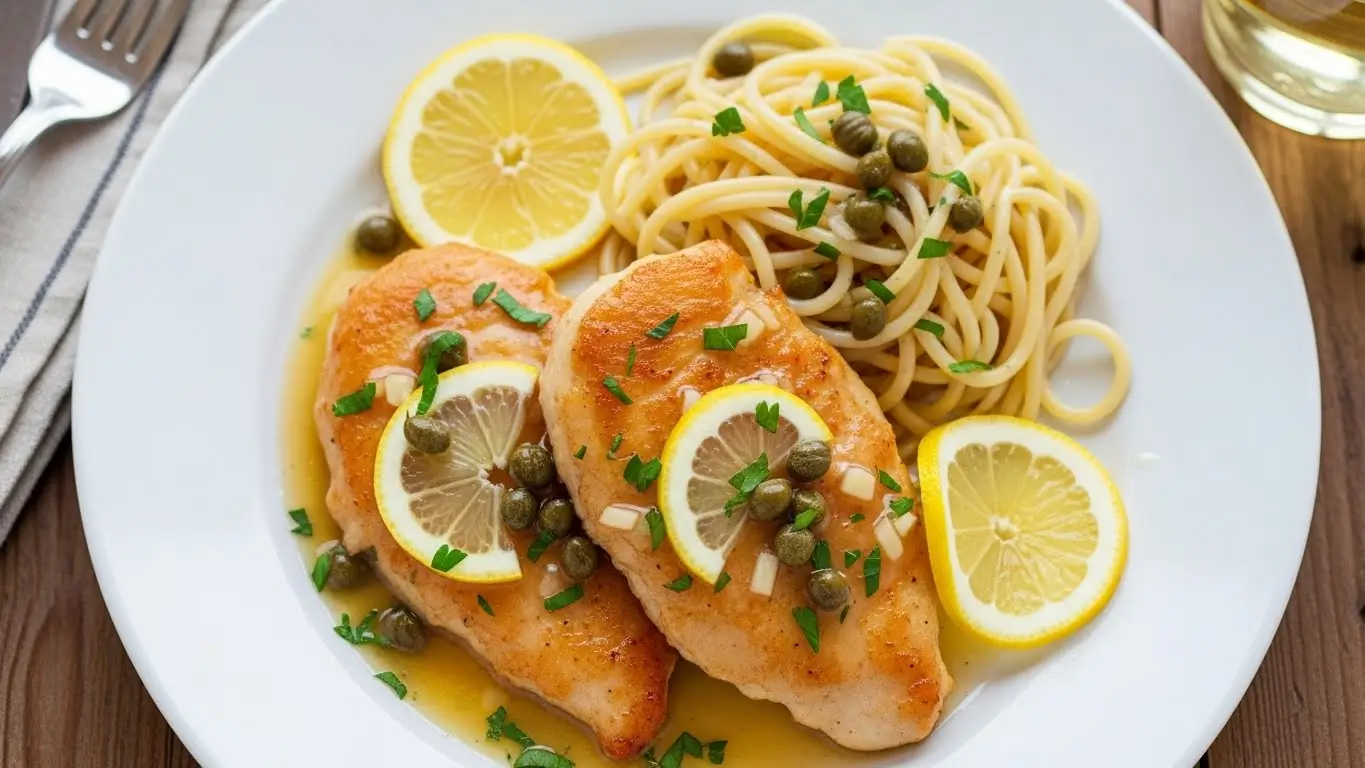
Ever have one of those evenings when you’re craving something special from a restaurant but don’t want to deal with the hassle or expense? I know that feeling well. There’s something deeply satisfying about creating a beautiful, impressive meal in your own kitchen, especially on a busy weeknight.
This beloved Italian-American creation delivers exactly that experience. With tender, golden-brown cutlets and a sauce that sings with bright, tangy flavor, it transforms simple ingredients into something extraordinary. Best of all, the entire process takes about 25 minutes from start to finish.
The magic lies in the balance of the pan sauce. Fresh lemon juice and briny capers cut through the richness of butter and savory broth. It’s a symphony of flavors that feels both luxurious and completely approachable. You likely have most of what you need already in your pantry.
This guide will walk you through every step to achieve perfect results. From selecting your protein to mastering the quick pan sauce, you’ll discover how accessible this classic truly is. Get ready to make a weeknight dinner that tastes like a celebration.
Key Takeaways
- This dish combines restaurant-quality taste with home kitchen convenience.
- Preparation is surprisingly quick, taking roughly 25 to 30 minutes total.
- The signature sauce features a perfect balance of lemon, butter, and capers.
- It’s a versatile meal that can be adapted with or without cream.
- Simple techniques like dredging and pan-frying create impressive, golden cutlets.
- The recipe uses common ingredients you may already have on hand.
- It has become a beloved weeknight staple across American homes.
What is Chicken Piccata?
Many home cooks recognize the name, but few know the fascinating journey this preparation has taken from Italy to America. At its heart, it’s a celebration of simple ingredients transformed through technique. The result feels both elegantly Italian and comfortably familiar on the dinner table.
The Origins of a Classic Dish
The story begins in Italy with vitello piccata, where thin slices of veal were the traditional protein. The term “piccata” itself refers to a specific cooking method. Meat is sliced thin, lightly coated in flour, and quickly sautéed.
This technique was designed for both tenderness and speed. The thin cutlets cook in minutes, while the flour coating helps create a golden exterior. It also acts as a thickener for the sauce that follows.
Italian immigrants brought this method to the United States. American kitchens embraced the style but often adapted it based on availability and preference. Chicken breasts, being more accessible and affordable than veal, became the popular choice.
Defining the Piccata Sauce
The sauce is where the magic truly happens. It’s a masterclass in balancing just a few potent ingredients. Each component plays a crucial role in creating the final, harmonious flavor.
Butter provides the luxurious, rich foundation. Fresh lemon juice cuts through with its bright, tangy acidity. Capers contribute a distinctive, briny, salty complexity that is irreplaceable.
Many versions include white wine or broth for added depth. The liquid reduces in the pan, concentrating the flavors. This process also incorporates the browned bits from cooking the meat, building layers of taste.
This combination achieves a signature balance that is neither too rich nor too sharp. The sauce clings beautifully to the protein and any accompanying pasta. It’s this distinctive blend that makes the dish instantly recognizable.
The American evolution of this entrée has made it a weeknight superstar. Its mild flavor acts as the perfect canvas for the vibrant sauce. Thin cutlets ensure everything comes together in one quick, seamless process.
While purists may debate ingredients, the goal remains the same: a delicious, approachable meal. Today’s version honors its roots while adapting to modern kitchens. It has firmly earned its status as a versatile classic in home cooking across the United States.
Why You’ll Love This Easy Recipe
The true appeal of this classic lies in its incredible ability to deliver maximum impact with minimal fuss. It solves the common dilemma of wanting a spectacular meal without spending hours in the kitchen or a fortune at a restaurant.
You get a beautiful, flavorful result that feels both special and completely achievable. This is a go-to solution for busy cooks who refuse to compromise on taste.
Restaurant-Quality at Home
Recreating the sophisticated taste of a restaurant entrée can seem daunting. This preparation proves it doesn’t have to be. The combination of a golden sear and the bright, pan sauce mimics a professional chef’s touch.
You achieve that perfect balance of rich, tangy, and savory notes right on your stovetop. The visual appeal of the finished plate is equally impressive, making it ideal for entertaining.
Comparing the cost is eye-opening. A single order at an Italian eatery can easily cost $20 or more. Preparing it yourself uses simple, affordable components for a fraction of the price.
This means you can enjoy a luxurious-feeling meal any night of the week. It turns your kitchen into the best seat in the house.
Quick and Simple Weeknight Dinner
Speed is a major advantage. From start to finish, you can have this dish on the table in about 30 minutes. Active cooking time is often just 20 minutes, making it a realistic weeknight winner.
The process is straightforward and forgiving. Techniques like dredging and pan-frying are simple to master, even for beginners.
You likely have the core ingredients already. Chicken breasts, a lemon, butter, and capers are the main stars. Pantry staples like flour and broth complete the sauce.
Its versatility is another huge plus. You can adapt it to different preferences by using wine or broth, or adding a splash of cream. It pairs wonderfully with pasta, rice, or roasted vegetables.
The satisfaction of creating such a delicious meal from scratch is immense. It reliably impresses family and guests alike, proving that a fantastic dinner doesn’t require complexity.
Key Ingredients & Smart Substitutions
Quality ingredients make a noticeable difference in the final dish. This list focuses on the essentials while offering flexible alternatives for various needs.
For the Chicken
Start with boneless, skinless chicken breasts, about six ounces each. Their mild flavor perfectly carries the vibrant sauce. For even cooking, select pieces of similar thickness.
All-purpose flour creates a light, golden crust when dredged. It also helps thicken the pan sauce later. Olive oil and butter work well together for frying.
The oil has a higher smoke point, preventing burning. The butter adds rich flavor to both the protein and the final sauce.
For the Piccata Sauce
The signature piccata sauce builds directly in the pan. You’ll need chicken broth or stock for savory depth. A cup is typically sufficient.
Dry white wine, like Pinot Grigio, adds acidity and complexity. If you prefer not to cook with alcohol, use additional broth. Fresh lemon juice is non-negotiable for brightness.
Plan on the juice of one large lemon, about three tablespoons. Brined capers provide the essential salty, briny note. Drain them well before using.
Essential Flavor Boosters: Lemon, Capers, and Herbs
Fresh lemon zest intensifies the citrus aroma without extra acidity. A clove of minced garlic or a pinch of garlic powder adds savory depth.
Fresh chopped parsley sprinkled at the end brings color and a clean, herbal finish. Season simply with salt and freshly ground black pepper.
For a richer, creamier variation, a half cup of heavy cream is an optional addition. Stir it in at the very end of cooking.
Smart substitutions keep this dish accessible. Use boneless thighs instead of chicken breasts for a more robust flavor. Vegetable broth can replace chicken broth.
If capers aren’t available, try chopped green olives or artichoke hearts. For a gluten-free version, use a 1:1 gluten-free flour blend for dredging.
When selecting your ingredients, opt for fresh-squeezed lemon juice over bottled. The flavor is far superior. Choose low-sodium broth to better control salt levels.
European-style butter has a higher fat content, contributing to a more luxurious sauce. Measure everything before you start cooking for a smooth process.
This formula is wonderfully forgiving. Don’t hesitate to use what you have on hand. The goal is a delicious, balanced meal that fits your kitchen and preferences.
Essential Prep: Preparing Your Chicken
The foundation of any excellent pan-fried dish begins with how you handle the protein before it hits the heat. Proper preparation ensures each piece cooks evenly and stays tender. These simple techniques transform basic ingredients into something special.
How to Butterfly and Pound Chicken Breasts
Even thickness is crucial for perfect results. Without it, thin areas overcook while thick parts remain underdone. The goal is uniform cutlets that sear beautifully.
Start with skinless chicken breasts, around six ounces each. Place one flat on your cutting board. Hold it steady with your non-dominant hand.
Using a sharp knife, slice horizontally through the center. Imagine opening a book. Stop about half an inch from the opposite edge.
Unfold the breast to create two connected, thinner pieces. This is butterflying. For larger breasts, cut them in half crosswise first.
Next comes pounding. Place the butterflied chicken breasts between plastic wrap or in a zip-top bag. Use the flat side of a meat tenderizer.
A rolling pin or heavy skillet works too. Gently pound outward from the center. Aim for a consistent half-inch thickness.
This ideal size cooks quickly while staying juicy. It also allows for maximum surface area. That means more golden crust in every bite.
The Importance of Dredging in Flour
The flour coating serves multiple purposes. It creates that desirable golden-brown crust when pan-fried. The texture contrast elevates the entire dish.
This step also helps thicken the sauce later. As the flour cooks in the pan, it forms a roux base. This gives the sauce body and richness.
Season your skinless chicken with salt, black pepper, and sometimes garlic powder first. Pat the breasts dry to help the coating stick.
Place all-purpose flour in a shallow dish. Some cooks add lemon zest for extra flavor. Lightly coat each piece on both sides.
Shake off any excess. Too much flour creates a pasty coating. You want a thin, even layer that will crisp up nicely.
Work efficiently by setting up a station. Use one hand for wet items and the other for dry. This prevents clumpy flour fingers.
Trim any visible fat from the edges before dredging. Skin-on cuts are not recommended for this preparation. They prevent proper browning and sauce adhesion.
If pieces have uneven thickness, pound them again. Consistency is key for timing. All cutlets should cook in the same amount of time.
Plan about ten to fifteen minutes for butterflying and pounding. Add another five for dredging and seasoning. This small investment pays big dividends.
These simple prep steps guarantee restaurant-quality texture. They ensure your main ingredient cooks perfectly in sync with the sauce. Master these techniques for consistently excellent results.
Step-by-Step Cooking Instructions for the Perfect Chicken Piccata Recipe
These instructions guide you through the entire stovetop process. Having everything measured and ready before you start is key. This ensures a smooth, uninterrupted cooking experience.
Step 1: Dredge and Brown the Chicken
Begin by heating a combination of oil and butter in a large skillet over medium-high heat. Use about one tablespoon of each. The pan should be hot before you add chicken.
Place your prepared cutlets in the skillet. Do not overcrowd the pan. Cook in batches if necessary for proper browning. Allow them to cook undisturbed for four to five minutes.
Check for a golden-brown crust before flipping. Cook the other side for another four to five minutes. The internal temperature should reach 165°F.
Remove the breasts to a clean plate. Tent loosely with foil to keep warm. Those browned bits left in the pan are flavor gold.
Step 2: Build the Flavorful Sauce Base
With the chicken removed, it’s time to create the sauce. Pour about one cup of broth into the hot pan. Use a wooden spoon to scrape up all the delicious browned bits.
This process is called deglazing. It incorporates immense flavor into your piccata sauce. Immediately add three tablespoons of fresh lemon juice.
Stir in two tablespoons of drained capers. For extra richness, whisk in another tablespoon of butter. Some versions include minced garlic at this stage.
For a thicker, roux-based version: Melt two tablespoons of butter first. Whisk in one tablespoon of flour and cook for one minute. Then, gradually whisk in your broth.
Step 3: Simmer and Reduce to Perfection
If using wine, add a half cup now. Dry white varieties like Sauvignon Blanc work well. Bring the liquid to a gentle simmer.
Allow the sauce to bubble lightly for three to five minutes. Watch as it reduces and thickens slightly. The time depends on your desired consistency.
A proper reduction concentrates the flavors beautifully. The sauce should coat the back of a spoon. Adjust the heat to maintain a steady simmer, not a rapid boil.
Season with salt and black pepper to taste. The capers add salinity, so taste first. The lemon juice provides the essential bright acidity.
Step 4: Finish and Combine
Return all the cooked cutlets to the pan. Nestle them into the simmering sauce. Spoon some of the liquid over the top.
Let everything cook together for two to three minutes. This allows the flavors to meld. The chicken absorbs the delicious sauce.
For a creamy variation, stir in a half cup of heavy cream at the very end. Immediately turn off the heat. Stir in a generous handful of fresh chopped parsley.
Troubleshooting and Timing Tips
If your sauce seems too thin, simply simmer it longer. For a too-thick consistency, whisk in a splash more broth. Balance excessive acidity with a pat of butter.
Always coordinate your side dishes. Have pasta, rice, or vegetables ready just as the entrée finishes. This dinner is best served immediately while hot.
The glossy, slightly thickened sauce should cling to the cutlets. Garnish with lemon slices if desired. You’ve now mastered the classic cooking method.
What to Serve with Chicken Piccata
Choosing complementary sides elevates the dining experience, creating harmony between flavors and textures on your plate. The bright, buttery sauce deserves accompaniments that enhance without overwhelming. Thoughtful pairings transform a single entrée into a complete, satisfying meal.
Consider balance in every aspect. You want contrasts in color, texture, and weight. This approach ensures each component shines while supporting the whole.
Perfect Pasta Pairings
Long, thin noodles are traditional for good reason. They cradle the flavorful sauce beautifully. Angel hair and linguine are particularly excellent choices.
Thinner varieties like capellini don’t compete with the delicate lemon notes. Wider options, such as fettuccine, offer more surface area. The sauce clings to every strand for maximum enjoyment.
Always cook your pasta to an al dente texture. This means firm to the bite. Reserve about half a cup of the starchy cooking water before draining.
This liquid is a chef’s secret for adjusting consistency. If your sauce thickens too much, add a splash. It helps bind everything together seamlessly.
Time your pasta to finish as the main component rests. Toss it directly in the pan with the sauce. This allows the flavors to marry perfectly.
Recommended Side Dishes
Beyond noodles, numerous options create wonderful meals. Starchy bases provide comforting foundations. Consider creamy mashed potatoes or fluffy rice.
For lower carbohydrate preferences, cauliflower mash works wonderfully. Polenta or quinoa also make excellent bed for the saucy entrée. Each soaks up the delicious pan juices.
Fresh vegetables add necessary color and nutrition. Roasted asparagus with a hint of garlic complements the citrus notes. Sautéed green beans or steamed broccoli provide a crisp texture.
A simple green salad offers a refreshing contrast. Dress it lightly with lemon vinaigrette. This echoes the main dish’s flavor profile beautifully.
Don’t forget about bread! Crusty Italian loaf or warm dinner rolls are essential. They’re perfect for sopping up every last drop of sauce from your plate.
For wine pairings, select dry white varieties. Pinot Grigio or Sauvignon Blanc works exceptionally well. Their acidity matches the lemon while cutting through the rich butter.
Unoaked Chardonnay is another fantastic option. It has enough body to stand up to the dish. Avoid overly sweet wines that would clash with the tangy capers.
Presentation matters for visual appeal. Arrange your protein over pasta or alongside starch. Spoon extra sauce over the top generously.
Garnish with fresh parsley and lemon slices. This adds vibrant color and freshness. The final plate should look as inviting as it tastes.
Manage your cooking time efficiently. Many sides can be prepared in advance. Roast vegetables while the cutlets cook.
Start boiling water for pasta early in the process. Have salad ingredients washed and ready. This streamlined approach makes weeknight dinners stress-free.
Storage, Reheating, and Make-Ahead Tips
Understanding how to preserve and revive this dish maximizes your investment in cooking time. Proper handling ensures every portion maintains its delightful flavor and texture. These practical strategies help you enjoy your efforts for days to come.
Whether planning for busy weeks or managing extras, these guidelines are essential. They prevent waste while keeping meals convenient and delicious. Follow these simple methods for optimal results.
How to Store Leftovers
Cool your meal completely before transferring to storage containers. This prevents condensation that can make components soggy. Use airtight containers to maintain freshness and prevent odors.
Refrigerate for three to four days maximum. For the best quality, consume within this timeframe. Label containers with the date to track freshness easily.
Store pasta, protein, and sauce in separate containers. This preserves the ideal texture of each component. Pasta won’t become mushy, and the sauce won’t oversaturate the meat.
Freezing extends preservation for up to four months. Use freezer-safe bags or containers to prevent freezer burn. Remove as much air as possible before sealing.
Portion your meal into single-serving sizes before freezing. This allows you to thaw only what you need. It saves time and reduces waste effectively.
Best Methods for Reheating
The stovetop offers excellent control for revival. Warm your sauce gently in a skillet over low heat. Stir occasionally to prevent sticking or burning.
Add the protein to the warming sauce. Let it heat through gradually. This prevents overcooking and maintains tenderness.
For pasta, add a splash of water or broth before reheating. Cover and heat on medium power in the microwave. Stir halfway through for even warming.
The oven works well for larger portions. Place everything in a baking dish with extra liquid. Cover with foil and heat at 350°F until warmed through.
Check that the internal temperature reaches 165°F for safety. Use a food thermometer for accuracy. Avoid reheating more than once to maintain quality.
If the sauce separates, whisk in a teaspoon of broth or water. For dried-out meat, slice it thinly and simmer briefly in sauce. These fixes restore moisture and texture effectively.
Transform extras into new creations for variety. Shred the protein for sandwiches or salads. Combine with fresh pasta for a quick bake.
Always cool food properly before refrigerating. Don’t leave it at room temperature for more than two hours. These practices ensure safe enjoyment of your prepared meals.
Nutritional Information
The ingredients in this classic dish contribute more than just flavor to your meal. Understanding the nutritional profile helps you make informed choices about your dinner. This information is based on common preparation methods using standard measurements.
Values can vary depending on specific brands and exact quantities used. The data below represents a typical serving of one prepared breast with sauce. This does not include any pasta or side dishes that might accompany it.
| Calories | 393-530 | 20-27% |
| Total Fat | 25-29g | 32-37% |
| Saturated Fat | 10-15g | 50-75% |
| Protein | 26-51g | 52-102% |
| Carbohydrates | 7-19g | 3-7% |
| Fiber | 1-2g | 4-8% |
| Sugar | 1-2g | – |
| Sodium | 650-850mg | 28-37% |
| Cholesterol | 115-145mg | 38-48% |
| Potassium | 450-550mg | 10-12% |
| Vitamin A | 8-12% | 8-12% |
| Vitamin C | 15-25% | 15-25% |
| Calcium | 3-5% | 3-5% |
| Iron | 8-12% | 8-12% |
*Percent Daily Values are based on a 2,000 calorie diet. Your daily values may be higher or lower depending on your calorie needs.
The primary source of protein comes from lean meat. A single serving provides over half of your daily requirement. This makes it an excellent option for muscle maintenance and satiety.
Total fat content varies significantly between preparations. The range depends on how much butter and oil you use during cooking. Saturated fat comes mainly from dairy products in the sauce.
Carbohydrate counts remain relatively low in the main preparation. Most come from the small amount of flour used for dredging. Adding pasta or other sides will increase this number substantially.
Micronutrients like vitamin C come from fresh lemon juice. Fresh parsley contributes additional vitamins and minerals. Sodium levels are influenced by broth, capers, and added salt.
How Ingredients Affect Nutrition
Each component choice impacts the final nutritional values. Using heavy cream increases both calories and saturated fat. Opting for low-sodium broth significantly reduces the sodium content.
Reducing butter by half can lower saturated fat by 30-40%. Choosing olive oil instead of vegetable oil adds heart-healthy monounsaturated fats. These simple swaps make a noticeable difference.
Fresh lemon juice provides natural vitamin C without added sugars. Bottled versions often contain preservatives and sweeteners. Always check labels if using prepared ingredients.
Comparing Different Versions
Traditional preparations without cream typically fall in the lower calorie range. They average around 400 calories with 26-30 grams of protein. The fat content comes mainly from pan-frying and the butter sauce.
Creamy variations add approximately 100-150 extra calories per serving. They also increase saturated fat by 5-8 grams. The trade-off is a richer, more luxurious texture.
Lightened-up versions use cooking spray instead of oil for browning. They might substitute Greek yogurt for some butter. These modifications can reduce calories by 20-30%.
Adapting for Dietary Needs
For lower-carbohydrate diets, serve the entrée without pasta or bread. Pair it with steamed vegetables or a green salad instead. This reduces total carbs to under 10 grams per serving.
To control sodium, use low-sodium broth and rinse capers thoroughly. Limit the added salt during cooking and at the table. These steps can cut sodium by 200-300 milligrams.
Reducing saturated fat is simple with a few adjustments. Use half the butter called for in the recipe. Replace the other half with additional broth or white wine.
For gluten-free needs, use a 1:1 gluten-free flour blend for dredging. Ensure your broth and other ingredients are certified gluten-free. Cooking time and temperatures remain the same.
Portion Considerations
A standard serving includes one prepared breast weighing 4-6 ounces. The sauce typically adds another ¼ to ⅓ cup of volume. Accompanying sides will increase all nutritional values proportionally.
If serving with pasta, add approximately 200 calories and 40 grams of carbohydrates. A cup of cooked linguine contributes these additional values. Consider this when planning your complete meal.
Restaurant portions are often significantly larger than home servings. They may include two breasts instead of one. This doubles all the nutritional values shown in the table.
Important Notes on Calculations
All nutritional information should be considered approximate. Values are automatically calculated based on standard ingredient databases. They serve as a helpful guide rather than an exact measurement.
Actual numbers depend on specific brands, exact measurements, and preparation methods. For precise tracking, consult the labels on products you use. Cooking time and heat levels can also affect final values.
Minor variations occur naturally in fresh ingredients. The size of a lemon affects vitamin C content. The exact thickness of breasts changes cooking time and moisture retention.
This dish offers a balanced approach to weeknight dining. It provides high-quality protein with moderate calories. Being mindful of sauce ingredients helps manage specific nutrient concerns.
The preparation fits well into various eating patterns. With simple modifications, it accommodates different health goals. Enjoy this flavorful classic as part of your balanced diet.
Conclusion
Bringing this classic Italian-American creation to your table proves that impressive meals don’t require complex techniques or hours in the kitchen.
The dish delivers restaurant-quality flavor with straightforward methods. Simple steps like pounding cutlets and making a quick pan sauce yield beautiful results.
Its versatility shines through optional additions like cream or different ingredients. You can adapt it to what you have available. The entire process takes about 30 minutes from start to finish.
Don’t hesitate to try this approachable recipe. Once comfortable, explore variations with shrimp or veal. Share your results and experiences with others.
Serve your creation over pasta or with roasted vegetables. The bright combination of lemon, butter, and capers creates a memorable dinner. This preparation deserves a regular spot in your meal rotation.
FAQ
Can I make this dish without white wine?
Yes, you can. A good substitute is to use an equal amount of low-sodium chicken broth mixed with a teaspoon of white wine vinegar or fresh lemon juice. This swap keeps the sauce bright and flavorful without the alcohol.
What’s the best way to get a golden crust on the meat?
The key is proper dredging and heat. Pat your skinless chicken breasts very dry, then coat them lightly in all-purpose flour. Shake off the excess. Cook in a hot skillet with olive oil and butter until golden brown, about 3-4 minutes per side. Don’t crowd the pan.
How long can I store leftovers?
Cooked chicken piccata keeps well in an airtight container in the refrigerator for up to 3 days. For the best quality, store the piccata sauce and chicken separately. The lemon and capers in the sauce help preserve its fresh flavor.
What can I use instead of capers?
If you don’t have capers, chopped green olives make a great stand-in. They provide a similar salty, briny punch that complements the lemon juice and butter in the classic piccata sauce.
Is this a good option for a quick weeknight dinner?
A> Absolutely. From start to finish, this classic takes about 30 minutes. It’s a simple one-pan meal that delivers impressive restaurant-quality taste. Serve it over pasta or with a side of roasted vegetables for a complete dinner.