 Skip to content
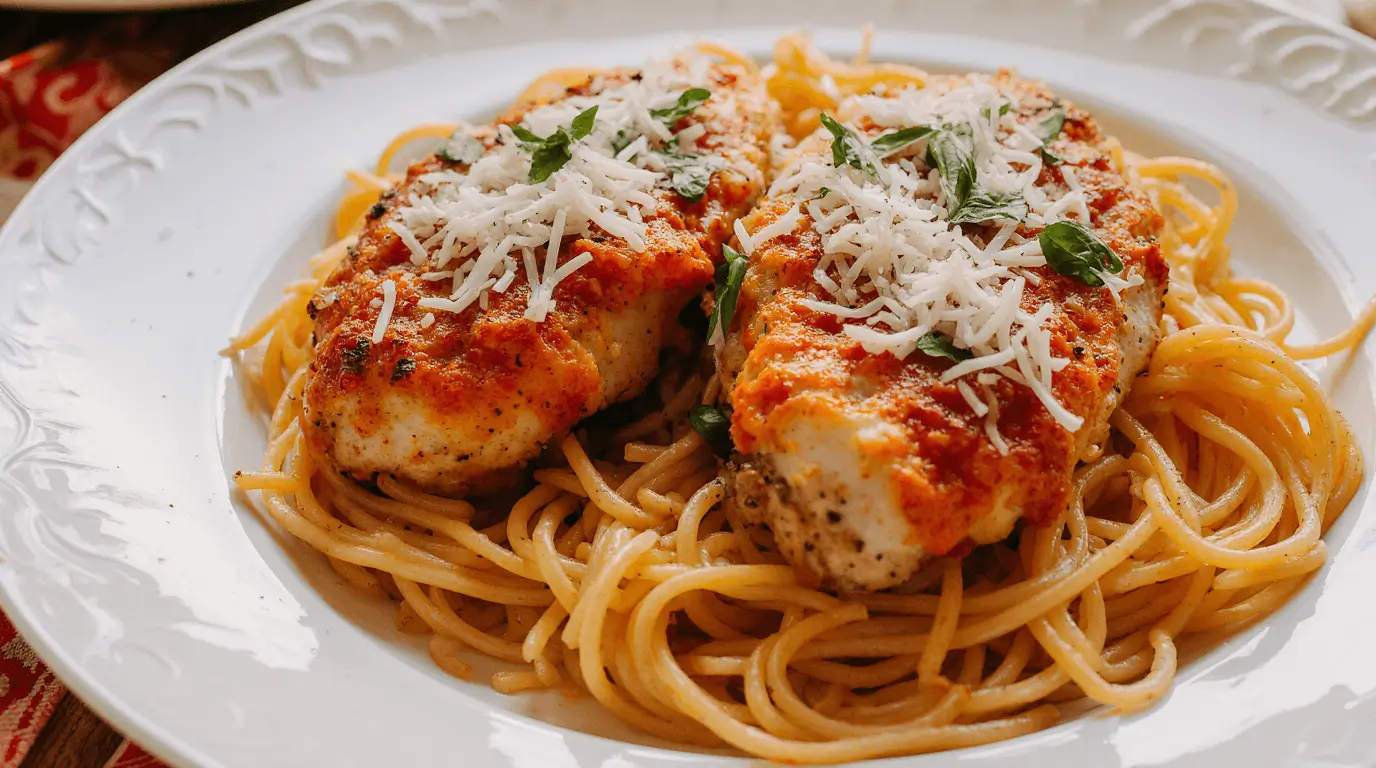
Easy Homemade Chicken Parmesan
Remember that cozy feeling of your favorite Italian restaurant? The warm, savory aroma of crispy breaded cutlets smothered in rich tomato sauce and bubbling cheese? That’s the magic we’re bringing to your kitchen today.
This beloved Italian-American comfort food delivers restaurant-quality results right at your own stove. It’s perfect for a special date night or a simple weeknight meal that feels extraordinary.
Home cooks everywhere rave about this method. They love its incredible flavor and how straightforward it is to prepare. You’ll create tender cutlets with a golden, Parmesan-crusted coating that stays wonderfully crisp.
The best part? You can adapt it to your kitchen. Use a skillet, bake it in the oven, or try an air fryer for a lighter version. Each method yields juicy, flavorful meat with a perfect texture.
Your complete meal comes together in under 40 minutes. This makes it ideal for busy families who still want a delicious, satisfying dinner. Serve it over pasta, with a fresh salad, or even on a crusty roll.
Ready to master this crowd-pleasing classic? Let’s create a dish that will become a new family favorite.
Key Takeaways
- Create restaurant-quality Italian-American comfort food at home.
- The dish features crispy breaded cutlets with tomato sauce and melted cheese.
- It’s versatile and can be made by pan-frying, baking, or using an air fryer.
- Everything comes together in less than 40 minutes for busy weeknights.
- Pairs beautifully with pasta, salads, or can be served as a sandwich.
- Follow simple tips for the crispiest results that won’t get soggy.
- Perfect for both special occasions and regular family dinners.
Introduction to Chicken Parmesan
At its heart, this classic Italian-American creation combines comforting textures and bold flavors in every bite. It’s more than just a meal—it’s a culinary experience that brings people together around the dinner table.
What is Chicken Parmesan?
Known formally as Chicken Parmigiana, this beloved dish features tender, breaded cutlets with a golden crust. In American kitchens, it’s affectionately called “Chicken Parm” for short.
The preparation follows a simple yet effective formula. You start with quality poultry pieces, coat them in a Parmesan-breadcrumb mixture, then pan-fry to perfection.
Each serving gets topped with robust tomato sauce and melted mozzarella cheese. The result is a harmonious blend of crispy, savory, and creamy elements.
This preparation shares its heritage with Eggplant Parmesan and Meatball Parmesan. All three showcase the same satisfying combination of breaded protein, sauce, and cheese.
“It’s the ultimate comfort food that feels both familiar and special at the same time.”
Why This Recipe Works for Everyone
Whether you’re a kitchen novice or an experienced cook, this method delivers consistent results. The steps are straightforward and easy to follow.
Versatility is one of its greatest strengths. You can serve it for quick Tuesday dinners or fancy Saturday gatherings.
Time-conscious home cooks appreciate the efficiency. From start to finish, you’ll spend less than 40 minutes in the kitchen.
- Make-ahead friendly: Prepare components in advance for busy weeknights.
- Crispiness guaranteed: Proper technique prevents soggy breading.
- Adaptable to diets: Use gluten-free breadcrumbs or lighter cheese options.
- Budget-conscious: Costs significantly less than restaurant versions.
The make-ahead aspect deserves special mention. You can bread the cutlets hours before cooking them.
Many people worry about breaded items losing their crunch. This approach ensures a satisfying crispy texture every time.
Dietary restrictions don’t have to mean missing out. Simple swaps accommodate various needs without sacrificing flavor.
Financially, preparing this at home makes excellent sense. You control the ingredient quality while saving money.
Family members of all ages typically enjoy this comforting meal. It’s a reliable crowd-pleaser that earns regular spots on dinner rotation.
Essential Ingredients for the Best Chicken Parm
Superior flavor and texture come from choosing premium ingredients with purpose. Each component plays a specific role in creating the final masterpiece.
Thoughtful selection ensures every bite delivers maximum satisfaction. Let’s explore what makes this combination work so well.
For the Chicken Cutlets
Start with boneless, skinless poultry breasts for the best results. You can purchase them whole or as pre-cut pieces.
Cutting them yourself offers more control over size and thickness. Aim for even pieces that cook at the same rate.
Pounding the meat to uniform thickness is crucial. This step guarantees consistent cooking and tender results every time.
Use a meat mallet or rolling pin for this task. Place the pieces between plastic wrap to prevent a mess.
Chicken tenders also work beautifully for this preparation. They’re naturally sized for individual servings.
For the Breading Station
The three-part coating system creates that signature crispy crust. Each layer has a specific function in the process.
Begin with all-purpose flour seasoned with salt and black pepper. This initial layer helps the egg wash adhere properly.
The egg mixture acts as the essential glue. Beat two large eggs thoroughly for optimal coverage.
For egg-free alternatives, consider using buttermilk instead. It provides similar binding properties.
The final coating combines breadcrumbs with grated Parmesan cheese. This creates the flavorful, crunchy exterior everyone loves.
Italian-seasoned crumbs add instant flavor complexity. Plain varieties work well with added herbs.
Panko breadcrumbs deliver exceptional crunch and texture. Their larger flakes create a lighter coating.
Gluten-free options perform wonderfully when seasoned properly. Stir in half a teaspoon of dried basil for extra flavor.
Toasting your breadcrumbs beforehand enhances their nutty flavor. Simply bake them briefly until golden brown.
For the Sauce and Cheese Topping
Robust tomato sauce brings everything together harmoniously. Homemade versions using San Marzano tomatoes offer superior taste.
Quality store-bought marinara works perfectly for busy nights. Choose one with simple, clean ingredients.
The cheese selection involves two distinct types for different purposes. Each contributes unique qualities to the finished dish.
Freshly grated Parmesan cheese integrates into the breadcrumb mixture. It adds savory depth to the crispy coating.
Always grate your own cheese from a block for the best results. Pre-grated varieties contain anti-caking agents.
Shredded mozzarella creates that beautiful melted topping everyone anticipates. Whole milk varieties offer the richest flavor.
Low-moisture part-skim mozzarella works equally well. It melts beautifully without becoming greasy.
Season generously with kosher salt and freshly ground black pepper. Add dried oregano or basil for herbal notes.
Fresh herbs like basil make excellent finishing touches. Sprinkle them over the completed creation.
These components work together to create something truly special. Your careful selection will be evident in every delicious bite.
Key Equipment You’ll Need
Having the right kitchen tools transforms this iconic dish from challenging to completely manageable. Proper gear ensures each step flows smoothly from preparation to plating.
Quality equipment makes a noticeable difference in your final results. It helps achieve that perfect golden crust and evenly melted cheese topping everyone loves.
| Meat Mallet or Heavy Pan | Food Processor | Pounding cutlets to even thickness |
| Three Shallow Bowls | Wire Cooling Rack | Setting up dredging station |
| Large Skillet (12-inch) | Splatter Guard | Pan-frying with enough space |
| Oven-Safe Baking Dish | Air Fryer Basket | Finishing in the oven |
| Instant-Read Thermometer | Grill Pan | Checking internal temperature |
| Kitchen Tongs | Pastry Brush | Handling hot items safely |
Start with tools for preparing your main ingredient. A meat mallet or heavy-bottomed saucepan works perfectly for pounding poultry pieces.
Even thickness guarantees consistent cooking throughout each piece. This simple step prevents dry edges while ensuring the center cooks through.
Set up three shallow containers for the coating process. Use wide, flat bowls or dinner plates for the flour, egg wash, and breadcrumb mixture.
This arrangement creates an efficient assembly line. It keeps your workspace organized and minimizes mess during the breading stage.
Your cooking vessel choices significantly impact the outcome. Select a large skillet with enough surface area to avoid crowding the cutlets.
Non-stick or well-seasoned cast-iron pans work beautifully. They provide even heat distribution for that desirable golden-brown crust.
An oven-safe casserole dish or rimmed baking sheet handles the final stage. This vessel goes directly from the stovetop to the oven for melting the cheese topping.
Monitoring tools ensure perfect results every time. An instant-read thermometer verifies that the internal temperature reaches 165°F.
Kitchen tongs offer safe handling during frying and transferring. A wire rack helps drain excess oil after pan-frying for maximum crispiness.
“The right tool doesn’t just make the job easier—it makes the results better. Investing in quality kitchen equipment pays off in every meal you create.”
Professional Kitchen Designer
Consider alternative equipment for different cooking approaches. An air fryer basket creates a lighter version with excellent texture.
A grill pan offers attractive sear marks for visual appeal. Each method requires slightly different tools but delivers delicious outcomes.
Never overlook essential safety equipment. Heat-resistant oven mitts protect your hands when moving hot dishes.
A splatter guard minimizes mess when frying in oil. These items make the cooking process safer and more enjoyable.
With these tools assembled, you’re ready to tackle the preparation with confidence. Each piece serves a specific purpose in creating restaurant-worthy results at home.
Step-by-Step Guide to Preparing the Chicken
The foundation of any great breaded dish lies in meticulous preparation before the cooking even begins. This phase transforms simple ingredients into a cohesive masterpiece with perfect texture.
Follow these systematic steps to ensure your main component cooks evenly and develops that coveted golden crust. Proper technique here guarantees restaurant-quality results in your own kitchen.
Cutting and Pounding the Chicken Breasts
Begin with two boneless, skinless poultry breasts. Place one on a clean cutting board and carefully slice it horizontally through the center.
This creates two thinner pieces from each breast, yielding four total cutlets. A sharp chef’s knife makes this task smooth and precise.
Next, prepare your workspace for pounding. Lay a large sheet of plastic wrap on your counter or cutting board.
Place one cutlet in the center and cover it with another plastic layer. This containment method prevents mess while protecting the meat’s delicate structure.
Use a meat mallet, rolling pin, or heavy-bottomed saucepan to gently pound the piece. Apply even pressure across the entire surface area.
Your goal is a uniform 1/3-inch thickness throughout each cutlet. This consistent dimension is crucial for even cooking.
Pounding serves two vital purposes. First, it tenderizes the fibers for a more delicate eating experience.
Second, it reduces cooking time significantly. Thinner pieces reach the safe internal temperature of 165°F much faster.
If you skip this step, you’ll need to sauté the pieces longer. Extended cooking risks drying out the edges before the center finishes.
Once all pieces are properly flattened, season both sides generously. Use kosher salt and freshly ground black pepper for foundational flavor.
This seasoning penetrates during the brief rest period. Allow the cutlets to sit for five minutes before proceeding to the coating stage.
Setting Up Your Dredging Station
Organization is key to successful breading. Arrange three shallow bowls in an assembly line on your counter.
This systematic approach keeps the process clean and efficient. Each container has a specific purpose in creating the perfect crust.
In the first bowl, combine one cup of all-purpose flour with one teaspoon each of salt and pepper. Whisk these dry ingredients together until fully incorporated.
The flour mixture creates an essential dry surface on the meat. This initial layer helps the subsequent coating adhere properly.
For the second bowl, crack two large eggs into the container. Beat them vigorously with a fork until the yolks and whites become completely homogeneous.
This egg wash acts as the culinary glue. It binds the flour layer to the final crispy coating.
The third bowl holds the star ingredients. Combine one cup of breadcrumbs with half a cup of freshly grated hard cheese.
Italian-seasoned varieties add instant flavor complexity. Panko breadcrumbs create an exceptionally light and crunchy texture.
Now you’re ready to begin the coating process. Use one hand for dry ingredients and the other for wet to avoid clumpy fingers.
Dip each seasoned cutlet first into the flour mixture. Shake off any excess before moving to the next step.
Next, coat the piece thoroughly in the beaten eggs. Let any drips fall back into the bowl.
Finally, press the cutlet firmly into the breadcrumb mixture. Ensure complete coverage on all surfaces for maximum crunch.
Place each breaded piece on a wire rack or parchment-lined tray. Let them rest for ten minutes before cooking.
This brief waiting period allows the coating to set properly. The result is breading that stays firmly attached during frying.
For gluten-free alternatives, substitute the all-purpose flour with your preferred blend. Almond flour or rice flour works beautifully.
Experiment with different seasoning blends in the breadcrumb mixture. Add dried oregano, garlic powder, or smoked paprika for unique flavor profiles.
Proper preparation sets the stage for cooking success. These careful steps ensure every bite delivers maximum satisfaction.
How to Cook Chicken Parmesan: Pan-Fry and Bake Method
This classic dish gets its signature texture from a clever combination of stovetop and oven techniques. The two-stage process ensures a golden, crispy crust and a perfectly juicy interior every time.
Pan-Frying for a Golden Crust
Begin by heating a large skillet over medium heat. Add enough olive oil to lightly coat the bottom of the pan.
Test the oil’s readiness. A breadcrumb dropped in should sizzle gently. This is the ideal temperature for frying.
Carefully place your breaded pieces in the hot oil. Do not overcrowd the pan. Cook in batches if necessary.
Sauté each piece for about three to four minutes per side. You are looking for a deep, golden-brown color on the breading.
The meat does not need to be fully cooked through at this stage. The goal is to set the crust and remove surface moisture.
Once both sides are beautifully colored, transfer the cutlets to a plate. They will finish cooking thoroughly in the oven.
Assembling and Baking to Perfection
Preheat your oven to 425°F. Grab an oven-safe casserole or baking dish for assembly.
Pour half of your prepared tomato sauce into the bottom of the dish. Spread it into a thin, even layer.
Arrange the pan-fried pieces in a single layer over the sauce. This prevents steaming and helps maintain crispiness.
Spoon the remaining sauce over the top of each piece. Be generous, but avoid completely drowning the crispy coating.
For a less saucy, extra-crispy version, you can skip the sauce underneath. Just spoon it on top before adding cheese.
Now, sprinkle a generous amount of shredded mozzarella cheese over everything. Add a little extra grated Parmesan for a savory kick.
Place the assembled dish in the hot oven. Bake for approximately 15 minutes.
The dish is ready when the cheese is completely melted and browned in spots. The sauce should be bubbling around the edges.
Use an instant-read thermometer to check for doneness. The internal temperature must reach 165°F for safety.
While your main course bakes, you have the perfect window to prepare sides. Boil pasta, toss a salad, or warm some bread.
This timing makes for a well-coordinated meal where everything finishes together.
| Soggy Breading | Too much sauce underneath, or wet cutlets added to oil. | Use less base sauce; ensure cutlets are dry before breading. |
| Uneven Cheese Melting | Oven not hot enough, or cheese piled too thickly. | Verify oven temperature; sprinkle cheese in an even, thin layer. |
| Burnt Crust, Raw Center | Heat too high during pan-frying. | Maintain medium heat for gentle, thorough cooking. |
| Oil Not Hot Enough | Breading absorbs oil and becomes greasy. | Wait for the oil to sizzle with a test breadcrumb. |
“The pan-fry and bake method is a game-changer. It gives you control over the crust’s texture while guaranteeing the meat is cooked through without drying out.”
This reliable technique delivers fantastic results. You get a crunchy exterior, tender meat, and beautifully melted cheese in one glorious dish.
Alternative Cooking Methods
The beauty of this dish lies in its adaptability to various cooking styles, each bringing unique advantages to the table. You don’t need to stick to one technique to enjoy fantastic results.
Different approaches suit different needs and kitchen setups. Whether you want less oil, easier cleanup, or a faster process, there’s an option for you.
How to Make Baked Chicken Parmesan
This approach skips the stovetop entirely for a lighter meal. It’s perfect when you want to avoid frying but still crave that crispy texture.
Begin with breaded poultry pieces prepared as described earlier. Place them on a parchment-lined baking sheet for easy cleanup.
Lightly coat each piece with cooking spray on all sides. This helps the coating turn golden brown in the hot oven.
Bake at 400°F for about 15 minutes. Check that the center reaches 165°F with a meat thermometer.
Remove the baking sheet from the oven. Add two to three tablespoons of marinara over each cutlet.
Top generously with shredded mozzarella and a sprinkle of hard cheese. Return to the oven for three to five more minutes.
The cheese should melt completely and bubble slightly. Let it rest for a few minutes before serving.
Air Fryer Chicken Parmesan Option
This modern appliance creates exceptionally crispy results with minimal oil. It’s ideal for quick weeknight dinners.
Prepare your breaded pieces as usual. Lightly spray each one with avocado or olive oil cooking spray.
Preheat your air fryer to 375°F for best results. Arrange the pieces in a single layer without overcrowding.
Cook for six to nine minutes, depending on thickness. The goal is an internal temperature of 165°F.
Check halfway through and flip if needed. The exterior should be deeply golden and very crisp.
Transfer to a plate and add your tomato sauce and cheese. The residual heat will melt the toppings beautifully.
Each technique produces delicious but distinct results. Understanding these differences helps you choose the right method.
The baked version offers a lighter, evenly cooked meal. The air fryer delivers maximum crunch with less oil.
| Pan-Fry & Bake | Very High | 35-40 minutes | Medium (skillet + dish) | Classic texture, special occasions |
| Fully Baked | Medium-High | 25-30 minutes | Easy (one sheet pan) | Health-conscious, easy cleanup |
| Air Fryer | Highest | 20-25 minutes | Very Easy (basket only) | Quick meals, maximum crunch |
Consider your priorities when selecting a technique. Time, equipment, and dietary preferences all play a role.
The fully baked approach uses about one tablespoon of oil total. This makes it a healthier choice for regular meals.
Air fryers circulate hot air rapidly around the food. This creates a crust that’s often crisper than traditional frying.
For the baked method, always use parchment paper or a rack. This prevents sticking and promotes even browning.
Preheating your air fryer ensures consistent cooking. Most models need just three to five minutes to reach the temperature.
Texture differs noticeably between methods. Pan-frying gives a rich, deep golden color with a slight oil sheen.
Baking produces a drier, more uniform crunch. Air frying creates an ultra-crispy, crackly exterior that many people love.
All three methods yield tender, juicy meat inside. The coating and cooking style make the main difference.
Choose based on your available tools and desired outcome. Each delivers a satisfying version of this classic comfort food.
Tips for the Crispiest Chicken Parmesan Recipe
The secret to exceptional crunch lies in understanding the science behind breading and frying. Professional chefs use specific techniques to ensure that the golden coating stays perfectly crisp from the first bite to the last.
Start with the proper preparation of your breaded pieces. After coating them in the flour, egg, and crumb mixture, let them rest for ten minutes before cooking.
This waiting period allows the coating to set properly. The result is breading that stays firmly attached during frying without falling off.
Oil temperature management is crucial for perfect results. Heat your olive oil until a breadcrumb sizzles gently when dropped in.
Too cool oil causes greasiness as the breading absorbs it. Too much hot oil burns the coating before the interior cooks through.
For maximum air circulation, use a wire rack when baking. Place it over a baking sheet to keep everything crispy all around.
This prevents sogginess on the bottom of each piece. Steam escapes freely instead of getting trapped underneath.
Strategic sauce application preserves crunch while delivering flavor. Many cooks reduce or omit marinara at the bottom of the casserole dish.
My personal preference includes the tomato sauce because it prevents sticking. It adds extra flavor and creates a perfect one-pan meal ready for pasta.
Proper draining makes a significant difference. After frying, place cutlets on a wire rack instead of paper towels.
Paper towels trap steam and soften the crust. A rack allows air to circulate freely for maximum crispiness.
| Panko Breadcrumbs | Superior crunch with larger, crispier texture | All cooking methods, especially air frying |
| Toasted Breadcrumbs | Enhanced flavor and extra crispiness | Baked and pan-fried versions |
| Wire Rack Baking | Prevents bottom sogginess completely | Oven-baked preparations |
| Proper Draining | Maintains crust integrity after frying | Pan-fried cutlets before saucing |
| Strategic Saucing | Preserves crisp areas while adding moisture | All serving styles |
Panko breadcrumbs create an exceptional texture compared to traditional varieties. Their larger flakes produce a lighter, crunchier coating that holds up beautifully.
For enhanced flavor and extra crispiness, toast your breadcrumbs before breading. Simply bake them briefly until they turn golden brown.
Address the moisture balance carefully. You want enough sauce for flavor without compromising the crispy texture you worked so hard to achieve.
Apply tomato sauce strategically over the top rather than underneath. Spoon it directly onto each piece before adding cheese.
Reviving leftovers requires special attention. To restore crispiness when reheating, use your oven instead of the microwave.
Place pieces on a wire rack over a baking sheet. Heat at 375°F for 10-15 minutes until warmed through and crispy again.
The microwave steams the breading and makes it soggy. Oven reheating restores that desirable crunchy texture.
Remember these techniques for your next preparation. They transform good results into extraordinary, restaurant-quality crunch that everyone will love.
Serving Suggestions and Perfect Side Dishes
Choosing the right accompaniments elevates your main course from delicious to extraordinary. The perfect sides create a balanced plate that complements rich flavors with fresh, contrasting elements.
Your meal planning becomes effortless with these thoughtful pairings. Each suggestion enhances the dining experience for family dinners or special gatherings.
Classic Pasta Pairings
Long, slender noodles like spaghetti or linguine work beautifully. They cradle the savory tomato sauce and melted cheese in every forkful.
Fettuccine offers a wider surface for sauce adherence. Its flat shape provides a satisfying texture contrast to the crispy coating.
Prepare your pasta simply to let the main star shine. Toss cooked noodles with a drizzle of quality olive oil or a pat of butter.
For extra richness, mix in a spoonful of the same marinara used in your dish. This creates flavor harmony across the entire plate.
Time your pasta water to boil as the cutlets finish baking. Everything comes together hot and fresh for the best eating experience.
Fresh Salads and Vegetable Sides
Crisp greens provide a refreshing counterpoint to the hearty main. A classic Caesar salad with its garlicky dressing and crunchy croutons is perfect.
Simple garden salads with mixed lettuces work equally well. Add cherry tomatoes, cucumber slices, and a light vinaigrette.
For a colorful Caprese option, layer fresh mozzarella with tomato slices. Top with basil leaves and a balsamic reduction.
Roasted vegetables bring warmth and natural sweetness to the table. Asparagus spears or cauliflower florets develop delicious caramelized edges in the oven.
Toss broccoli with olive oil, salt, and pepper before roasting. These sides cook alongside your main dish for efficient meal assembly.
Consider alternative serving styles for variety. Create a hot sandwich on crusty Italian bread or a toasted bun.
Skip the pasta entirely for a lighter meal. Serve the crispy cutlets with double vegetable portions for a low-carb option.
Wine pairings enhance the Italian flavors beautifully. A medium-bodied Chianti or Sangiovese complements the tomato sauce perfectly.
For white wine lovers, try a crisp Pinot Grigio. Its acidity cuts through the richness of the cheese and breading.
| Garlic Bread | 5 minutes | Savory, buttery, garlicky | Comfort meals, family dinners |
| Roasted Asparagus | 15-20 minutes | Earthy, slightly sweet | Health-conscious, elegant meals |
| Caesar Salad | 10 minutes | Creamy, tangy, crunchy | Quick weeknights, classic pairing |
| Caprese Salad | 8 minutes | Fresh, light, herby | Summer meals, lighter options |
| Fettuccine Alfredo | 12 minutes | Rich, creamy, indulgent | Special occasions, decadent meals |
Portion sizes depend on your guests’ appetites. Plan for one breaded cutlet per person as a standard serving.
Increase to two pieces for heartier eaters or active individuals. Balance the plate with moderate pasta or generous vegetable portions.
For an appealing presentation, place the main item slightly off-center. Arrange sides in separate sections rather than mixing everything together.
Garnish with fresh basil or parsley just before serving. This adds color and a final burst of fresh flavor.
Adapt meals for different dietary needs easily. Use gluten-free pasta or zucchini noodles for those avoiding wheat.
Dairy-free cheese alternatives work well for the topping. Nutritional yeast can replace grated cheese in the breadcrumb mixture.
Complete your Italian feast with warm breadsticks or focaccia. These extras soak up any remaining sauce for zero waste.
With these suggestions, every meal becomes a well-rounded celebration. Mix and match sides to keep dinner rotations exciting and satisfying.
Make-Ahead Tips, Storage, and Reheating
Mastering make-ahead methods lets you enjoy restaurant-quality flavors with minimal last-minute effort. Proper planning transforms this classic into a convenient option for busy weeknights and special gatherings alike.
These strategies preserve the dish’s signature textures. Your crispy coating stays intact while the interior remains tender and juicy.
Prepping in Advance
Complete preparation up to 24 hours before serving saves valuable time. This approach works beautifully for dinner parties or hectic weekdays.
Cook your breaded cutlets until they reach 165°F internally. Use an instant-read thermometer for accuracy.
Arrange the fully cooked pieces in a casserole dish. Top them with marinara and shredded mozzarella cheese.
Cover the assembled dish tightly with plastic wrap or foil. Refrigerate it until you’re ready to bake.
When baking from a refrigerated state, add five extra minutes to the cooking time. Check that the internal temperature returns to 165°F.
The breading acts as a protective barrier during storage. It helps the meat retain moisture while preventing sogginess.
Storing and Freezing Leftovers
Cool cooked portions to room temperature before storing. This prevents condensation that could soften the crispy exterior.
Place leftovers in airtight containers or wrap them tightly in foil. Proper sealing maintains quality and prevents freezer burn.
Refrigerated pieces stay fresh for up to three days. Frozen portions maintain their best quality for two months.
For optimal freezing, wrap individual servings separately. This allows you to thaw only what you need
Use freezer-safe containers with minimal air space. Label each package with the date for easy tracking
The tomato sauce and cheese topping freeze remarkably well. They retain their flavor and texture when properly stored.
| Refrigeration | 3 days | Airtight container or tightly wrapped | Best texture when consumed within 48 hours |
| Freezing (individual portions) | 2 months | Freezer bags or vacuum-sealed | Prevents freezer burn, easy portion control |
| Freezing (full dish) | 1 month | Freezer-safe casserole with lid | Convenient for family meals, may require longer reheating |
| Counter (cooling only) | 2 hours maximum | Wire rack on baking sheet | Essential before refrigeration to prevent sogginess |
Best Ways to Reheat for Crispy Results
Always thaw frozen items in the refrigerator overnight. Slow thawing preserves texture better than quick methods.
For the crispiest revival, use your oven or toaster oven. Set the temperature to 375°F for optimal results.
Place pieces on a wire rack over a baking sheet. This allows air circulation on all sides.
Bake uncovered for 10-15 minutes if refrigerated. Frozen items may need 20-25 minutes.
The breadcrumbs regain their crunch beautifully in dry heat. The cheese melts perfectly without becoming greasy.
Avoid using the microwave whenever possible. It steams the coating and creates a soggy texture.
Air fryers work exceptionally well for reheating. They restore crispiness quickly with minimal oil.
Adapt cooking times based on your starting point. Refrigerated items heat faster than frozen ones.
Repurpose leftovers creatively for new meals. Create sandwiches on crusty Italian bread with extra sauce.
Chop cooled pieces for pasta salads or baked casseroles. The flavors blend wonderfully with additional ingredients.
Identify unsafe leftovers by appearance and smell. Discard any portions with unusual odors or discoloration.
Mold growth or slimy textures indicate spoilage. When in doubt, follow the food safety rule: throw it out.
These techniques ensure every serving tastes fantastic. You’ll enjoy maximum value from your cooking efforts.
Conclusion
Transforming simple ingredients into a restaurant-worthy feast is an achievable culinary triumph. You now have all the tools for success.
This guide has shown you how to create that perfect crispy, breaded coating every time. You’ve learned versatile cooking methods for any kitchen.
Making this dish at home saves money and lets you control quality. You can adapt it for different diets and occasions with ease.
Remember the key techniques: proper pounding and oil temperature management. These ensure juicy meat with a golden crust.
Once you master the basics, explore creative variations. Try different cheese blends or sauce recipes to make it your own.
Share your cooking experiences with friends and family. This homemade version will become a cherished regular in your meal rotation.
FAQ
Can I use a different type of cheese?
Absolutely. While fresh mozzarella and grated Parmesan are classic, you can experiment. Provolone or fontina melts beautifully. For a lighter option, try part-skim mozzarella. The key is using a good melting cheese on top.
How do I prevent the breading from falling off?
A proper dredging station is crucial. Pat the meat dry first. Then follow the order: flour, beaten eggs, then seasoned breadcrumbs. Press the panko or breadcrumbs firmly onto each piece. Let the breaded cutlets rest for 10 minutes before frying to help the coating set.
What’s the best way to reheat leftovers?
To keep the crust crispy, avoid the microwave. Reheat in a conventional or toaster oven at 375°F until hot. You can also use a skillet over medium heat with a little olive oil. This method helps restore the texture better than baking alone.
Can I make this dish ahead of time?
Yes, you can prep components in advance. Bread the cutlets and store them layered between parchment paper in the fridge for a day. You can also assemble the entire casserole, cover it, and refrigerate it before baking. Add a few extra minutes to the bake time if cooking from cold.
What are good side dishes to serve with it?
A> Classic pairings include spaghetti or fettuccine tossed in marinara. For a lighter meal, a crisp Caesar salad or roasted vegetables like broccoli or asparagus work perfectly. A side of garlic bread is always a crowd-pleaser.
Is there a way to make a lighter version?
For a healthier take, try the baked method outlined in the guide. Use a wire rack on the sheet pan to allow air circulation for even crisping. You can also use whole-wheat panko and part-skim mozzarella to reduce fat without sacrificing flavor.
FAQ
Can I use a different type of cheese?
How do I prevent the breading from falling off?
What’s the best way to reheat leftovers?
Can I make this dish ahead of time?
What are good side dishes to serve with it?
Is there a way to make a lighter version?
