 Skip to content
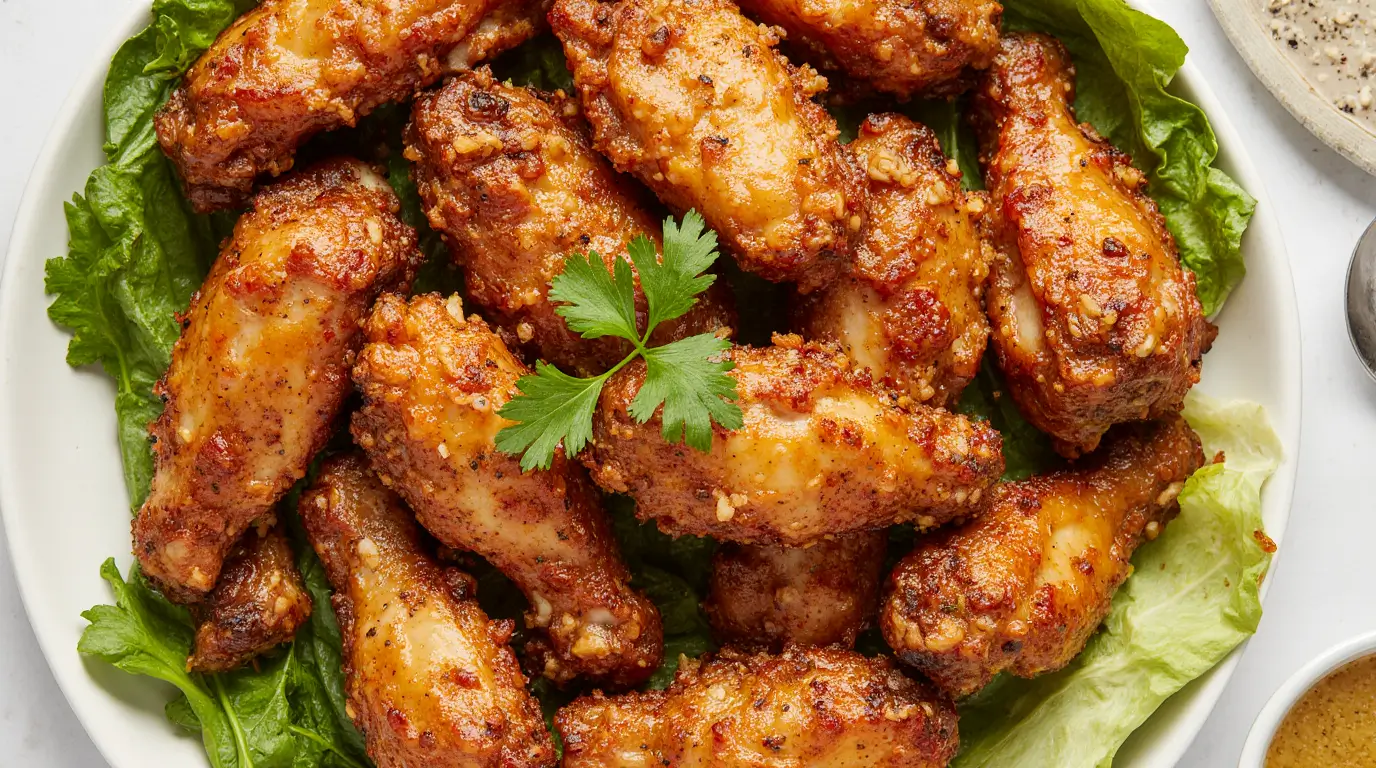
You know that moment when a plate of hot, saucy bites brings everyone to the table — the buzz, the laughter, the quiet focus as sauce drips and you taste the first crisp bite. This guide meets you there and walks you through how to make reliable, crowd-pleasing chicken wings at home with texture and flavor you can count on.
You’ll learn: simple choices that shape the result — baked, air-fried, deep-fried, or oven-fried — and how to pick a method based on your time, gear, and how crispy you want the skin.
This is a practical recipe framework: choose a method, select a flavor path, and then apply the appropriate saucing or dry-rub technique. You’ll find Buffalo-style basics, garlic-forward options, dry rubs, and global spice blends, all suited to a typical U.S. kitchen.
Beyond cooking, you’ll also get tips on plating and party timing so your hot platter arrives at peak heat and flavor.
Key Takeaways
- Understand method choices: bake, air-fry, deep-fry, or oven-fry.
- Follow a clear recipe framework for repeatable results.
- Master Buffalo-style sauce plus dry rub and global spice options.
- Use common U.S. kitchen tools for reliable outcomes.
- Plan serving and timing for the best party experience.
Why chicken wings are a go-to crowd food in the United States
For parties and game nights, choose foods that are easy to carry, bold in flavor, and designed to feed a crowd. Bite-sized portions encourage sharing, while batch cooking helps keep everything hot and consistent. That mix of convenience and flavor is exactly what made wings a party favorite.
What makes a Buffalo wing “Buffalo”
Buffalo wings are traditionally unbreaded, deep-fried pieces tossed in a vinegar-based cayenne hot sauce mixed with melted butter. That hot-sauce-plus-butter base is the defining hallmark.
A quick origin snapshot from Buffalo, New York
The most-cited story points to the Anchor Bar in 1964 and Teressa Bellissimo. Nearby restaurateur John Young also helped popularize the recipe in the city. By the 1970s and 1980s, bars across the U.S. had adopted the dish as classic pub fare.
How wings evolved into many sauces and boneless options
Restaurants expanded flavor lines—sweet, spicy, and global—so customers kept returning for variety. “Boneless” versions are usually bite-sized breast meat served with wing-style sauce, so expect a different texture than traditional pieces.
- Why they work: easy to share, easy to flavor, perfect for dipping.
- Classic pairings: celery, carrots, and ranch or blue cheese for balance.
Choosing and prepping wings for the best texture
Start by learning the parts of a wing so you can buy and prep with confidence.
Wing parts explained: drumette, flat, and tips
Each package usually contains drumettes, flats, and tips. Drumettes look like mini drumsticks and hold more meat. Flats have two thin bones and crisp differently. Tips are small; some cooks discard them, others roast them attached for stock.
Pat dry, trim, and portion for even cooking time
Pat pieces thoroughly with paper towels. Surface moisture prevents browning, so dry is non-negotiable.
Trim loose skin and separate any joined pieces so all parts cook at the same rate. Portion similarly sized pieces on the tray to avoid overdone or underdone results.
Seasoning fundamentals: kosher salt, black pepper, and paprika
Seasoning starts simple: kosher salt, freshly ground black pepper, and paprika. This baseline boosts flavor and color. Season lightly if you plan a salty sauce, or season more for dry-rub or unsauced plates.
- Tip: Salt early for deeper seasoning; salt late to avoid drawing moisture when saucing.
How to make crispy baked chicken wings in the oven
You don’t need a deep fryer to get blistered, crunchy skin; the oven can do it. With a simple setup and a small baking trick, you can turn raw pieces into reliably crisp bites in about 40 minutes.
Set up your baking sheet with foil and a wire rack.
Line a baking sheet with foil for easy cleanup, then place a wire rack on top so air circulates all around the pieces. The rack keeps the skin dry and exposes every side to heat.
The baking powder method for crisp skin and why it works
Toss with a small amount of baking powder, salt, and pepper. The powder raises surface pH and dries the skin, helping it brown and crisp in the oven much like frying.
Fridge rest: letting wings dry uncovered for extra crunch
Rest the tray uncovered in the fridge for at least 8 hours when possible. This dehydration time is the secret step that upgrades baked results to restaurant-level crisp.
Oven temperature and timing: high heat, minutes, and flipping once
Preheat the oven to about 450°F (232°C). Bake on the wire rack set over the baking sheet for roughly 40 minutes, flipping once at about 20 minutes. Look for deep golden, blistered skin and adjust if your oven runs hot or cool.
Batch tip: If you cook for a crowd, rotate sheet pans in and out of the oven and let finished trays rest on a warm rack so crispness holds without steaming.
Flavor paths for chicken wings you can master at home
Start with a clear flavor goal — classic heat, garlicky punch, a dry crust, or an international spice toss — and build from there.
Classic Buffalo sauce
Buffalo sauce is a simple emulsion of vinegar-based cayenne hot sauce and melted butter. A common ratio is 2 tablespoons of hot sauce to 1 tablespoon of butter for a medium tang.
To dial heat, change the hot sauce amount by a teaspoon increment. Add a pinch of garlic powder for depth without overpowering the tang.
Garlic-forward heat
Combine garlic powder, cayenne, and a splash of vinegar for brightness. Measure spices with a teaspoon for repeatable results.
This profile tastes sharp and layered. Use oil sparingly to help spices cling when tossing hot pieces.
Grandma-style dry-rub (four ingredients)
The retro method needs four core ingredients: flour, Lawry’s seasoning salt, melted butter, and the pieces themselves.
Toss in flour and seasoning, then bake in butter until golden. Serve with blue cheese and carrot sticks for the classic finish.
Global spice tosses
Use warming blends or peppery mixes and toss with a little oil in a hot pan or wok. The oil helps spices stick and crisps the surface without sogginess.
“Measure key spices by teaspoon when you want repeatability; loosen up and taste when you cook for friends.”
| Classic Buffalo | Hot sauce, butter, garlic powder | Purists, game day, crowd-pleasing |
| Garlic-forward | Garlic powder, cayenne, vinegar, oil | Fans of sharp, layered heat |
| Grandma-style dry-rub | Flour, Lawry’s, butter | Low-mess, nostalgic recipes |
| Global spice toss | Spice blend, oil, paprika | Adventurous palates, variety menus |
- Tip: Use teaspoon measurements for consistency; scale up for parties.
- Choose by audience: Buffalo for purists, dry-rub for less mess, garlic for punch, global blends for novelty.
Saucing and tossing techniques that coat every wing
A reliable saucing method makes sure every piece gets an even, glossy coating you can be proud of. Start with a large, dry bowl and a warm batch just out of the oven. Heat helps sauces spread and cling to surface textures.
Use a bowl and toss while hot for maximum cling.
Put hot pieces into the bowl, pour the sauce over them, and toss aggressively for about 20–30 seconds. The motion forces sauce into crevices and helps the skin hold a thin layer instead of sliding off.
Keep the skin crisp: sauce after baking, not before.
Saucing after baking helps maintain crisp skin and gives you better control over coverage. Baking with sauce can boost caramelized flavor, but it also softens the skin more quickly.
Timing tip: Add sauce at the last minute, then serve right away or hold briefly in a 200°F oven to keep wings warm without creating steam.
Troubleshooting: If the sauce pools, simmer it to thicken or use less. If pieces lose crispness, toss lightly and serve faster next time.
Recipe match: Thick glazes need only a quick toss, while thin Buffalo-style sauces spread fast and absorb less when applied to hot pieces.
Use a large bowl and sauce the wings while they’re hot—that combination delivers even, glossy coverage every time.
Air fryer wings and other methods when you need speed
When you need a fast, crispy batch, the air fryer is your best shortcut. Set up the basket so each piece sits in a single layer. Crowding causes steaming and soft skin.
Air fryer setup for a single layer and crisp finish
Arrange items in one layer so hot air circulates around each piece. Cook at 400°F for about 20–25 minutes, shaking or flipping at the halfway mark — roughly 10–12 minutes in.
If you have a small machine, cook in batches to protect that single layer rule. Let finished pieces rest briefly so steam escapes and crispness holds.
Bake vs. deep-fry vs. oven-“fry”: texture and fat trade-offs
Deep-frying delivers instant crunch and richer flavor because of the oil. It adds more fat to the finished product in minutes.
Baked methods use less oil and yield a lighter bite, but may need longer cook times and the baking powder trick for added texture.
Oven-“fry” (rack plus very hot oven) mimics deep-fried, with moisture inside and crisp outside. It balances fat and texture when you rest pieces uncovered after seasoning with salt, baking powder, and pepper.
| Air fryer (single layer) | 20–25 | High crisp, evenly browned | Low (little to no oil) |
| Deep-fry | 8–12 | Very crisp, rich | High (absorbed oil) |
| Oven-“fry” on rack | 35–45 | Crisp exterior, moist interior | Medium (light oil or butter) |
- Oil matters: deep-frying adds quick crunch and richness; air frying uses far less oil but still browns well when pieces are dry.
- Powder tip: a light dusting of baking powder helps crisp in air-fryer and oven methods — don’t overdo it to avoid a chalky taste.
- Choose by schedule: use an air fryer for weeknight speed, deep-fry for fast party batches, and oven-“fry” for hands-off volume when you have time.
Serving like a wing spot: sides, dips, and party-ready tips
A great serving strategy keeps textures crisp and dips within easy reach for every guest.
Traditional pairings and platter build
Build a platter with celery and carrot sticks and add two dip choices so guests pick what they like.
Blue cheese has deep New York roots, while ranch is the nationwide favorite. Offer both if you can.
Batch cooking and oven logistics
Line baking sheet pans before you load them. Rotate trays every 10–12 minutes so each sheet cooks evenly.
Keep a warm oven at 200°F to hold trays for short stretches without overbaking. Re-crisp finished pieces under high heat for 3–4 minutes when needed.
Make-ahead storage and finishing touches
Store cooled cooked items in an airtight container for up to three days. Texture softens, but reheating on a baking sheet in the oven restores crispness in minutes.
Before serving, dust a light paprika and a measured teaspoon of extra seasoning for color and a final flavor bump.
“Keep dips cool, platters hot, and finish with a simple sprinkle so every plate looks intentional.”
Conclusion
End with a practical approach: one reliable method can take you from quick weeknight dinners to game-day spreads with ease. Stick to a simple system—pat the pieces dry, choose the right cooking method, and match the flavor profile to your crowd.
Texture makes the difference. Dry the skin well, cook on a rack so air can circulate, and add sauce only after high heat to keep everything crispy. These three habits deliver consistent, repeatable results every time.
Master one base recipe, then switch up the sauces—classic Buffalo, garlicky heat, a bold dry rub, or global spice blends—to keep meals exciting. Cook in batches, serve hot, and pair with dips and crunchy sides so your platter disappears fast.
FAQ
What makes a Buffalo wing “Buffalo”?
A true Buffalo sauce balances hot sauce and butter, often with a splash of vinegar and a pinch of garlic powder. The heat level comes from cayenne-based sauces like Frank’s RedHot, and the butter mellows the bite while adding gloss so the sauce clings to the skin.
Why are wings so popular at gatherings in the United States?
They’re finger-friendly, shareable, and versatile. You can offer multiple flavors, pair them with celery, carrot sticks, ranch, or blue cheese, and feed a crowd without elaborate plating. They also travel well when kept warm on sheet pans under low heat.
Which parts make up a wing, and how does that affect cooking?
A full wing includes the drumette, flat (wingette), and tip. Drumettes are meatier and take slightly longer to cook; flats crisp up nicely thanks to more surface area. Removing tips or splitting into portions helps ensure even cooking time across pieces.
How do you prep for the crispiest oven-baked result?
Pat pieces very dry, trim excess fat, and optionally dust with baking powder (not baking soda). Arrange in a single layer on a foil-lined baking sheet set on a wire rack so hot air circulates. Resting uncovered in the fridge for a few hours also helps dry the skin for extra crunch.
What does the baking powder method do, and how much should you use?
Baking powder raises skin pH and promotes browning while drawing moisture out, creating a crisp exterior. Use about 1 teaspoon per pound, mixed with your seasonings like kosher salt, black pepper, and paprika. Don’t overuse to avoid an off taste.
What oven temperature and timing give the best texture?
High heat works best—typically 400–450°F. Cook until skin is golden and internal temperature reads 165°F, usually 30–45 minutes depending on size. Flip once halfway through for even browning and render more fat.
Should you sauce before or after baking for maximum crispiness?
For crispiness, sauce after baking while pieces are still hot, and place them briefly back in the oven only if you want the sauce set. Toss in a bowl to coat evenly; hot skin helps the sauce cling. Baking with sauce tends to soften the exterior.
How do you adapt recipes for an air fryer?
Arrange pieces in a single layer with space between to allow air flow. Use the same baking powder and spice approach for crispness. Cook at 375–400°F for 15–25 minutes, shaking the basket or flipping once for even color and texture.
What are quick saucing tips for classic and garlic-forward flavors?
For Buffalo, melt butter and whisk it into the hot sauce in a 1:1 to 1:2 ratio (butter:hot sauce) to taste. For garlic-forward heat, add garlic powder and a pinch of cayenne, and finish with a splash of vinegar to brighten. Toss hot pieces immediately for best adhesion.
Can I make a dry-rub style, and what ingredients work well?
Yes. Combine kosher salt, black pepper, paprika, garlic powder, and a touch of baking powder for crispness. Rub with a little oil so spices stick, then bake on a wire rack. This four-ingredient, grandma-style approach delivers bold, crunchy results.
How should you store leftovers, and how long do they keep?
Cool to room temperature, then place in an airtight container and refrigerate for up to four days. Reheat in a preheated oven or air fryer to restore crispness rather than in a microwave, which makes skin soggy.
What changes when you deep-fry versus oven-bake or air-fry?
Deep-frying submerges pieces in hot oil, giving ultra-crisp skin and a richer mouthfeel from rendered fat. Oven-baking and air-frying use convection of hot air; they yield crisp results with less added fat but slightly different texture and flavor depth compared with traditional frying.
How do you keep large batches hot and crisp at a party?
Use sheet pans fitted with wire racks in a low oven (about 200°F) to keep pieces warm and elevated, allowing steam to escape. Rotate the pans as needed, and briefly return each batch to a hot oven just before serving to restore crispness.
Any tips for seasoning without overpowering the base flavor?
Start light with kosher salt and black pepper, add paprika for color and a mild smoky note, and finish with small amounts of garlic powder. Taste your sauce separately and adjust acidity or heat—small changes go a long way.
