 Skip to content
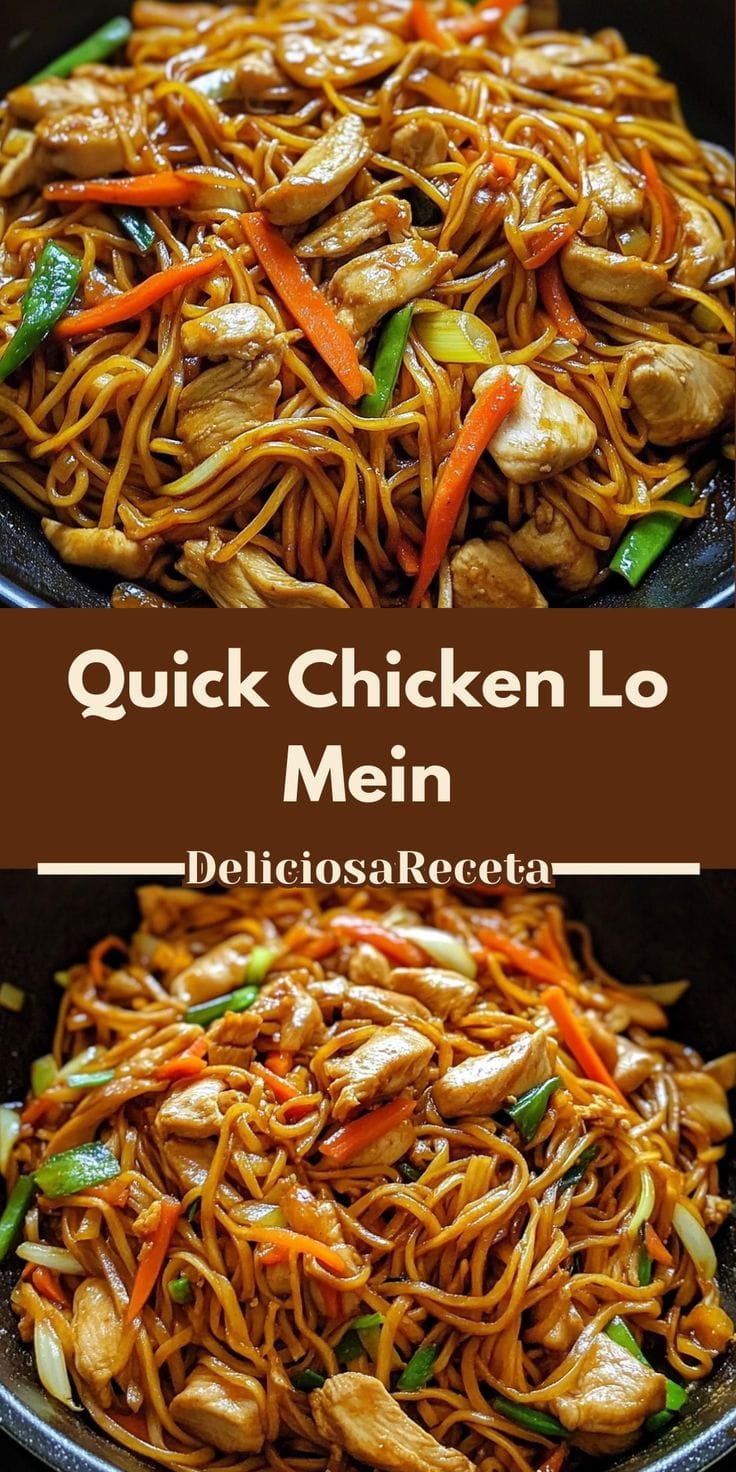

Remember that feeling when your favorite takeout arrives? The warm container, the incredible aroma, that first perfect bite. What if you could create that magic in your own kitchen?
I used to order this dish constantly until I discovered how simple it is to make at home. Now my takeout menus gather dust while my family enjoys restaurant-quality meals.
This fantastic dish comes together in just 30 minutes from start to finish. You’ll love how the savory sauce coats every strand of noodle and piece of chicken.
The best part? You control the ingredients. Add extra veggies, adjust the spice level, or make it exactly how you love it. No more waiting for delivery or paying premium prices.
Even if you’re new to cooking, this approach is straightforward and rewarding. You’ll feel like a professional chef creating something truly special.
Why You’ll Love This Easy Chicken Lo Mein Recipe
Weeknight dinners just got a major upgrade with this incredible noodle dish. You’ll create something truly special that beats any takeout experience.
The time savings alone will make this your new favorite. With just 10 minutes of prep time and about 20 minutes of cooking, you’ll have dinner ready faster than delivery could arrive.
Your wallet will thank you too. This homemade version costs significantly less than restaurant orders. You control the quality of every ingredient that goes into your meal.
Health benefits shine through when you make it yourself. Reduce sodium by adjusting the soy sauce and use less oil than typical takeout versions. Load it up with fresh veggies for extra nutrition.
- Customizable for any diet – gluten-free, vegetarian, or extra protein
- Perfect for using leftovers – toss in whatever veggies need using
- Family-approved – even picky eaters love the familiar flavors
- Meal prep friendly – make ahead for busy weeks
- Authentic taste without special equipment or hard-to-find ingredients
There’s genuine satisfaction in creating restaurant-quality food at home. The aromatic garlic and sesame oil will fill your kitchen with incredible scents.
This approach builds confidence in cooking Asian-inspired dishes. You’ll master techniques that apply to many other recipes too.
Fresh, homemade, and packed with flavor – no greasy or overly salty noodles here. Every component comes together beautifully in one satisfying dish.
What Makes Chicken Lo Mein Special
The world of Asian noodles offers endless varieties, but two stand out as perennial favorites. Understanding what sets them apart helps you appreciate the unique qualities of each preparation method.
Both dishes start with similar components but transform into distinct experiences through different cooking approaches. The techniques used create entirely different textures and flavor profiles.
Lo Mein vs Chow Mein: Understanding the Difference
Lo mein features soft egg noodles tossed with protein and vegetables in a generous, savory sauce. The name literally means “tossed noodles” which describes the gentle mixing technique.
Chow mein uses the same basic ingredients but undergoes longer frying. This creates slightly crispy noodles with a drier overall texture. The cooking method defines the final result.
The texture difference is immediately noticeable. Lo mein offers tender, saucy noodles that absorb the flavorful sauce. Chow mein provides a satisfying crunch with less liquid.
Many consider the saucy version slightly healthier. It typically uses less oil during preparation than the fried alternative. You also control the sodium levels when making it yourself.
Both dishes hold cultural significance in Chinese cuisine. They represent different regional preferences and cooking traditions. Each has its dedicated followers who appreciate their unique qualities.
The Signature Sauce That Makes It Irresistible
The magic of this dish lies in its perfectly balanced sauce. It combines savory and sweet elements that coat every ingredient beautifully.
Key components create depth of flavor. Soy sauce provides umami richness while sesame oil adds nutty aroma. Garlic and pepper contribute aromatic complexity.
Brown sugar plays a crucial role in Chinese cooking. It helps thicken the sauce naturally while promoting caramelization. This creates glossy, clingy sauce that coats everything perfectly.
Chicken broth forms the foundation of the liquid. It adds savory depth that water cannot provide. The combination creates harmony between all elements.
Marinating allows flavors to develop fully. Ingredients absorb the sauce, becoming more flavorful throughout. This creates cohesive taste in every bite.
The sauce clings perfectly to noodles and veggies. This ensures consistent flavor distribution. Every component benefits from the well-developed sauce.
This signature blend makes the dish comforting and satisfying. The balance keeps you coming back for more. It’s what transforms simple ingredients into something special.
Essential Ingredients for Perfect Chicken Lo Mein Great meals start with quality components. Selecting the right elements makes all the difference in creating an authentic experience.
Each ingredient plays a specific role in building layers of taste and texture. Understanding these roles helps you make smart substitutions when needed.
Choosing the Right Noodles
Traditional egg noodles provide the perfect foundation. Their slightly chewy texture holds up well against the savory sauce.
Look for fresh or dried varieties in the Asian aisle of your grocery store. Many markets now carry these specialty items.
Can’t find authentic options? No problem! Linguine or spaghetti work beautifully as substitutes. Just cook them al dente for the best results.
The Flavor-Packed Sauce Components
The secret sauce combines several key elements. Each brings something special to the final blend.
Soy sauce forms the savory base. Quality matters here – choose a good brand for depth of flavor.
Oyster sauce adds rich umami notes. Shaoxing wine contributes subtle sweetness and complexity.
Cornstarch is the magic thickener. It helps the sauce cling perfectly to every ingredient.
A touch of sugar balances the saltiness. Sesame oil provides that distinctive nutty aroma.
White pepper adds gentle heat without overwhelming other flavors.
Fresh Vegetables for Color and Crunch
Select crisp, vibrant produce for the best texture. Your choices add both nutrition and visual appeal.
Carrots bring sweetness and bright color. Snow peas contribute satisfying crunch.
Bell peppers offer mild sweetness and brilliant hues. Mushrooms provide meaty texture and earthy notes.
Baby bok choy adds delicate green leaves and crisp stems. Scallions contribute fresh onion flavor.
Feel free to swap based on what’s available. Broccoli, cabbage, or bean sprouts work wonderfully too.
Preparing Your Chicken Properly
Start with boneless, skinless chicken breasts. Look for plump, evenly-sized pieces for consistent cooking.
Slice against the grain into thin strips. This ensures tender results that blend perfectly with other components.
Marinate briefly in a bit of the sauce mixture. This step adds flavor throughout each piece.
Cook in a hot pan with just a little oil. You want golden brown edges without overcooking.
Set aside your cooked protein before adding vegetables. This prevents overcrowding and ensures everything cooks perfectly.
Kitchen Tools You’ll Need
Proper kitchen tools are the secret weapon behind every successful stir-fry creation. The right equipment helps you achieve perfect texture and flavor while making the process smoother and more enjoyable.
Having everything organized before you start cooking saves precious time and reduces stress. You’ll want to measure your ingredients and have them ready to go.
Wok vs Skillet: What Works Best
Traditional woks excel at stir-frying because of their curved design. The sloped sides make tossing veggies and protein effortless while distributing heat evenly.
If you don’t own a wok, a large skillet works perfectly well. Choose one that holds heat effectively and has enough surface area for all your ingredients.
Cast iron skillets maintain consistent temperature beautifully. Non-stick options require less oil but may not develop the same flavorful browning.
Essential Prep Tools
Sharp knives make preparation faster and safer. They create clean cuts that cook evenly and look professional.
Your essential toolkit should include:
- Quality cutting board with non-slip base
- Chef’s knife for slicing meat and vegetables
- Paring knife for detailed work
- Measuring cup and spoons for accuracy
- Mixing bowls for sauce preparation
- Tongs or chopsticks for gentle tossing
Follow package instructions for your noodles while you prepare other components. This ensures everything comes together at the right time.
Having your tools organized makes the entire cooking process flow smoothly. You can focus on technique rather than searching for equipment.
Set aside a few minutes to gather everything before you begin. This simple step transforms chaotic cooking into a calm, organized experience.
With the right tools in your pan or wok, you’ll create restaurant-quality results every time. Your equipment becomes an extension of your cooking skills.
Prep Work: Getting Everything Ready
Proper preparation transforms good cooking into great results. Taking a few extra minutes to organize pays off with better texture and flavor in your final dish.
Professional chefs call this “mise en place” – having everything in its place. This approach keeps your cooking process smooth and stress-free.
Slicing and Dicing Techniques
Uniform cutting ensures everything cooks evenly. Start with your carrots – slice them into 2-inch matchsticks for perfect texture.
Broccoli florets should be bite-sized. Cut onions into similar 2-inch pieces so they cook at the same rate as other veggies.
For your protein, slice against the grain into thin strips. This technique keeps the meat tender during quick cooking.
Keep all prepped ingredients in separate bowls. This organization helps when it’s time to add them to the pan.
Making the Lo Mein Sauce Ahead
Whisk brown sugar into chicken broth until fully dissolved. This creates a smooth base for your flavorful sauce.
Add soy sauce and sesame oil to the mixture. Letting this blend sit allows the flavors to develop more depth.
Preparing your sauce beforehand saves crucial cooking time. You can focus on the stir-fry process without stopping to measure ingredients.
Smart prep strategies make weeknight cooking effortless:
- Chop vegetables during weekend meal prep
- Store prepped ingredients in airtight containers
- Label everything with dates for freshness
- Keep sauces in squeeze bottles for easy pouring
Proper organization prevents overcooking and ensures perfect texture. You’ll achieve restaurant-quality results every time.
Good prep habits lead to consistent cooking success. Your finished dish will showcase beautiful, evenly cooked ingredients.
Cooking Your Noodles Perfectly

The foundation of any great noodle dish starts with perfectly cooked pasta. Getting this step right makes all the difference between a good meal and an exceptional one.
Your choice of noodles will determine the final texture and how well they hold the savory sauce. Different types require slightly different handling for optimal results.
Following Package Instructions
Always check your specific package for cooking time and instructions. Brands vary in thickness and composition, affecting how long they need to cook.
Bring a large pot of water to a rolling boil before adding your noodles. Salting the water generously helps season them from the inside out.
Fresh varieties typically cook in about 4 minutes, while dried options may need 8-10 minutes. Set a timer to avoid guessing.
Avoiding Overcooked Noodles
Test for doneness a minute before the suggested time. You want them firm yet tender – what chefs call “al dente.”
Drain immediately once cooked and toss with a teaspoon of oil to prevent sticking. Avoid rinsing as it removes the starch that helps sauce cling better.
If you accidentally overcook them, shock in ice water to stop the cooking process. They’ll still work in your recipe though the texture will be softer.
Coordinate your noodle cooking with other components. Have everything ready so you can combine while the noodles are still warm.
Properly cooked noodles absorb the flavorful sauce beautifully while maintaining their structure. This creates the perfect balance in every bite.
Sautéeing the Chicken to Perfection
Mastering the art of cooking poultry transforms your stir-fry from ordinary to extraordinary. The technique you use here creates the foundation for incredible flavor development throughout your dish.
Proper temperature control and timing ensure juicy, flavorful results every time. Let’s explore how to achieve that perfect golden sear.
Getting That Golden Brown Color
Start with a well-heated pan or wok over medium-high heat. Add your preferred high-smoke-point oil like avocado or peanut oil.
The Maillard reaction occurs when proteins meet high heat. This chemical process creates complex flavors and that beautiful brown crust.
Cook in batches if needed to avoid overcrowding. Too much chicken lowers the pan temperature and steams instead of sears.
Listen for the sizzle when you add your strips. That sound tells you the pan is hot enough for proper browning.
Knowing When It’s Perfectly Cooked
Cook your chicken for 5-6 minutes, stirring frequently. The exterior should show golden-brown spots while the interior remains slightly underdone.
Use visual cues rather than cutting into pieces. Properly cooked strips will feel firm yet slightly springy to the touch.
Internal temperature should reach 165°F when checked with a thermometer. Remember it will continue cooking when added back later.
Transfer to a clean plate and set aside once cooked. This prevents overcooking and keeps everything tender.
Common mistakes include moving the chicken too much or using insufficient heat. Allow pieces to develop that crust before turning.
Perfectly cooked poultry remains juicy and absorbs flavors beautifully. This technique ensures every bite delivers maximum satisfaction.
Your properly prepared protein now awaits its reunion with vegetables and noodles. The foundation for amazing chicken mein is complete.
Cooking the Vegetables
The vegetable preparation stage transforms simple produce into something magical. You’ll build layers of texture and flavor that make your dish truly special.
Strategic cooking order ensures everything reaches perfect doneness. Start with aromatics and work through vegetables based on their density.
Order of Cooking for Perfect Texture
Begin with onions in the flavorful chicken drippings. Cook them until golden brown to develop sweet, caramelized notes.
Remove onions and add your sliced carrots next. These denser vegetables need extra time to soften properly.
After 2-3 minutes, introduce broccoli florets. Their sturdy structure holds up well to moderate cooking time.
Now add your aromatic powerhouses. Fresh garlic and ginger release incredible fragrance when they hit the hot surface.
Include mushrooms and bell pepper at this stage. Their thinner walls cook quickly while absorbing surrounding flavors.
Finish with delicate snow peas and bok choy. These need just 2-3 minutes to wilt slightly while staying crisp.
Maintaining Crisp-Tender Veggies
High heat is your best friend here. It quickly cooks the exterior while keeping interiors slightly crunchy.
Constant tossing ensures even exposure to the hot surface. This prevents burning while promoting uniform cooking.
Watch for color changes as your guide. Vibrant greens brighten slightly when perfectly cooked.
Texture should offer gentle resistance when bitten. The term “crisp-tender” means cooked through yet still slightly firm.
Residual chicken flavor enhances the vegetable medley. Those browned bits create incredible depth in every bite.
Proper technique preserves nutrients and bright colors. Quick cooking locks in vitamins while maintaining visual appeal.
Your perfectly cooked vegetables now await their reunion with other components. They’ll bring fantastic texture and flavor to the final dish.
Bringing It All Together

This is where the magic truly happens. All your careful preparation comes together in one glorious moment of culinary harmony.
You’ve created individual components with perfect texture and flavor. Now watch them transform into something greater than the sum of their parts.
Combining Chicken and Vegetables
Return your cooked poultry and caramelized onions to the hot surface. Add all your colorful veggies back into the mix.
Gently fold everything together using tongs or a spatula. You want even distribution without breaking delicate components.
The aromas will intensify as flavors begin to meld. That beautiful sizzle means everything is heating perfectly.
Adding the Sauce and Simmering
Pour your prepared sauce mixture over the combined ingredients. Listen for that satisfying sizzle as it hits the hot surface.
Reduce the heat to medium and let everything simmer for about two minutes. This allows the sauce to thicken slightly and flavors to deepen.
Watch how the glossy sauce coats every piece beautifully. The cornstarch helps create that perfect clingy consistency.
If your mixture seems too dry, add a quarter cup of water or broth. This helps create enough liquid to coat all components evenly.
Tossing with Cooked Noodles
Add your perfectly cooked pasta to the skillet. Use a gentle folding motion to incorporate everything.
Lift from the bottom and turn over repeatedly. This technique ensures even sauce distribution without breaking strands.
Cook for just 1-2 minutes more while tossing constantly. The noodles will absorb the delicious sauce while maintaining their texture.
Your finished creation should glisten with sauce and smell incredible. Every component should be evenly coated and heated through.
Serve immediately while everything is hot and fresh. The textures are at their absolute peak right now.
Garnish with sesame seeds and fresh scallions for that final touch. You’ve just created restaurant-quality magic in your own kitchen.
Customizing Your Chicken Lo Mein
The beauty of this versatile dish lies in its adaptability. You can transform it to match any taste preference or dietary need while maintaining its delicious character.
Personalization makes each preparation unique to your kitchen. Explore these creative variations to make the recipe truly yours.
Vegetable Variations and Substitutions
Fresh produce offers endless possibilities for customization. Consider these excellent alternatives to standard vegetables.
Denser options like broccoli and carrots need earlier cooking. Add them right after your aromatics for proper softening.
Softer vegetables like mushrooms and bell peppers cook quickly. Introduce them midway through the vegetable cooking process.
Delicate greens like bok choy and bean sprouts require minimal heat. Toss them in during the final minutes to preserve texture.
Seasonal variations keep your meals exciting year-round:
- Spring: Asparagus tips and snap peas
- Summer: Zucchini and yellow squash
- Fall: Butternut squash and Brussels sprouts
- Winter: Kale and sweet potatoes
Always consider cooking times when substituting. Adjust your addition order based on each vegetable’s density.
Protein Alternatives to Chicken
Various proteins work beautifully in this preparation. Each option brings its unique qualities to the final dish.
Beef requires higher heat for proper searing. Slice against the grain into very thin strips for tenderness.
Shrimp cooks incredibly quickly – just 2-3 minutes per side. Add them later in the process to prevent overcooking.
Pork benefits from slightly longer cooking times. Aim for internal temperature of 145°F for perfect doneness.
Firm tofu needs thorough pressing before cooking. Marinate it well to absorb maximum flavor from your sauce.
Turkey cooks similarly to poultry but dries out faster. Monitor it carefully and remove from heat promptly.
Adjust cooking times based on your protein choice. Thicker cuts need more time while delicate seafood cooks rapidly.
Dietary Modifications
Accommodating special diets is simple with smart substitutions. You can enjoy this delicious dish regardless of dietary restrictions.
Gluten-free options work beautifully. Use rice noodles instead of traditional egg varieties.
Replace regular soy sauce with tamari or coconut aminos. These alternatives provide similar flavor without gluten.
For egg-free preparations, choose pasta without egg content. Linguine, rice noodles, or soba work perfectly.
Soy-free versions use coconut aminos or liquid aminos. These provide the umami depth without soy products.
Reduce sodium by using low-sodium broth and sauces. You control the salt level completely when making it yourself.
Add heat with chili oil, sriracha, or red pepper flakes. Adjust the spice level to your personal preference.
Vegetarian versions skip animal proteins entirely. Load up on mushrooms and tofu for satisfying substance.
Vegan preparations exclude all animal products. Use vegetable broth and ensure your noodles contain no eggs.
Every modification maintains the dish’s essential character. You’ll create something delicious that meets your specific needs.
Serving Suggestions and Presentation
The final presentation transforms your homemade creation into a restaurant-worthy experience. Thoughtful plating and garnishing elevate your meal from simple to spectacular.
Your beautifully cooked noodles deserve an equally beautiful presentation. The right techniques make your dish look as good as it tastes.
Garnishing for Maximum Appeal
Fresh garnishes add color, texture, and extra flavor to your finished meal. They create visual interest that makes your creation photo-ready.
Chopped scallions provide bright green contrast against the sauce-coated noodles. Their mild onion flavor complements the savory notes perfectly.
Black sesame seeds offer subtle crunch and visual appeal. They create beautiful specks against the glossy surface.
Additional garnishing ideas include:
- Fresh cilantro leaves for herbal brightness
- Thinly sliced red chili peppers for color and heat
- Toasted sesame seeds for nutty aroma
- Bean sprouts for extra crunch
- Lime wedges for squeezing over the top
Arrange garnishes strategically rather than scattering randomly. Place them where they’ll be most visible when served.
Side Dish Recommendations
While your main dish stands perfectly on its own, complementary sides create a complete dining experience. Choose options that balance flavors and textures.
Crispy crab puffs offer delightful contrast to the soft noodles. Their light, airy texture complements the heartier main component.
Korean air fryer pork ribs bring smoky, savory notes to the meal. Their rich flavor pairs wonderfully with the lighter chicken mein.
Spring rolls with salmon provide elegant sophistication. Their crisp wrapper and delicate filling create textural variety.
| Side Dish | Flavor Profile | Preparation Time | Best For |
|---|---|---|---|
| Crab Puffs | Light, crispy, savory | 15 minutes | Quick weeknight meals |
| Air Fryer Ribs | Smoky, sweet, tender | 25 minutes | Weekend gatherings |
| Salmon Spring Rolls | Fresh, crisp, delicate | 20 minutes | Special occasions |
| Steamed Dumplings | Savory, soft, comforting | 12 minutes | Family dinners |
| Asian Slaw | Tangy, crunchy, refreshing | 10 minutes | Light summer meals |
For beverage pairings, consider green tea or light lager beer. Both cleanse the palate between bites without overpowering the flavor.
Use large serving bowls or individual pasta plates for presentation. Tongs or serving spoons make portion control easy for guests.
Keep your meal warm by serving immediately after cooking. Use warmed plates to maintain temperature longer.
For photography, natural light showcases the glossy sauce best. Arrange veggies and protein visibly on top.
Your beautifully presented meal will rival any takeout experience. The careful attention to detail makes every bite special.
Storing and Reheating Leftovers
Your delicious creation deserves proper care even after the meal ends. Smart storage and reheating techniques preserve that fresh-cooked quality for days to come.
Proper Storage Techniques
Cool your cooked dish completely before storing. This prevents condensation that can make noodles soggy in the container.
Use an airtight container to maintain freshness. Glass containers work best as they don’t absorb odors or stains.
Separate components if possible. Store sauce and veggies separately from noodles for optimal texture preservation.
Your leftovers stay fresh for 3-4 refrigerator days. Always label containers with the date to track freshness.
Freezing isn’t recommended for this recipe. The noodles become mushy upon thawing and lose their perfect texture.
Best Reheating Methods
The stovetop method delivers superior results. Heat a tablespoon of oil in your skillet over medium heat.
Add leftovers and toss constantly for 2-3 minutes. This restores that fresh-cooked texture and flavor.
For microwave reheating, add a splash of water. Cover loosely and heat in 30-second intervals, stirring between each.
Refresh leftovers with a drizzle of fresh sauce. A quick stir brings back that glossy, restaurant-quality appearance.
Portion leftovers before storing. This makes reheating faster and more efficient for busy weeknights.
Always check temperature before serving. Reheat until steaming hot throughout for food safety.
Discard any leftovers that develop off odors. When in doubt, follow the golden rule: when unsure, throw it out.
With these simple instructions, your second helping will taste just as amazing as the first. Enjoy your delicious creation all over again!
Pro Tips for Restaurant-Quality Results
Elevating your home cooking to professional standards requires mastering a few key techniques. These insider secrets will transform your approach and deliver consistently amazing outcomes every time you cook.
Timing and Organization Strategies
Professional chefs swear by the “mise en place” method. This French term means having all your ingredients measured, cut, and prepared before heating your pan.
Follow your recipe instructions precisely for optimal timing. Cook your noodles according to package directions while preparing other components.
Organize ingredients by cooking order near your stove. This prevents frantic searching and ensures everything gets added at the perfect moment.
Use these timing strategies for flawless coordination:
- Start boiling water for pasta first
- Marinate protein while prepping vegetables
- Mix sauce components in a measuring cup
- Have serving dishes ready before cooking begins
- Set timers for each cooking stage
Common Mistakes to Avoid
Overcrowding the cooking surface is the most frequent error. Too many ingredients lower the heat dramatically, causing steaming instead of proper searing.
Insufficient heat prevents that authentic restaurant character. Your skillet or wok should be properly preheated before adding any oil or food.
Neglecting constant stirring leads to uneven cooking. Keep ingredients moving for consistent texture and perfect doneness.
Avoid these additional pitfalls for better results:
- Overcooking pasta – follow package timing exactly
- Adding sauce too early – wait until final combination
- Using wrong oil – choose high smoke point varieties
- Skipping tasting – adjust seasoning throughout process
- Rushing preparation – proper prep prevents problems
Mastering high-temperature cooking creates that sought-after wok hei flavor. This technique involves quick cooking at extreme heat that caramelizes sugars and develops complex flavor profiles.
Prevent soggy vegetables by cooking them quickly at high temperature. Mushy noodles result from overcooking or improper draining after boiling.
Secret professional touches include a dash of Shaoxing wine and toasted sesame oil added at the end. A pinch of sugar balances salty elements beautifully.
Adjust your burner throughout the cooking process. Start high for searing, then moderate for simmering the final sauce.
Taste your creation at multiple stages. Adjust seasoning with extra soy sauce, a splash of vinegar, or more garlic as needed.
These techniques ensure your homemade version rivals your favorite restaurant experience. Your dedication to proper method rewards you with incredible flavor and perfect texture every time.
Conclusion: Your New Go-To Weeknight Dinner
This savory noodle dish transforms hectic evenings into enjoyable meals. You’ll love how quickly it comes together with simple ingredients from your pantry.
Customize with your favorite veggies or proteins for endless variety. The rich flavor beats any takeout experience while saving you money.
Share your creations online and inspire others to try this approach. Cooking at home brings genuine satisfaction and family connection.
Your kitchen adventures await! Grab your skillet and start creating delicious memories tonight.
FAQ
Can I use a different type of noodle if I can’t find lo mein noodles?
Absolutely! You can substitute with spaghetti, linguine, or even udon noodles. Just be sure to cook them according to the package instructions for the best texture.
How do I prevent the noodles from sticking together?
After cooking, rinse them briefly under cold water and toss with a little sesame oil. This stops the cooking process and keeps them from clumping as you prepare the rest of your ingredients.
Is there a way to make this dish gluten-free?
Yes! Use tamari or a certified gluten-free soy sauce, and choose rice noodles or another gluten-free noodle option. Always check labels to ensure all your sauce components meet your dietary needs.
What’s the best way to store leftovers?
Keep them in an airtight container in the refrigerator for up to 3 days. Reheat in a skillet over medium heat with a splash of water or broth to keep everything moist.
Can I add other vegetables to this recipe?
A> Of course! Bell peppers, broccoli, snap peas, or bok choy all work wonderfully. Just remember to adjust cooking times based on how crisp or tender you like your veggies.
Why is my sauce sometimes too thin?
If your sauce isn’t thickening up, try mixing a teaspoon of cornstarch with a tablespoon of cold water and stirring it in during the last minute of cooking. It will help thicken the sauce nicely.

Delicious Grilled Salmon Dishes You’ll Love
Are you looking for a healthy and flavorful meal option? Grilled salmon is an excellent choice, offering a delicious and versatile dish that can be prepared in numerous ways. Whether you’re a seasoned chef or a beginner in the kitchen, you’ll appreciate the simplicity and taste of a well-cooked salmon fillet.
You can enjoy salmon in a variety of dishes, from classic lemon-herb recipes to more adventurous Asian-inspired flavors. The key to a great grilled salmon is in the preparation and the quality of the ingredients. With a few simple tips, you can create a mouth-watering meal that will impress your family and friends.
Key Takeaways
- Grilled salmon is a healthy and flavorful meal option.
- Salmon can be prepared in numerous ways to suit different tastes.
- The key to a great grilled salmon lies in its preparation and ingredient quality.
- You can create a variety of dishes with salmon, from classic to adventurous recipes.
- Grilled salmon is perfect for both beginners and experienced chefs.
Introduction to Grilled Salmon
If you’re looking for a dish that’s both healthy and delicious, grilled salmon is an excellent choice. Grilled salmon is not only a treat for the taste buds but also packed with nutrients.
Why Grilled Salmon is a Perfect Choice
Grilled salmon stands out as a perfect choice for many reasons. Firstly, it’s incredibly easy to prepare, making it ideal for easy salmon dishes. You can season it with your favorite herbs and spices, and with a few simple steps, you have a delicious meal. Moreover, grilled salmon is versatile; it can be paired with a variety of sides, from salads to roasted vegetables, making it a great option for any meal.
Nutritional Benefits of Salmon
Salmon is renowned for its high nutritional value. It’s an excellent source of protein and rich in omega-3 fatty acids, which are essential for heart health and brain function. Including grilled salmon in your diet can help reduce inflammation and improve overall health. Here are some key nutritional benefits:
- High-quality protein
- Rich in omega-3 fatty acids
- Good source of vitamins and minerals
By incorporating grilled salmon into your meal plan, you’re not only enjoying a delicious dish but also reaping its numerous health benefits. Whether you’re looking for best grilled salmon recipes or simply want to eat healthier, grilled salmon is a great option.
Classic Grilled Salmon Recipes
Classic grilled salmon recipes are a great way to enjoy this healthy grilled salmon that’s both delicious and nutritious. Two standout recipes are Lemon Herb Grilled Salmon and Teriyaki Grilled Salmon, both of which bring out the best flavors in this versatile fish.
Lemon Herb Grilled Salmon
Lemon Herb Grilled Salmon is a refreshing and flavorful dish that’s perfect for summer. To make it, you’ll need:
- 4 salmon fillets (6 oz each)
- 1/4 cup freshly chopped herbs (like parsley, dill, or thyme)
- 2 lemons, juiced
- 2 cloves garlic, minced
- Salt and pepper to taste
Preheat your grill to medium-high heat. In a small bowl, mix together the chopped herbs, lemon juice, and garlic. Brush the mixture onto both sides of the salmon fillets. Season with salt and pepper to taste. Grill the salmon for 4-6 minutes per side, or until it reaches your desired level of doneness.
“The key to a great grilled salmon is to not overcook it,” says Chef John Doe. “A nice char on the outside with a tender interior is what you’re aiming for.”
Teriyaki Grilled Salmon
Teriyaki Grilled Salmon is a sweet and savory dish that’s sure to become a favorite. To prepare it, you’ll need:
- 1/2 cup teriyaki sauce
- 1/4 cup soy sauce
- 2 tbsp brown sugar
- 2 cloves garlic, minced
- 4 salmon fillets (6 oz each)
In a large bowl, whisk together the teriyaki sauce, soy sauce, brown sugar, and garlic. Add the salmon fillets and marinate for at least 30 minutes, or up to 2 hours in the refrigerator. Preheat your grill to medium-high heat. Remove the salmon from the marinade, letting any excess liquid drip off. Grill the salmon for 4-6 minutes per side, or until cooked through.
As Jane Smith, a food critic, notes, “Teriyaki grilled salmon is a crowd-pleaser, with its sweet and savory flavors complementing the rich taste of the salmon.”
Unique Flavor Combinations
Grilled salmon is a versatile dish that can be transformed with a variety of unique flavor combinations. You can experiment with different marinades, seasonings, and sauces to create salmon meal ideas that are both delicious and innovative.
One way to add flavor to your grilled salmon is by using herbs and spices. For example, you can create a Mediterranean-inspired dish by combining salmon with olives, artichoke hearts, and sun-dried tomatoes.
Mediterranean Grilled Salmon with Olives
This flavor combination is perfect for those who love the bold flavors of the Mediterranean. To make it, you’ll need:
- 4 salmon fillets
- 1/4 cup pitted and sliced olives
- 2 cloves garlic, minced
- 1 tablespoon olive oil
- 2 tablespoons fresh oregano, chopped
- Salt and pepper to taste
Mix the olives, garlic, olive oil, and oregano in a bowl. Brush the mixture onto the salmon fillets and grill until cooked through. Serve with a side of quinoa or roasted vegetables.
Spicy Jalapeño Grilled Salmon
If you like a little heat in your grilled fish recipes, this spicy jalapeño grilled salmon is a great option. The combination of jalapeño peppers, lime juice, and cilantro creates a bold and refreshing flavor profile.
To make it, you’ll need:
- 4 salmon fillets
- 1/4 cup jalapeño peppers, sliced
- 2 tablespoons lime juice
- 1/4 cup chopped cilantro
- 2 cloves garlic, minced
- Salt and pepper to taste
Mix the jalapeño peppers, lime juice, cilantro, and garlic in a bowl. Brush the mixture onto the salmon fillets and grill until cooked through. Serve with a side of grilled vegetables or a salad.
These unique flavor combinations will elevate your grilled salmon dishes and provide you with new salmon meal ideas to impress your family and friends.
Marinades to Elevate Your Grilled Salmon

Marinades can transform your grilled salmon into a culinary masterpiece. By incorporating the right ingredients, you can enhance the natural flavors of the salmon and create a truly delicious seafood recipe. In this section, we’ll explore two mouth-watering marinade recipes that will take your grilled salmon to the next level.
Honey Garlic Marinade
A honey garlic marinade adds a sweet and savory flavor to your grilled salmon. To make this marinade, you’ll need:
- 1/4 cup honey
- 2 cloves garlic, minced
- 2 tablespoons soy sauce
- 1 tablespoon olive oil
- 1 teaspoon dried thyme
Mix these ingredients together and brush the marinade onto your salmon fillets before grilling. The honey will caramelize, creating a sticky glaze that complements the rich flavor of the salmon.
Soy Ginger Marinade
For a more Asian-inspired flavor, try a soy ginger marinade. This marinade combines:
- 1/2 cup soy sauce
- 1/4 cup rice vinegar
- 2 tablespoons grated ginger
- 2 cloves garlic, mined
- 1 tablespoon honey
Whisk these ingredients together and pour the marinade over your salmon fillets. The soy sauce and ginger will infuse the salmon with a deep, savory flavor that’s perfect for a delicious seafood recipe.
Both of these marinades are easy to make and can be adjusted to suit your taste preferences. Experiment with different ingredients and flavor combinations to find your new favorite grilled salmon recipe.
Sides that Pair Well with Grilled Salmon
To complement the rich flavor of grilled salmon, you’ll want side dishes that are both fresh and flavorful. The right accompaniments can enhance the dining experience, making your meal more enjoyable and satisfying.
Fresh Garden Salad
A fresh garden salad is a light and refreshing choice to pair with grilled salmon. You can customize it with your favorite greens, vegetables, and dressings. Consider adding some crunchy elements like nuts or seeds, and a tangy vinaigrette to cut through the richness of the salmon.
For a more substantial salad, add some grilled or roasted vegetables like bell peppers, zucchini, or cherry tomatoes. This not only adds texture but also complements the smoky flavor of the grilled salmon.
Grilled Asparagus
Grilled asparagus is another excellent side dish that pairs well with grilled salmon. The slightly charred flavor of asparagus complements the salmon’s rich taste. Simply brush the asparagus spears with olive oil, season with salt, pepper, and any other desired herbs, and grill them until tender.
You can also add a squeeze of fresh lemon juice over the grilled asparagus for an extra burst of flavor. This simple yet elegant side dish is sure to impress and pairs perfectly with your delicious grilled salmon dishes.
When planning your meal, consider these side dishes as part of your salmon recipes. They not only complement the flavors but also add variety to your meal, making it more enjoyable and satisfying.
Tips for Perfectly Grilling Salmon
Grilling salmon to perfection requires attention to detail and a few simple tips. To achieve a deliciously cooked fillet, you need to start with the right ingredients and techniques.
Choosing the Right Salmon Fillet
The type of salmon fillet you choose can significantly impact the final result. Look for fresh, high-quality fillets with a thickness of around 1-1.5 inches. This thickness allows for even cooking and helps prevent the salmon from becoming too dry.
Key characteristics of a good salmon fillet:
- Freshness: Ensure the fillet is fresh and has a pleasant smell.
- Thickness: Opt for fillets that are around 1-1.5 inches thick.
- Fat content: Salmon with a higher fat content tends to be more flavorful and moist.
Ideal Grill Temperature
Maintaining the ideal grill temperature is crucial for cooking salmon to perfection. Preheat your grill to a medium-high heat, around 400°F to 450°F (200°C to 230°C). This temperature range allows for a nice sear on the outside while cooking the inside to the desired level of doneness.
Tips for achieving the perfect grill temperature:
- Preheat the grill for at least 10-15 minutes before cooking.
- Use a thermometer to ensure the grill is at the correct temperature.
- Adjust the grill grates to prevent the salmon from sticking.
Creative Serving Ideas
Discover new ways to enjoy healthy grilled salmon with our flavorful serving suggestions. Grilled salmon is not just a dish; it’s a canvas waiting for your creativity. Whether you’re looking for a quick weeknight meal or a show-stopping dinner party idea, we’ve got you covered.
One of the most exciting ways to serve grilled salmon is by incorporating it into international cuisines. For instance, you can create salmon tacos that are both healthy and flavorful.
Salmon Tacos with Avocado Salsa
Transform your grilled salmon into a Mexican-inspired dish by serving it in tacos. Top it with a fresh avocado salsa made with ripe avocados, red onions, cilantro, and a squeeze of lime juice. This combination not only tastes amazing but is also packed with nutrients.
- Grilled salmon fillet
- Corn tortillas
- Avocado salsa
- Shredded lettuce
- Diced tomatoes
Grilled Salmon on Quinoa Bowls
Another great way to serve grilled salmon is on a bed of quinoa, creating a nutritious and filling meal. Add some roasted vegetables like asparagus or Brussels sprouts to make it even more wholesome. Drizzle with a lemon-tahini dressing for an extra burst of flavor.
- Cook quinoa according to package instructions
- Top with grilled salmon
- Add roasted vegetables
- Drizzle with lemon-tahini dressing
These creative serving ideas will not only make your grilled salmon dishes more exciting but also ensure you’re serving healthy and flavorful meals to your family and friends.
Seasonal Variations of Grilled Salmon

As the seasons change, you can easily adapt your grilled salmon recipes to incorporate fresh, seasonal ingredients. This approach not only keeps your meals exciting but also ensures that you’re using the freshest produce available. Grilled salmon is a versatile canvas that can be transformed with the flavors of the season.
Summer Grilled Salmon with Stone Fruit
Summer is the perfect time to pair grilled salmon with stone fruits like peaches, nectarines, or plums. The sweetness of these fruits complements the richness of the salmon, creating a delightful flavor combination. Try grilling slices of stone fruit alongside your salmon and serving them together with a drizzle of balsamic glaze.
“The sweetness of the stone fruit pairs beautifully with the smokiness of the grilled salmon,” says Chef Jamie Oliver. “It’s a match made in heaven for a summer barbecue.”
Autumn-Inspired Grilled Salmon with Pumpkin
As autumn arrives, consider incorporating pumpkin into your grilled salmon dishes. Roasted pumpkin can be used in a variety of ways, such as in a salad or as a side dish. The earthy sweetness of pumpkin pairs well with the savory flavor of salmon. You can also use pumpkin puree as a base for a marinade, adding spices like cinnamon and nutmeg for extra depth.
- Grill salmon fillets and serve with roasted pumpkin and sage.
- Use pumpkin puree in a marinade with maple syrup and soy sauce.
- Top grilled salmon with a salsa made from diced pumpkin, onions, and jalapeños.
By embracing seasonal ingredients, you can keep your grilled salmon recipes fresh and exciting throughout the year. Whether it’s the sweetness of summer stone fruits or the earthiness of autumn pumpkin, there’s always a new flavor combination to explore.
Cooking Equipment for Grilling Salmon
The key to delicious grilled salmon lies in the cooking equipment you use. Grilling salmon to perfection requires a combination of the right grill and appropriate tools.
When it comes to grilling, the type of grill you use can significantly impact the flavor and texture of your salmon. There are several options available, each with its unique benefits.
Best Grills for Salmon Dishes
For grilling salmon, you can choose between gas, charcoal, or electric grills. Gas grills offer precise temperature control, which is crucial for cooking salmon evenly. Charcoal grills, on the other hand, provide a smoky flavor that many find appealing. Electric grills are convenient and easy to clean, making them a good option for those who grill frequently.
As noted by grill experts, “The right grill can make all the difference in the taste and texture of your grilled salmon.”
“A good grill is like a good kitchen knife – it’s an extension of your cooking self.”
Necessary Tools and Accessories
In addition to a good grill, you’ll need some essential tools and accessories to grill salmon effectively. These include a grill mat to prevent sticking, grilling tongs for handling the fish, and a meat thermometer to ensure the salmon is cooked to a safe internal temperature.
- A grill mat for preventing the salmon from sticking to the grates.
- Grilling tongs for gently turning the salmon.
- A meat thermometer to check for doneness.
- Aluminum foil or a fish basket for easier cooking and cleanup.
By investing in the right cooking equipment and tools, you can elevate your grilled salmon dishes and achieve professional-quality results at home.
Conclusion: Enjoying Your Grilled Salmon
Now that you’ve explored the world of grilled salmon, it’s time to make it a staple in your kitchen. With its numerous health benefits and versatility in recipes, healthy grilled salmon is an excellent choice for any meal.
Creating a Family Tradition
Grilled salmon can become a beloved family tradition. Try preparing easy salmon dishes together, like lemon herb or teriyaki grilled salmon, and enjoy quality time with your loved ones.
Exploring New Flavors
Don’t be afraid to experiment with new flavors and ingredients to keep your grilled salmon exciting. From Mediterranean olives to spicy jalapeño, the possibilities are endless, and you can always find inspiration in the various marinades and seasonings available.
By incorporating grilled salmon into your meal routine, you’ll not only be enjoying a delicious dish but also a nutritious one. So, fire up your grill and start creating your own easy salmon dishes today!
FAQ
What are some easy salmon dishes I can make?
What are the best grilled salmon recipes for a healthy meal?
How can I add unique flavors to my grilled salmon?
What are some flavorful salmon dishes I can serve at a dinner party?
How do I grill salmon to perfection?
What are some good salmon meal ideas for a weeknight dinner?
Can I use different types of salmon for grilling?
How can I incorporate seasonal ingredients into my grilled salmon recipes?
