 Skip to content
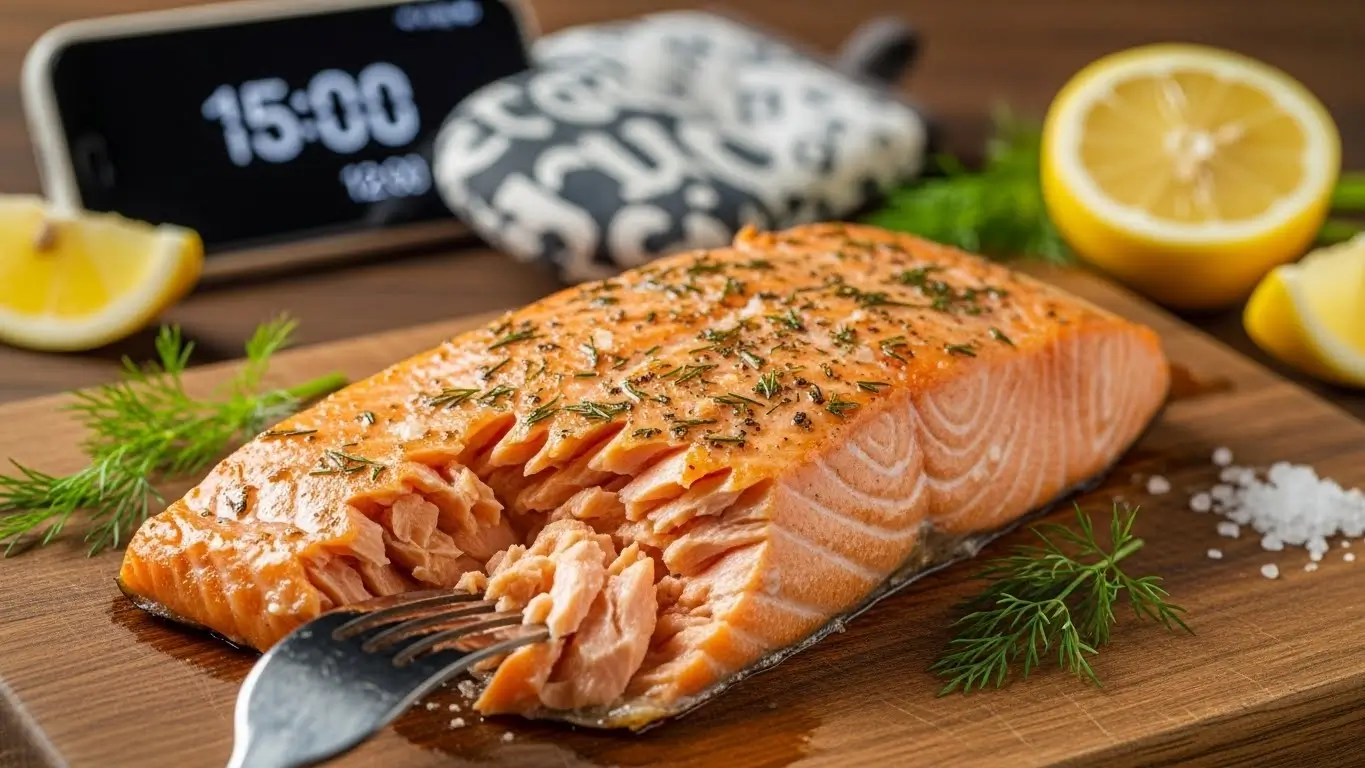
There’s something truly special about pulling a beautifully prepared fish from your kitchen appliance. The aroma fills your home with warmth and promise. That first flaky, tender bite feels like a small triumph.
This rich, flavorful seafood is a favorite for good reason. It delivers incredible taste alongside serious health benefits. Getting it just right in your home oven, however, requires a bit of know-how.
Mastering the timing and temperature transforms this simple dish. You avoid the common pitfalls of dryness or under-doneness. With the right guidance, you can achieve moist, flavorful results every single time.
Whether you’re planning a fancy dinner or a quick weeknight meal, this guide has you covered. We’ll explore different techniques to match your needs. From low-and-slow for ultimate juiciness to high-heat for speed, you’ll find your perfect method.
Key Takeaways
How Long to Cook Salmon in the Oven: The Essential Answer
The clock on your oven isn’t the only factor determining when your fish is ready. Baking duration depends primarily on your chosen temperature and the thickness of your fillet. There’s no single universal number of minutes that fits every scenario.
At 275°F, the low-and-slow method favored by chefs, your fillet typically needs 9-11 minutes. This approach yields medium-rare doneness with an internal temperature around 125°F. The result is exceptionally moist and tender.
For a classic bake at 350°F, plan for about 25 minutes for a substantial 3-pound piece. The target internal temperature here is 145°F. This reliable middle ground works well for family dinners.
The quick, high-heat approach at 425°F speeds things up considerably. Individual portions usually bake for 6-9 minutes. Thinner cuts will be done faster than thicker ones.
These times are helpful guidelines, not strict rules. Visual and tactile tests are equally important for determining perfect doneness. The thickest part should flake easily when tested with a fork.
Watch the flesh transform from translucent to opaque as it roasts. If you see white albumin proteins appearing, the fillet is slightly overcooked. This visual cue helps you gauge progress without opening the oven frequently.
Remember that residual heat continues the cooking process after removal. It’s wise to take your fish out slightly before it reaches the target temperature. Let it rest for a few minutes to finish gently.
Using an instant-read thermometer provides the most accurate way to check. This tool takes the guesswork out of baking salmon. Insert it into the thickest part for a reliable reading.
Mastering these variables ensures your seafood turns out perfectly every time. Whether you prefer medium-rare or fully cooked, understanding the relationship between heat, thickness, and minutes is key.
What Determines Your Salmon’s Baking Time?
Three key variables dictate the precise duration your fish needs in the heat. It’s a balance of physical size, applied temperature, and starting condition.
Relying on a single timer setting leads to inconsistent results. Understanding these elements lets you adapt any recipe for perfect doneness.
- Thickness and Size of the Fillet
- Your Oven’s Temperature Setting
- Starting Temperature: Fresh vs. Frozen
Thickness and Size of the Fillet
This is the most significant factor. Heat must penetrate to the center of the thickest part.
A substantial, three-pound whole fillet requires about 25 minutes at 350°F. Individual one-inch thick portions need just 6 to 9 minutes at a higher heat.
Thicker cuts simply need more time. A thin piece will be done much faster than a thick steak, even at the same oven temperature.
Your Oven’s Temperature Setting
The heat level you choose dramatically changes the clock. A low 275°F roast requires a precise 9 to 11 minutes.
This gentle approach protects the delicate flesh and fat. A hot 425°F blast cooks the same fillet in under 10 minutes.
Your setting is a direct dial for speed and texture. Higher temperatures cook faster but demand closer monitoring.
Starting Temperature: Fresh vs. Frozen
Beginning with a frozen fillet adds considerable time. The oven must thaw the fish before it can start cooking it.
For even results and the best flavor, fully thaw your salmon first. Pat it dry thoroughly to remove excess moisture.
If baking from frozen, expect to add 5 to 10 extra minutes. The skin side should be placed down on the pan.
Secondary details also play a role. A fattier cut may need a slight adjustment. The presence of skin can insulate the bottom flesh.
Finally, know your appliance. Oven calibration varies, and hot spots exist. Learning your oven’s characteristics is valuable for consistent success.
Master these variables. You will adjust baking times confidently, moving beyond rigid recipe timings.
The Low and Slow Method for Ultimate Juiciness
For unparalleled moistness and delicate texture, professional chefs swear by a gentle roasting technique. This approach prioritizes patience, allowing the fillet’s natural qualities to shine. The result is exceptionally tender seafood with a perfect flaky texture.
All four culinary experts agree on this method’s superiority. It consistently yields juicy, flavorful fillets that rival restaurant offerings. The key lies in precise temperature control and timing.
Step-by-Step: Roasting at 275°F
Begin by preheating your appliance to 275°F. Line a baking sheet with parchment paper for easy cleanup.
Place your fillet skin-side down on the prepared sheet. This position protects the delicate flesh during the extended baking period.
Roast for 9-11 minutes, depending on thickness. Use an instant-read thermometer to check progress.
The target internal temperature is approximately 125°F. This creates a medium-rare finish that chefs consider ideal.
Low heat allows natural fats to render gradually. They don’t seize up or escape too quickly. This process preserves moisture and develops rich flavor.
Finishing with the Broiler
After slow roasting, crank up the broiler for 1-2 minutes. Watch closely to achieve a golden crust without overcooking.
This quick blast adds visual appeal and textural contrast. The interior remains moist and tender from the gentle roasting.
An added benefit is reduced kitchen odors. Lower baking temperatures minimize fishy smells during preparation.
Always let your finished dish rest briefly. This allows juices to redistribute throughout the fillet for maximum tenderness.
While this technique takes slightly more time, the exceptional results justify it. Use melted butter with fresh herbs, lemon, and garlic for enhanced taste.
Perfect for special occasions, this method delivers restaurant-quality baked salmon at home. Your fish will be moist, flavorful, and impressively tender every single time.
The Classic Bake: A Reliable Middle Ground
When you need a dependable dinner solution that delivers consistent results, the classic 350°F bake method stands out as your go-to approach. This technique balances excellent flavor with straightforward preparation. It works perfectly for weeknight meals and family gatherings alike.
You achieve moist, flaky fish without the intensive monitoring required by other methods. The moderate temperature allows flavors to develop beautifully. Many home cooks consider this their default baking technique for good reason.
Ingredients for a Flavorful Classic Bake
Gathering the right ingredients sets the foundation for success. This recipe combines simple elements that create a complex taste. Each component plays a specific role in the final dish.
You will need one large skin-on salmon fillet, about three pounds. This size typically serves four people comfortably. Select high-quality, fresh fish for the best outcome.
The seasoning blend includes kosher salt and freshly ground black pepper. These basics enhance the natural flavors of the seafood. Use them generously but thoughtfully.
For the aromatic elements, gather two cloves of garlic, finely chopped. Fresh garlic provides a pungent, savory note that complements the rich fish. Two lemons, thinly sliced, add bright acidity.
The sauce features six tablespoons of unsalted butter, melted. Two tablespoons of honey provide subtle sweetness. This combination creates a delicious glaze during baking.
Herbs include one teaspoon each of dried oregano and finely chopped fresh thyme. Fresh parsley adds color and freshness when serving. You can adjust these herbs based on your preference.
Baking Time and Doneness at 350°F
Begin by preheating your oven to 350°F. This moderate temperature is the heart of the classic method. It cooks the fillet evenly without rushing the process.
Prepare your baking sheet with a layer of foil, then parchment paper. This double layer prevents the lemon slices from interacting with the foil. It also makes cleanup remarkably easy.
Arrange the lemon slices in a single layer on the parchment. Place the seasoned salmon fillet skin-side down on top. Coat the fish thoroughly with the garlic–butter-honey-herb sauce.
Place the sheet in the preheated oven. A three-pound fillet requires approximately 25 minutes at this temperature. The exact time may vary slightly based on your specific appliance.
Check for doneness when the thickest part flakes easily with a fork. The target internal temperature is 145°F. The flesh should appear opaque throughout.
This recipe yields four generous servings. Total preparation time is about 35 minutes, with just 10 minutes of active prep. The efficiency makes it ideal for busy schedules.
The butter-honey-herb mixture creates a caramelized glaze during roasting. It enhances the natural flavor of the salmon while locking in moisture. Your finished baked salmon will have impressive visual appeal.
Feel free to experiment with variations. Use olive oil instead of butter for a different flavor profile. Try different herb combinations like dill or rosemary.
Adjust the sweetness level by reducing or omitting the honey. Some cooks add a pinch of sugar to balance acidity. The basic method remains wonderfully adaptable.
Home cooks consistently praise this approach for its reliability. It delivers restaurant-quality baked salmon with minimal fuss. The results please both casual diners and discerning palates.
This classic recipe has earned its place as a kitchen staple. It proves that exceptional meals don’t require complicated techniques. With these ingredients and simple steps, you create a memorable dish every time.
The Quick, High-Heat Approach
The quick, high-heat method transforms salmon into a weeknight hero, offering restaurant-quality results with minimal effort. This technique delivers moist, flavorful fillets in record time. It’s perfect for those evenings when you need a healthy protein fast.
Blasting your fillet at 425°F creates a delicious dinner in under 15 minutes total. The high temperature quickly sears the exterior while keeping the interior tender. This approach requires precise timing but rewards you with efficiency.
Many home cooks prefer this method for its speed and simplicity. You achieve beautiful browning without complicated steps. The result is impressive enough for guests yet easy enough for busy nights.
Preparation for High-Heat Baking
Proper setup ensures success with this rapid cooking technique. Begin by preheating your appliance to 425°F. This high temperature is crucial for the quick searing effect.
Line a baking sheet with parchment paper for easy cleanup. The parchment prevents sticking without adding extra fat. It also promotes even browning across the fillet’s surface.
Pat your salmon completely dry with paper towels. Moisture on the surface creates steam instead of that desirable crust. Dry fillets achieve better caramelization and texture.
Brush the fish with melted butter or high-smoke-point oil. Avocado oil works exceptionally well at high temperatures. This coating helps conduct heat and adds rich flavor.
Season generously with kosher salt and freshly ground black pepper. Add lemon rounds and fresh herbs like dill or thyme for aromatic notes. These simple additions elevate the natural taste of the seafood.
Monitoring Doneness at High Temperature
Vigilant observation is essential when using intense heat. The window between perfectly cooked and overdone is narrow. Check your fillet early and often during the final minutes.
Visual cues provide the first indication of readiness. The flesh transforms from translucent to opaque pink. Look for this change throughout the thickest part of the fillet.
Perform a tactile test by gently pressing with a fork. Perfectly cooked salmon flakes easily along its natural white lines. The texture should be firm yet yielding, not mushy or tough.
For absolute certainty, use an instant-read thermometer. Insert it into the thickest section, avoiding the bone if present. The target internal reading is 145°F for fully cooked fish.
Remember that residual heat continues the cooking process after removal. Consider taking your fillet out a minute or two early. Let it rest briefly to allow juices to redistribute evenly.
| ½ inch (thin fillet) | 6 minutes | 140-145°F | Completely opaque, flakes easily |
| ¾ inch (medium fillet) | 7-8 minutes | 145°F | Opaque with slight translucency at very center |
| 1 inch (standard fillet) | 8-9 minutes | 145°F | Fully opaque, firm to touch |
| 1½ inches (thick steak) | 9-10 minutes | 145°F | Opaque throughout, flakes along lines |
This approach yields four servings with just five minutes of prep. The actual bake minutes range from six to nine, depending on thickness. That makes it one of the fastest ways to prepare a nutritious meal.
You can easily double or triple this method for entertaining. Arrange fillets in a single layer on your baking sheet. Avoid overcrowding to ensure proper heat circulation and even cooking.
The high-heat technique proves that excellent baked salmon doesn’t require hours. With attention to detail during those critical final minutes, you achieve spectacular results. Your finished dish will boast a beautiful crust and moist interior.
Experiment with different herb combinations and citrus varieties. Try orange slices instead of lemon, or add a sprinkle of smoked paprika. The basic method remains wonderfully adaptable to your taste preferences.
Preparing Your Salmon for the Oven
The journey to perfect baked salmon begins long before your oven reaches temperature. What happens during the prep stage directly impacts your final result. These initial steps set the foundation for flaky, moist texture and rich flavor.
Thoughtful preparation transforms ordinary seafood into an extraordinary meal. Whether you choose the low-and-slow or high-heat method, these fundamentals remain constant. They ensure your fish emerges from the heat perfectly cooked every time.
Selecting High-Quality Salmon
Your success starts at the market or fish counter. Look for firm fillets without any fishy odor. The flesh should appear intact with closely-knit flakes rather than separated.
Bright, vibrant color indicates freshness. Avoid any pieces with dull, discolored patches. The skin should be shiny and metallic-looking if present.
Consider sustainability when making your choice. Wild-caught salmon with MSC (Marine Stewardship Council) certification represents a responsible option. This certification ensures environmentally sound fishing practices.
Many chefs prefer wild-caught varieties for their superior flavor and texture. Farm-raised options can also deliver excellent results when sourced from reputable suppliers. Either way, freshness remains your top priority.
Now, let’s move to the essential steps that happen in your kitchen. These techniques apply whether you’re cooking a single fillet or preparing salmon for a crowd.
Essential Prep Steps: Pat Dry and Season
First, thoroughly pat your salmon dry with paper towels. Remove all surface moisture that would otherwise steam the fish during baking. This simple step promotes beautiful caramelization instead of pale, steamed flesh.
Next, consider letting your seafood come closer to room temperature. Starting with cold fish straight from the fridge can lead to uneven cooking. Allow about 15-20 minutes on the counter if time permits.
Now for seasoning. Apply kosher salt and freshly ground black pepper generously. These basic seasonings enhance the natural flavors without overwhelming them.
Complementary herbs add aromatic depth. Fresh dill, thyme, oregano, or parsley work beautifully. Choose based on your recipe and personal preference.
Prepare your baking sheet properly to prevent sticking. Line the sheet with parchment paper or foil. For recipes using lemon slices, use foil first, then parchment to prevent interaction.
This setup ensures easy cleanup after your seafood finishes baking. It also protects delicate flesh from direct contact with metal.
Consider these optional enhancements for extra flavor dimension. Thin lemon slices placed beneath or atop the salmon add bright acidity. Minced garlic, shallots, or scallions provide savory notes.
Compound butters create luxurious finishing sauces. Try lemon-herb, miso, or kimchi varieties. Add these after baking to preserve their delicate flavors.
For cooking fat, choose melted butter or olive oil. Both conduct heat effectively while adding richness. Olive oil offers a fruitier flavor profile.
Remember that the thickest part of your fillet determines doneness. Arrange your seafood with this in mind on the prepared pan. Position it skin-side down when applicable.
These preparation steps significantly impact your final dish. They work with any baking method you select from this guide. Proper prep ensures restaurant-quality results in your home kitchen.
Take your time during this crucial phase. Rushing through preparation often leads to disappointing outcomes. The extra minutes invested here pay dividends in flavor and texture.
Serving and Storing Your Baked Salmon
After achieving perfectly cooked salmon, knowing how to serve it beautifully and preserve leftovers ensures your efforts yield multiple satisfying meals. The right presentation and handling complete your culinary success. This knowledge transforms a single cooking session into several enjoyable dinners.
Thoughtful pairing and proper storage maximize your investment of time and ingredients. You create balanced plates that please both the eye and palate. You also extend the life of your delicious creation.
Perfect Side Dishes to Complement Salmon
Your beautifully prepared salmon deserves accompaniments that enhance its natural qualities. The right side dishes create harmony on the plate. They balance the rich protein and healthy fat with contrasting textures and flavors.
Starchy options provide a comforting foundation. Herb-roasted potatoes offer crispy edges and tender centers. Chili oil-smashed potatoes add a spicy kick that contrasts with the fish’s richness.
Rice pilaf makes another excellent choice. Its light, fluffy texture absorbs any pan juices beautifully. This creates a complete, satisfying dinner for people of all ages.
Vegetable sides bring essential color, fiber, and nutrients. Roasted broccolini develops sweet, caramelized notes. Air fryer green beans stay crisp-tender with minimal oil.
Bok choy offers a quick, Asian-inspired option. Sauté it with garlic and a splash of soy sauce. Asparagus spears roasted with olive oil complement the fish perfectly.
Consider fresh herbs for garnish. Chopped parsley adds bright green color and fresh flavor. A sprinkle of dried oregano provides earthy Mediterranean notes.
A squeeze of fresh lemon juice cuts through the richness right before serving. This simple addition brightens the entire dish. It makes each bite taste cleaner and more vibrant.
How to Store and Reheat Leftovers
Even the best baked salmon sometimes yields extra portions. Proper storage maintains quality and safety. It allows you to enjoy your recipe again without starting from scratch.
First, let your salmon cool completely at room temperature. This prevents condensation inside storage containers. Transfer cooled fillets to an airtight container.
Refrigerate leftovers promptly. They remain safe for up to three days. For peak flavor and texture, enjoy them the night of baking.
Reheating requires gentle methods to prevent dryness. Use your oven set to 275°F. Place salmon on a baking sheet lined with foil or parchment.
Warm it just until heated through, about 10-15 minutes. You can also use a skillet with a splash of water or broth. Cover the pan to create steam that keeps the fish moist.
Leftover baked salmon works wonderfully in new creations. Flake it into salads for a protein boost. Mix it with pasta, cream sauce, and peas for a quick dinner.
Create delicious sandwiches with the chilled fish. Add avocado, lettuce, and a light dressing. This makes excellent lunch options for busy days.
Consider cooking larger batches intentionally for meal prep. Portion cooked salmon into containers with your chosen side dishes. You’ll have ready-to-eat healthy food all week.
These practices minimize waste while maximizing enjoyment. They ensure every piece of your delicious salmon gets appreciated. Your effort in the kitchen pays dividends across multiple meals.
Conclusion: Mastering Oven-Baked Salmon
Mastering the art of oven-baked salmon transforms this nutritious protein into a versatile staple for any home cook. You now understand how temperature, timing, and fillet characteristics work together. This knowledge ensures moist, flavorful results every time.
Whether you choose the gentle low-heat method, reliable classic bake, or speedy high-heat approach, success comes from proper preparation. Pat your fish dry and season it well. Pair your creation with complementary side dishes for a complete meal.
With this comprehensive guide, you can confidently prepare restaurant-quality salmon at home. Experiment with different herbs and techniques to discover your favorite recipe. This dish will become a trusted option for both quick dinners and special occasions.
FAQ
What is the best oven temperature for baking salmon?
The ideal temperature depends on your goal. For supremely tender and juicy flesh, use a low 275°F method. A standard 350°F bake offers a reliable middle ground. For a quick, crispy skin, a high 400°F to 450°F roast works well. Your choice affects the total minutes needed.
Should I bake salmon on a sheet pan with foil or parchment paper?
Lining your baking sheet with parchment paper or foil is recommended. It makes cleanup easy and prevents the fish from sticking. Parchment is excellent for a crispier bottom, while foil can be used to create a packet that steams the fillet with herbs and lemon.
How can I tell when my salmon is done without overcooking it?
The most reliable method is to check the internal temperature with an instant-read thermometer. Remove the fillet from the oven when it reaches 125°F to 130°F; it will carry over to a perfect 135°F (medium). Visually, the flesh should be opaque and flake easily with a fork.
What are the best herbs and seasonings for a simple baked salmon recipe?
A> Classic combinations include olive oil, kosher salt, black pepper, minced garlic, and fresh dill or parsley. Lemon slices or juice add bright flavor. For a richer taste, a pat of butter or a sprinkle of brown sugar for a sweet glaze works wonderfully.
Can I cook frozen salmon directly in the oven?
Yes, you can bake frozen fillets. Add 5 to 10 extra minutes to the cooking time. For best results, pat the frozen fish dry, season it, and place it on a prepared baking sheet. Ensure the internal temperature reaches a safe 145°F, and the flesh is flaky throughout.
What are good side dishes to serve with this healthy protein?
A> Baked salmon pairs well with many sides. Try roasted asparagus, a quinoa salad, steamed green beans, or garlic mashed potatoes. A fresh arugula salad or roasted sweet potatoes also complement the dish’s flavor and add fiber to your dinner.
