 Skip to content
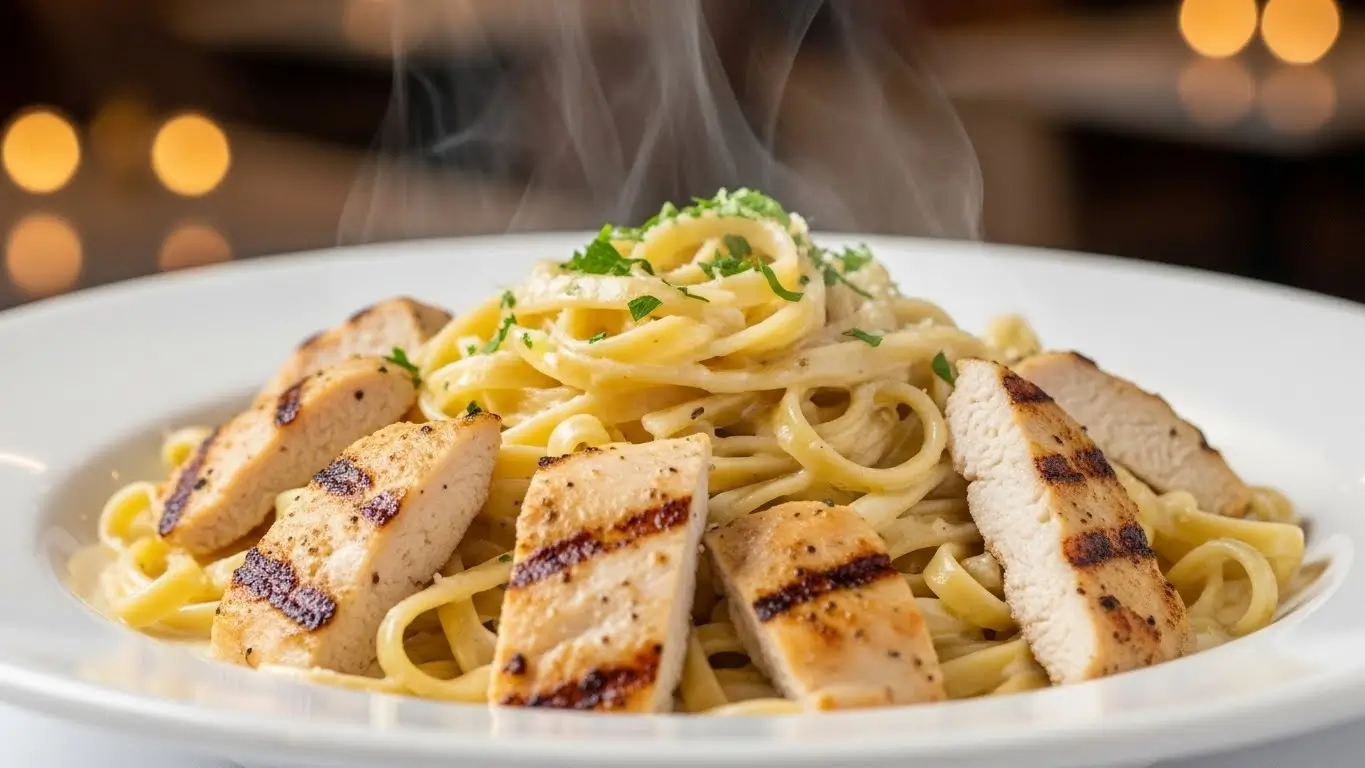
Remember that feeling of pure comfort when you take the first bite of something truly special? For many of us, a creamy, dreamy pasta dish evokes memories of family gatherings and cozy evenings at home. It’s the kind of meal that feels like a warm hug on a plate.
This particular chicken alfredo recipe has earned its place as a beloved classic for good reason. It masterfully combines tender poultry with a rich, cheesy sauce that coats every noodle. Whether you’re planning a quick dinner after a long day or hosting a special occasion, this versatile dish consistently delivers crowd-pleasing appeal.
Our guide is designed to walk you through every step with confidence. You’ll learn how to select the finest ingredients and master simple techniques for restaurant-quality results right in your own kitchen. We focus on creating a silky, homogenous sauce that clings perfectly without feeling heavy.
By following our clear instructions, you’ll avoid common pitfalls and create a masterpiece that feels indulgent yet is straightforward to prepare. Let’s transform your next meal into an unforgettable experience.
Key Takeaways
- This guide provides a complete walkthrough for making perfect creamy pasta at home.
- The dish is incredibly versatile, working for both busy weeknights and special gatherings.
- You’ll learn techniques to achieve a smooth, restaurant-quality sauce every time.
- We share essential tips to prevent common issues like rubbery poultry or a clumpy sauce.
- The instructions emphasize simplicity and flavor using easy-to-find ingredients.
- By the end, you’ll be able to create a version that rivals your favorite Italian restaurant.
- This is a foolproof approach to a classic comfort food favorite.
Introduction to Chicken Alfredo
What began as a simple Roman sauce has transformed into one of America’s most beloved and frequently requested dinner options. This iconic meal represents more than just food—it’s a cultural touchstone that bridges Italian tradition with American family life.
The Ultimate Comfort Food
Few meals deliver such immediate satisfaction. The combination of silky sauce, tender protein, and perfectly cooked noodles creates a harmonious experience. Each component works together to please both adults and children.
Its rich, familiar taste evokes warm memories. Many associate it with celebrations, cozy nights in, or special family gatherings. The texture balance feels indulgent yet approachable.
This pasta creation has earned its status through universal appeal. It transforms basic ingredients into something extraordinary. The result is a protein-packed dinner that satisfies deeply.
The best comfort foods are those that feel like a celebration, even on an ordinary Tuesday. They connect us to tradition while fitting perfectly into modern life.
A Brief History of Alfredo Sauce
The story starts in early 20th century Rome. Alfredo di Lelio wanted to help his wife regain her appetite after childbirth. He created a simple blend of butter and Parmesan cheese.
This original version was called “fettuccine al burro.” It gained popularity in his trattoria. Hollywood stars visiting Rome in the 1920s brought the concept back to America.
Across the Atlantic, the sauce evolved significantly. American cooks added heavy cream for extra richness. This created the smoother, more luxurious version we know today.
The adaptation highlights how culinary ideas travel and change. What was once a Roman specialty became an Italian-American hallmark. This journey adds meaningful context to every preparation.
| Primary Ingredients | Butter, Parmesan cheese, pasta water | Butter, heavy cream, Parmesan, garlic |
| Texture Profile | Light, emulsified coating | Rich, creamy, and substantial |
| Typical Serving | Fettuccine pasta alone | Pasta with added protein (often poultry) |
| Culinary Tradition | Roman trattoria staple | Italian-American restaurant favorite |
| Cultural Significance | Postpartum recovery meal | Family dinner and celebration dish |
Understanding this background enriches the cooking experience. It connects today’s home cook to a century-old tradition. Simple, quality ingredients still create extraordinary results.
The evolution demonstrates how recipes adapt across cultures. From Roman origins to global popularity, this sauce’s journey is complete. Today, it stands as a testament to culinary innovation meeting timeless appeal.
Why You’ll Love This Chicken Alfredo Recipe
Finding a meal that balances indulgence with everyday practicality can feel like discovering culinary gold. This particular preparation delivers on multiple fronts, making it a standout choice for various situations. Let’s explore what sets it apart and why it might become your new favorite.
The appeal lies in its thoughtful design. Every element works together to create a harmonious dining experience. You get restaurant-quality results without professional kitchen skills.
Creamy Without Being Overly Heavy
Many rich pasta dishes leave you feeling weighed down. This version achieves luxurious texture without that heavy aftermath. The secret is in the ingredient selection.
Instead of relying solely on heavy cream, this approach uses whole milk. The result is a sauce that’s smooth and velvety. It coats each noodle beautifully without overwhelming the palate.
You still get that signature richness people crave. The flavor profile remains deep and satisfying. Yet the finished product feels lighter and more balanced.
This careful balance makes the dish enjoyable any day of the week. You can savor it without reservation. It’s comfort food that doesn’t compromise your comfort afterward.
Perfect for Weeknights and Special Occasions
Versatility is a key strength here. The total preparation time clocks in around thirty-five minutes. That makes it achievable after a busy workday.
Despite the quick timeline, the results feel special enough for celebrations. The elegant presentation and rich taste impress guests. It transforms an ordinary Tuesday into something memorable.
The process is streamlined for efficiency. Each step builds logically on the previous one. You’ll have a complete meal ready before you know it.
This dual nature is rare in home cooking. Most quick meals lack sophistication. Most elaborate dishes require hours of work. This preparation bridges that gap perfectly.
Family-Friendly and Crowd-Pleasing
Universal appeal makes this a reliable choice. Picky eaters and food enthusiasts alike find satisfaction here. The familiar flavors please nearly everyone.
The creamy sauce and tender protein create a comforting combination. Even reluctant vegetable eaters might be convinced. It’s a meal that brings people together.
When serving groups, you can count on empty plates. The dish scales up easily for larger gatherings. Everyone leaves the table happy and satisfied.
Learning this method gives you a dependable culinary staple. You can dress it up with garnishes for company. Or keep it simple for a quiet family dinner.
| Lighter Sauce Base | Uses whole milk instead of only heavy cream | Delivers richness without excessive heaviness, making it enjoyable more frequently |
| Efficient Timeline | Ready in about 35 minutes total | Fits into busy schedules while still delivering impressive, homemade results |
| Dual-Purpose Design | Works for both casual dinners and special events | Maximizes your recipe repertoire by serving multiple occasions |
| Broad Appeal | Pleases both children and adults | Eliminates the need to prepare separate meals for different tastes |
| Foolproof Technique | Simple steps with clear instructions | Ensures consistent, delicious outcomes every time you make it |
| Beautiful Coating | Sauce adheres perfectly to pasta and protein | Creates a cohesive dish where every bite is balanced and flavorful |
This preparation represents the ideal home-cooked meal. It respects your time while rewarding your effort generously. The techniques you’ll learn apply to many other dishes too.
Once mastered, this becomes a go-to option for countless situations. You’ll appreciate having such a versatile tool in your cooking arsenal. It’s the kind of meal that builds confidence in the kitchen.
Key Ingredients for the Best Flavor
Transforming simple pantry staples into something extraordinary requires understanding how each ingredient contributes. The magic of this beloved pasta creation lies in the synergy between its core components. Selecting the right elements ensures every bite delivers maximum satisfaction.
Think of yourself as a culinary architect. Each choice you make builds toward the final masterpiece. From the type of noodle to the cut of poultry, every decision matters.
Choosing Your Pasta: Fettuccine and Beyond
The shape of your noodle plays a crucial role in the dining experience. Wide, flat ribbons like fettuccine are the classic choice for good reason. Their substantial surface area captures and holds the creamy coating beautifully.
This design ensures the sauce clings to every inch. You get a perfect balance of pasta and flavor in each forkful. The texture contrast between the tender noodle and rich sauce is ideal.
Don’t feel limited to just one option, though. Other long, flat shapes like linguine or tagliatelle work wonderfully. Even shorter options like penne or rigatoni can succeed.
The key is selecting a shape with good sauce-carrying capacity. Look for ridges, hollow centers, or broad surfaces. These features help distribute the creamy element evenly.
The Chicken: Breasts vs. Thighs
Your protein selection influences both texture and taste. Boneless, skinless chicken breasts offer a lean, tender result. When cooked properly, they provide clean slices that pair elegantly with the rich sauce.
Many home cooks prefer this cut for its mild flavor and quick cooking time. It’s important to avoid overcooking to prevent dryness. A golden sear followed by gentle cooking maintains perfect juiciness.
Boneless, skinless chicken thighs present a delicious alternative. Their slightly higher fat content makes them more forgiving during preparation. The result is often richer and more succulent.
Thighs naturally offer more flavor depth due to their composition. They’re an excellent choice if you prefer a more robust protein presence. Both options create a satisfying meal when prepared with care
Building a Rich Alfredo Sauce
The heart of this dish is its luxurious, creamy coating. Quality dairy forms the foundation of any memorable version. Real butter provides the rich base flavor that can’t be replicated.
Fresh garlic sautéed in that butter creates an aromatic foundation. This step builds savory depth beyond simple cream and cheese. The fragrance alone will have everyone gathering in the kitchen.
Heavy whipping cream is the secret to that velvety, restaurant-quality body. It reduces beautifully to create a thick, luscious consistency. The high fat content ensures a smooth, homogeneous texture.
Great cooking is about building layers of flavor. Start with quality foundations, and everything that follows will shine brighter.
Cheese selection makes all the difference. Freshly grated Parmigiano Reggiano or a similar Parmesan cheese melts into silky perfection. Pre-grated varieties often contain additives that can create graininess.
Grating your own cheese from a block guarantees smooth incorporation. The fresh cheese disperses evenly throughout the warm cream. This creates that signature glossy finish everyone loves.
| Pasta | Fresh fettuccine | Dried linguine or tagliatelle | Fresh pasta offers superior tenderness, while quality dried options provide excellent sauce adherence and al dente texture. |
| Protein | Boneless, skinless chicken breasts | Boneless, skinless chicken thighs | Breasts deliver lean, tender slices; thighs offer richer flavor and more forgiving juiciness during cooking. |
| Dairy Base | European-style butter & heavy cream | Regular butter & whole milk | Higher fat dairy creates a richer, more luxurious sauce; milk-based versions can be slightly lighter while still creamy. |
| Cheese | Freshly grated Parmigiano-Reggiano | High-quality domestic Parmesan | Authentic Italian cheese provides complex nutty flavor; good domestic options still melt beautifully for a smooth sauce. |
| Aromatics | Fresh garlic cloves | Minced garlic from jar | Fresh cloves offer brighter, more nuanced flavor; prepared versions provide convenience while still building savory depth. |
Understanding these components empowers you to make smart substitutions. You can tailor the dish to your preferences without losing its essential character. The goal is always a harmonious balance of flavors and textures.
Each element should complement rather than compete with the others. When selected with care, they come together to create something greater than the sum of their parts. That’s the true art of cooking with intention.
Ingredients You’ll Need
Success in the kitchen starts long before the stove is turned on—it begins with thoughtful ingredient preparation. Having everything measured and ready ensures a smooth cooking process. This approach, called mise en place, transforms cooking from stressful to enjoyable.
Each component plays a specific role in creating the final masterpiece. Quality ingredients make a noticeable difference in flavor and texture. We’ll break down everything required into three logical categories.
For the Pasta
The foundation of this dish begins with your noodle selection. Fettuccine is the classic choice for good reason. Its wide, flat surface area captures sauce beautifully.
You’ll need 8 to 12 ounces of dried pasta. This amount serves four people comfortably. The exact quantity depends on how saucy you prefer your meal
If fettuccine isn’t available, other long, flat noodles work well. Linguine or tagliatelle make excellent substitutes. The key is choosing shapes that hold creamy coatings effectively.
For the Chicken
Your protein selection influences both texture and flavor. About one pound of boneless, skinless chicken breasts works perfectly. This yields tender slices that pair elegantly with rich sauce.
Seasonings build essential depth. You’ll need basic pantry staples: salt, black pepper, and paprika. Italian seasoning adds herbal complexity.
A small amount of olive oil helps achieve a golden sear. About two teaspoons coat the pan adequately. This creates flavorful fond for building sauce later.
For the Alfredo Sauce
This luxurious coating requires careful ingredient balance. Start with a fat base like unsalted butter. Half a cup provides a rich foundation flavor.
Aromatics come next. Three to four cloves of fresh garlic create savory depth. Mince them finely for even distribution.
The liquid component determines the sauce’s body. Many versions use 1½ cups of heavy cream. This creates that signature velvety texture.
Parmesan cheese is non-negotiable for authentic flavor. Freshly grate about 8 ounces from a block. Pre-grated varieties often contain anti-caking agents.
Final seasonings include additional salt and pepper. Fresh parsley makes a vibrant garnish. Some cooks add cream cheese for extra tang.
Measure twice, cook once. Having your ingredients prepped is like having a roadmap for your culinary journey—it keeps you on track and prevents wrong turns.
| Pasta | Dried fettuccine | 8-12 oz | Base component that carries the sauce |
| Protein | Boneless chicken, seasonings, olive oil | 1 lb + spices | Provides savory element and texture contrast |
| Sauce Base | Butter, garlic, heavy cream | ½ cup, 3 cloves, 1½ cups | Creates rich, aromatic foundation |
| Cheese & Finish | Parmesan, salt, pepper, parsley | 8 oz, to taste | Adds cheesy richness and final seasoning |
This list offers flexibility for customization. Try thighs instead of breasts for richer flavor. Use whole milk for a slightly lighter sauce.
The core ingredients remain consistent across variations. Having them prepared beforehand makes the actual cooking effortless. You’ll appreciate this organization when everything comes together seamlessly.
Essential Kitchen Tools
Before you turn on the stove, taking inventory of your kitchen arsenal sets the stage for success. The right equipment transforms preparation from frustrating to fluid. Having everything within reach keeps your focus on cooking rather than searching
This isn’t about owning every gadget on the market. It’s about selecting versatile, reliable pieces that perform multiple jobs well. Quality tools make techniques easier to execute properly.
They help you manage heat distribution and cooking time effectively. The result is consistently better outcomes with less effort. Let’s explore what you truly need for this particular meal.
Must-Have Cookware
Your primary cooking vessel deserves careful consideration. A large, heavy-bottomed skillet or sauté pan is non-negotiable. Its substantial construction prevents hot spots that could burn your sauce.
This single piece handles searing protein and builds the creamy coating. Cooking everything in one vessel maximizes flavor development. Those browned bits left in the pan become the foundation for something delicious.
You’ll also need a separate large stockpot for your noodles. Pasta requires ample space to move freely in boiling water. Crowding leads to sticky, unevenly cooked results.
The pot should hold at least four quarts of liquid. Generous amounts of well-salted water season the noodles from within. This basic step elevates the entire dish’s flavor profile.
Helpful Prep Tools
Organization begins with proper preparation equipment. A sharp chef’s knife makes quick work of mincing garlic and slicing protein. Dull blades require more force and increase accident risks.
A sturdy cutting board provides a stable, sanitary work surface. Choose one large enough to contain your prep without crowding. This keeps ingredients organized and your counter clean.
For cheese, a box grater or microplane creates fine, fluffy shreds. Freshly grated cheese melts smoothly into warm sauce. Pre-shredded varieties often contain anti-caking agents that can cause graininess.
Measuring tools ensure consistency in your sauce texture. Dry and liquid measuring cups serve different purposes accurately. Spoons help balance seasonings for perfectly seasoned results every time.
The difference between a good meal and a great one often comes down to the tools you use. They’re extensions of your skills in the kitchen.
Don’t overlook simple items that streamline workflow. Kitchen tongs offer precise control when turning protein in the skillet. They’re also perfect for tossing finished noodles with sauce.
A whisk helps emulsify your dairy-based coating into silky perfection. Its wires break up any potential lumps during the reduction process. The result is a homogeneous, velvety texture.
Have a clean plate ready to hold cooked protein while it rests. This simple step keeps your workspace organized. A colander stands by for draining noodles when they reach ideal doneness.
| Primary Cookware | Heavy-bottomed skillet | Even heat distribution prevents burning and allows fond development | Choose one with sloped sides for easy tossing and stirring |
| Pasta Cooking | Large stockpot | Ample space prevents noodles from sticking together during cooking | Salt the water once it’s boiling, not before, for better absorption |
| Cutting & Prep | Sharp chef’s knife | Clean cuts preserve ingredient texture and make prep faster | Hone your knife before each use to maintain its edge |
| Measuring | Nested measuring cups/spoons | Accuracy ensures sauce consistency and proper seasoning balance | Use liquid measuring cups for fluids, dry for powders and shreds |
| Utility Tools | Kitchen tongs & whisk | Tongs offer control, whisk creates smooth emulsion without lumps | Keep tongs nearby for safe handling of hot items in the pan |
While not strictly necessary, a meat thermometer provides scientific precision. It removes guesswork about when protein reaches a safe internal temperature. This prevents both undercooking and dry, overcooked results.
Consider a rolling pin or heavy pot if you prefer thinner cutlets. Gently pounding them creates even thickness for consistent cooking. This simple technique ensures every bite is equally tender.
Place your tools on the counter side before beginning. This mise en place approach keeps you calm and organized. You’ll appreciate having everything within arm’s reach as you cook.
Remember that quality matters more than quantity. Invest in a few versatile pieces that will serve you for years. They’ll pay for themselves in improved results and cooking enjoyment.
Prep Work: Setting the Stage
A seamless cooking experience begins with thoughtful groundwork that transforms chaotic preparation into elegant execution. This phase determines your entire kitchen journey’s flow and final outcome quality.
Think of it as backstage preparation before a performance. Every element must be in its proper place. This organization prevents mid-cooking scrambles that can compromise results.
Proper setup allows you to focus on technique rather than searching for ingredients. It creates a calm, controlled environment where culinary magic can happen naturally.
Prepping the Chicken Cutlets
Your protein’s preparation directly impacts texture and cooking consistency. Start by examining your poultry pieces for uniform thickness.
Thicker cuts often require adjustment. You can slice them horizontally or use a rolling pin for gentle pounding. This creates even cutlets that cook at the same rate.
Uneven thickness leads to problematic results. The thinner sections overcook while the thicker parts remain underdone. Proper preparation eliminates this common issue.
Once your pieces are uniform, apply seasoning generously. A blend of salt and pepper forms the foundation. Add dried herbs like Italian seasoning or paprika for complexity.
Coat both sides thoroughly to ensure flavor in every bite. This seasoning creates a delicious crust during searing. It also enhances the overall dish’s depth.
This simple step takes only minutes but pays significant dividends. Well-prepared poultry cooks evenly and stays juicy. It becomes the perfect partner for your creamy sauce.
Measuring and Grating Ingredients
Before any heat touches your pan, complete your mise en place. This French term means “everything in its place.” It’s the professional chef’s secret to smooth operations.
Begin with your aromatics. Fresh garlic needs careful preparation. Peel and mince the cloves finely for even distribution throughout your sauce.
If using parsley for garnish, chop it now. Fresh herbs add vibrant color and bright flavor contrast. Having them ready ensures timely finishing.
The cheese preparation deserves special attention. Always grate your Parmesan from a solid block. Pre-shredded varieties contain additives that prevent clumping.
These additives also prevent smooth melting. Freshly grated cheese incorporates seamlessly into warm sauce. It creates that signature silky texture everyone loves.
Measure all remaining components precisely. Have your dairy, fats, and dry noodles portioned and accessible. This prevents measurement errors during the cooking process.
Organization in the kitchen isn’t about perfection—it’s about creating space for creativity to flourish without unnecessary obstacles.
This preparatory stage typically requires about ten minutes. That investment yields substantial returns in cooking efficiency. You’ll move between steps with confidence and precision.
Everything flows smoothly when ingredients await their moment. There’s no frantic searching while something burns on the stove. You maintain complete control over timing and technique.
Consider these essential preparation steps:
- Ensure protein pieces have uniform thickness for consistent cooking.
- Apply seasoning blends to all sides before cooking begins.
- Mince aromatics finely for even flavor distribution
- Grate cheese freshly from a block for optimal melting
- Measure all components before heating any pans.
- Organize your workspace logically for efficient workflow.
This systematic approach transforms cooking from stressful to enjoyable. It allows you to focus on the art of combining flavors rather than the chaos of preparation. The result is consistently superior outcomes with less effort.
Remember that great meals begin long before the stove is lit. They start with thoughtful preparation that honors each ingredient’s potential. This respect for the process shows in every delicious bite.
Step-by-Step Chicken Alfredo Recipe Instructions
Now begins the dance between heat, timing, and technique that elevates simple ingredients to something memorable. These clear instructions guide you through each phase with precision. You’ll achieve perfect results by following the logical sequence.
The entire process requires about thirty-five minutes of active cooking time. This efficient timeline makes it ideal for weeknight dinners. Every step builds toward the final, satisfying meal.
Step 1: Cooking the Pasta Perfectly
Begin by bringing a large pot of water to a rolling boil. Add a generous amount of salt once the liquid bubbles vigorously. This season, the noodles from within as they cook.
Add your fettuccine to the boiling water. Cook according to package directions until al dente. This means the pasta should be tender but still have a slight bite.
Before draining, reserve one cup of the starchy cooking liquid. This water is crucial for adjusting your sauce consistency later. Drain the remaining liquid and set the cooked noodles aside.
Step 2: Seasoning and Searing the Chicken
While the pasta cooks, prepare your protein. Pat the poultry pieces dry with paper towels. This ensures a proper sear when they hit the hot skillet.
Season both sides generously with salt, black pepper, and your chosen herbs. Heat two teaspoons of olive oil in a large pan over medium-high heat.
Add the seasoned cutlets to the hot oil. Cook for three to five minutes per side. They should develop a golden-brown crust and reach an internal temperature of 165°F.
Transfer the cooked protein to a clean plate. Let it rest for a few minutes before slicing. This allows the juices to redistribute evenly throughout the meat.
Step 3: Crafting the Homemade Alfredo Sauce
Using the same skillet, reduce the heat to medium. Melt half a cup of butter in the pan. The residual fond from searing will enrich your sauce.
Add three to four cloves of finely minced garlic to the melted butter. Sauté for about thirty seconds until fragrant. Be careful not to let the garlic brown or burn.
Pour in one and a half cups of heavy cream. Whisk continuously as the cream heats through. This prevents scorching and encourages smooth emulsification.
Gradually sprinkle in eight ounces of freshly grated Parmesan cheese. Stir constantly until the cheese melts completely into the sauce. The mixture should become smooth and velvety.
The key to a flawless sauce lies in constant attention. Keep your whisk moving and your heat controlled for silky perfection.
Step 4: Combining Everything and Serving
Add the drained pasta directly to the sauce in the skillet. Use tongs to toss everything together vigorously. Ensure each strand gets coated with the creamy mixture.
If the sauce seems too thick, add reserved pasta water a splash at a time. This starchy liquid loosens the consistency beautifully. It helps create a glossy coating that clings perfectly.
Slice the rested poultry against the grain into strips. Arrange these pieces over the sauced noodles. Garnish with fresh parsley and an extra crack of black pepper.
Serve immediately while hot and creamy. The complete dish comes together in just over half an hour. You’ll have a restaurant-quality meal ready for the table.
| 1. Pasta | Boil in salted water until al dente | 8-12 minutes | Always reserve starchy pasta water before draining |
| 2. Protein | Sear seasoned cutlets in hot oil | 6-10 minutes | Let meat rest before slicing to retain juices |
| 3. Sauce | Build creamy emulsion in same skillet | 5-7 minutes | Whisk constantly while adding cheese to prevent clumping |
| 4. Assembly | Toss pasta with sauce, add protein | 3-5 minutes | Use pasta water to adjust sauce to perfect consistency |
Following these steps ensures every component reaches its ideal state. The pasta stays perfectly textured. The protein remains juicy and flavorful.
Your sauce achieves that luxurious, restaurant-quality smoothness. The entire process flows naturally from one step to the next. In about thirty-five minutes, you’ll create a complete, impressive meal.
Pro Tips for Restaurant-Quality Results
Mastering a few professional kitchen secrets can transform your home cooking from ordinary to extraordinary. These tips address common challenges that home cooks face. They ensure every component of your meal reaches its ideal state.
Applying these methods creates consistently excellent outcomes. You’ll avoid the pitfalls that lead to disappointing textures. Your finished dish will rival what you’d order at a fine Italian restaurant.
How to Avoid Rubbery Chicken
Texture issues with poultry often stem from improper preparation. Start by ensuring your chicken breast pieces have uniform thickness. Use a rolling pin to gently pound thicker sections.
This simple step guarantees even cooking throughout each cutlet. Thinner areas won’t overcook while thicker parts remain underdone. Uniform breasts cook at the same rate for perfect doneness.
Always let cooked chicken rest before slicing. Cover it loosely with foil for at least five minutes. This allows juices to redistribute evenly throughout the meat.
Slicing too soon causes those precious fluids to escape. The result is dry, tough protein that lacks succulence. Proper resting maintains the tenderness you worked hard to achieve.
The Secret to a Silky, Non-Clumpy Sauce
A grainy or separated coating ruins an otherwise perfect meal. The key lies in controlling your heat when adding dairy elements. Keep the temperature low and gentle throughout the process.
High heat causes the cream and cheese to separate. This creates an unappealing, oily texture. Maintain a gentle simmer rather than a vigorous boil.
Incorporate your grated Parmesan gradually while stirring constantly. Remove the pan from direct heat or turn it very low. The cheese should melt slowly into the warm cream.
Freshly grated Parmesan from a block melts more smoothly. Pre-shredded varieties contain anti-caking agents. These additives can interfere with achieving that velvety consistency.
Why Pasta Water is Liquid Gold
Never pour that starchy cooking liquid down the drain. Reserved pasta water serves multiple crucial functions. It’s the secret weapon for professional-quality results.
The starch in this water acts as a natural emulsifier. It helps bind the fat and liquid components of your sauce. This creates a creamier, more cohesive texture.
Use this liquid gold to adjust your sauce consistency perfectly. Add it splash by splash until you achieve the ideal coating. The starch helps the sauce cling to every strand of fettuccine.
If your sauce seems too thin, let it simmer gently to reduce. For a thicker alfredo sauce, incorporate more grated cheese. The reserved water gives you complete control over the final texture.
The most transformative cooking insights are often the simplest. They don’t require fancy equipment—just understanding how ingredients interact with heat and time.
| Dry, Rubbery Protein | Pound to even thickness + rest before slicing | Even cooking prevents overcooked edges; resting retains natural juices within the meat |
| Grainy or Separated Sauce | Low heat + gradual cheese incorporation | Gentle heat prevents dairy proteins from tightening too quickly; slow melting ensures smooth emulsion |
| Sauce Too Thick or Thin | Reserved starchy pasta water | Starch molecules help bind fat and water for perfect consistency; adjustable in both directions |
| Mushy Noodles | Cook pasta only to al dente | Pasta continues cooking in hot sauce; starting firm ensures perfect texture in finished dish |
| Lack of Flavor Depth | Use same skillet for chicken and sauce | Browned bits (fond) from searing dissolve into sauce, adding complex savory notes |
| Uneven Cooking | Avoid overcrowding the pan | Proper spacing allows steam to escape and ensures direct contact with hot surface for even browning |
These professional tips address the most frequent home cooking frustrations. They transform potential problems into opportunities for excellence. Each technique builds upon basic culinary principles.
Remember that great cooking is as much about method as ingredients. Applying these insights consistently will elevate all your kitchen creations. Your meals will impress both family and guests alike.
Delicious Variations and Swaps
Culinary creativity shines brightest when you take a beloved formula and reimagine it with new ingredients and flavors. This classic preparation offers incredible flexibility for personalization. You can adapt it based on dietary needs, pantry contents, or simply to keep your meals exciting.
Exploring variations helps prevent culinary boredom. It allows you to cater to different tastes within your household. The foundation remains solid while the details evolve beautifully.
Alternative Protein Options
While poultry is traditional, many other proteins work wonderfully. Seafood like shrimp or scallops brings a sweet, delicate flavor. They cook quickly and pair elegantly with the rich sauce.
For a heartier option, consider Italian sausage or crispy pancetta. These add savory depth and a satisfying texture contrast. Andouille sausage introduces a smoky, spicy note that livens up the entire dish.
Adjust cooking times based on your protein choice. Shrimp need only a few minutes until pink and opaque. Sausage should be fully cooked through before adding to your pasta.
Playing with Sauce Ingredients
The creamy component itself welcomes experimentation. For a lighter version, substitute half-and-half or whole milk for heavy cream. This reduces richness while maintaining a smooth texture.
Incorporate cream cheese for extra tang and body. It helps thicken the sauce naturally. Just blend it in gradually until fully melted.
Fresh herbs dramatically change the flavor profile. Try basil, thyme, or rosemary instead of parsley. Each brings its own aromatic character to the meal.
Add vegetables directly to the dish for completeness. Sautéed mushrooms, spinach, or sun-dried tomatoes work beautifully. Peas add sweet pops of color and nutrition.
For a spicy kick, include red pepper flakes during simmering. A Cajun seasoning blend on your protein creates bold, complex heat. These small tweaks keep your preparations feeling fresh.
Different Pasta Shapes to Try
Fettuccine’s wide ribbons are iconic for good reason. They hold sauce beautifully on their broad surfaces. Yet many other noodles deliver excellent results too.
Long, flat alternatives like linguine or pappardelle work wonderfully. They offer similar sauce-carrying capacity. Their textures provide pleasant variation.
Short shapes create fun eating experiences. Penne, rigatoni, or farfalle capture pockets of creamy goodness. These options are especially family-friendly and easy to eat.
The key is selecting pasta with good sauce adhesion. Ridges, hollow centers, or curled edges help. They ensure every bite delivers balanced flavor.
| Protein Swaps | Shrimp, scallops, Italian sausage, pancetta, bacon | Adjust cooking time: shrimp (2-3 min), sausage (cook through) | Shrimp: sweet & delicate; Sausage: savory & hearty; Pancetta: salty & crisp |
| Sauce Modifications | Half-and-half instead of cream, add cream cheese, incorporate vegetables | Use lower heat with milk to prevent curdling; sauté veggies first | Lighter texture, tangier notes, added earthiness or sweetness from produce |
| Herb & Spice Variations | Basil, thyme, rosemary, red pepper flakes, Cajun seasoning | Add delicate herbs at end; incorporate spices while sauce simmers | Bright floral notes, woody aromatics, or controlled heat levels |
| Pasta Alternatives | Linguine, pappardelle, penne, rigatoni, farfalle | Cook according to package directions for al dente texture | Different mouthfeel and sauce distribution; some shapes better for scooping |
| Complete Meal Additions | Sautéed mushrooms, spinach, sun-dried tomatoes, peas | Cook vegetables before adding to sauce or mix in at end | Adds nutrition, color contrast, and complementary flavors to rich base |
These customization options empower you to make the dish uniquely yours. They accommodate different dietary preferences seamlessly. Your pantry contents become inspiration rather than limitation.
Experimenting builds confidence in the kitchen. You learn how ingredients interact and complement each other. The result is a versatile repertoire of satisfying meals.
Remember that successful variations honor the original’s spirit. They enhance rather than overwhelm the foundational flavors. With practice, you’ll develop your own signature twists.
What to Serve with Chicken Alfredo
A well-chosen side dish transforms a single plate into a complete feast that satisfies every craving. The right accompaniments balance the rich, creamy main attraction. They add contrasting textures and fresh flavors to the overall experience.
Planning these elements turns a simple dinner into something special. You create a harmonious spread that pleases everyone at the table. Let’s explore the best partners for your pasta creation.
The Perfect Green Salad Pairing
A crisp salad provides essential contrast to a luxurious pasta dish. The acidity in a light vinaigrette cuts through the creamy richness beautifully. This creates balance in every bite of your meal.
An Italian-style salad with mixed greens works wonderfully. Add tomatoes, cucumbers, and red onions for crunch. A simple oil and vinegar dressing keeps things fresh and bright.
For a more substantial option, consider a classic Caesar salad. It shares flavor profiles with the main course. Parmesan and garlic notes create delicious harmony.
Fresh parsley or basil make excellent garnish. They add a pop of color and herbal freshness. This simple touch elevates the entire presentation.
Vegetable Side Dishes
Roasted or steamed vegetables introduce welcome texture and nutrition. They bring color to your plate and complement the pasta’s creaminess. Choose options that cook quickly for efficiency.
Broccolini or asparagus work particularly well. Toss them with olive oil, garlic, and lemon before roasting. The result is tender-crisp with bright, savory flavor.
Green beans or broccoli are other excellent choices. Steam them until just tender. A sprinkle of lemon zest adds a refreshing note.
These vegetable side dishes complete the nutritional profile of your meal. They ensure you’re serving a well-rounded dinner. Everyone gets their greens in a delicious way.
Bread for Dipping and Sopping
No Italian pasta dinner feels complete without bread on the table. It serves the practical purpose of capturing every last drop of sauce. This turns cleanup into a delicious activity.
Garlic bread remains a family favorite for good reason. The buttery, aromatic slices pair perfectly with creamy pasta. They’re easy to prepare while your main dish finishes.
A crusty baguette or focaccia also works beautifully. Tear off pieces to scoop up sauce directly from your plate. The texture contrast between soft pasta and crisp bread is delightful.
Consider serving bread warm for the best experience. Brush it with garlic-infused butter or olive oil. A sprinkle of herbs adds extra dimension.
The magic of a great meal lies in how all the elements work together. Each component should enhance the others, creating a symphony of flavors and textures that delights from start to finish.
| Green Salads | Italian mixed green, Caesar, simple garden salad | Toss fresh greens with light vinaigrette just before serving | Provides acidic contrast, freshness, and textural crunch against creamy pasta |
| Vegetable Sides | Roasted broccolini, steamed asparagus, garlic green beans | Roast or steam with olive oil, garlic, and citrus | Adds color, nutrition, and bright flavors that cut through richness |
| Bread Selection | Garlic bread, crusty baguette, focaccia, breadsticks | Warm in oven, brush with garlic butter or olive oil | Essential for sauce absorption, adds comforting carbohydrate element |
| Complete Menu Planning | Choose one from each category for balanced feast | Prepare sides concurrently with main dish timing | Transforms single dish into full dining experience suitable for gatherings |
When serving a crowd, keep your side selections simple and complementary. Allow the main attraction to remain the star of the show. This prevents overwhelming your guests’ palates.
Planning a complete menu with salad, vegetables, and bread creates a satisfying feast. It turns what could be a one-dish meal into a well-rounded dinner. These pairings enhance the overall dining experience significantly.
Experiment with different combinations to find your favorites. Many recipes for these accompaniments are quick and straightforward. They’ll become valuable additions to your cooking repertoire.
Storing, Reheating, and Making Ahead
The true test of a great meal often comes the next day, when leftovers need to maintain their delicious appeal. With proper techniques, you can enjoy your creation again without compromising quality. Smart storage and reheating methods preserve texture and flavor beautifully.
Understanding these principles minimizes food waste and extends your cooking efforts. You’ll transform one preparation into multiple satisfying meals. This knowledge is especially valuable for busy households planning ahead.
How to Store Leftovers
Proper storage begins immediately after your meal concludes. Transfer any remaining portions to airtight containers within two hours of cooking. This prevents bacterial growth and maintains freshness.
You can store components together or separately based on your preference. Combined storage saves space and simplifies reheating. Separate storage allows more control over texture restoration later.
Refrigerate your containers promptly at temperatures below 40°F. The creamy pasta creation maintains its best quality for up to three days. Beyond this point, dairy components may begin to separate.
For meal preparation, consider cooking your protein ahead of time. Sliced poultry stores well in its own container for three days. Freshly grated Parmesan cheese also keeps beautifully when refrigerated properly.
The sauce and cooked pasta are best prepared fresh for optimal texture. If you must store them, keep them in separate containers. This prevents the noodles from absorbing all the creamy liquid.
Best Methods for Reheating
Gentle and slow approaches yield the best results when reviving your meal. The stovetop method provides superior control over temperature and consistency. You’ll need a skillet or saucepan and a few minutes of attention.
Place your leftovers in the pan over low heat. This gradual warming prevents the dairy from separating. Stir frequently to distribute heat evenly throughout the mixture.
Add a small splash of liquid to restore the original creamy texture. Water, milk, or cream all work effectively. The liquid helps loosen the sauce as it warms to serving temperature.
Patience is the secret ingredient when reheating creamy dishes. Rushing the process with high heat almost guarantees disappointment in texture and flavor balance.
Microwave reheating often leads to uneven results. The appliance’s intense bursts of energy can break delicate emulsions. If you must use this method, employ a low power setting.
Stir your food every thirty seconds when microwaving. Add liquid between stirring sessions to maintain moisture. This careful approach minimizes texture issues common with quick reheating.
Can You Freeze Chicken Alfredo?
Freezing this particular dish presents significant challenges for texture preservation. The dairy-based sauce contains components that separate upon freezing and thawing. This often results in a grainy, unappealing consistency.
When ice crystals form in the creamy mixture, they disrupt the emulsion. Upon reheating, the fat and liquid components refuse to recombine smoothly. The once-silky texture becomes broken and oily.
If you absolutely need to freeze portions, understand the limitations. The thawed result will differ noticeably from the freshly made version. Consider freezing only the cooked protein component separately.
| Refrigeration | Leftover complete dish or components | 3 days | Excellent when properly reheated |
| Freezing (Not Recommended) | Cooked protein only (without sauce) | 2-3 months | Sauce becomes grainy; protein maintains quality |
| Meal Prep Components | Pre-cooked chicken, grated cheese | 3 days refrigerated | Fresh preparation of sauce and pasta recommended |
For advanced preparation, focus on component-based planning instead. Cook and slice your poultry ahead of time. Grate your Parmesan cheese and store it in an airtight container.
Prepare your fettuccine or other noodles fresh when ready to serve. Make the creamy coating just before assembling your final meal. This hybrid approach balances convenience with quality.
Proper storage and reheating techniques ensure enjoyable leftovers. Your efforts in the kitchen continue to provide satisfaction beyond the initial meal. With these methods, you minimize waste while maximizing flavor.
Conclusion
Bringing a restaurant-quality pasta creation to your home table is now within easy reach with the knowledge you’ve gained. This comprehensive guide has equipped you with everything needed to master a classic chicken alfredo recipe.
By focusing on quality ingredients and proper techniques, you can consistently create a worthy dish. Remember that simplicity is the true strength of this preparation.
The rich, creamy flavor profile shines when you follow the clear instructions. Use the professional tips to avoid common mistakes and ensure perfect results every time.
With a total preparation time of around thirty minutes, this versatile meal solves both busy weeknight dinner needs and special occasion planning. We hope it becomes a cherished favorite in your home kitchen.
FAQ
Can I use a different type of pasta?
Absolutely. While fettuccine is the classic choice, many other shapes work well. Linguine, pappardelle, or even penne are excellent alternatives. The key is to use a noodle that can hold onto the rich, creamy sauce.
What’s the best way to reheat leftovers without the sauce separating?
Gentle, low heat is crucial. Add a splash of milk or broth to the pasta in a skillet over medium-low heat. Stir frequently until warmed through. Avoid the microwave on high power, as it can cause the heavy cream and cheese to break.
Is it possible to make this dish ahead of time?
You can prep components in advance. Cook the protein and store it separately. Grate the Parmesan cheese and measure the other ingredients. For the best texture, combine the sauce and noodles just before serving, as the pasta continues to absorb liquid.
Can I use pre-shredded Parmesan for the alfredo?
For the smoothest, silkiest texture, we recommend grating a block of Parmigiano-Reggiano or high-quality Parmesan cheese yourself. Pre-shredded varieties often contain anti-caking agents that can prevent the sauce from becoming perfectly creamy.
How can I add more vegetables to this meal?
A> It’s easy to boost nutrition. Try sautéing broccoli florets, spinach, or sun-dried tomatoes in the pan after cooking the garlic. Simply stir them into the finished dish for added color, flavor, and texture.
