
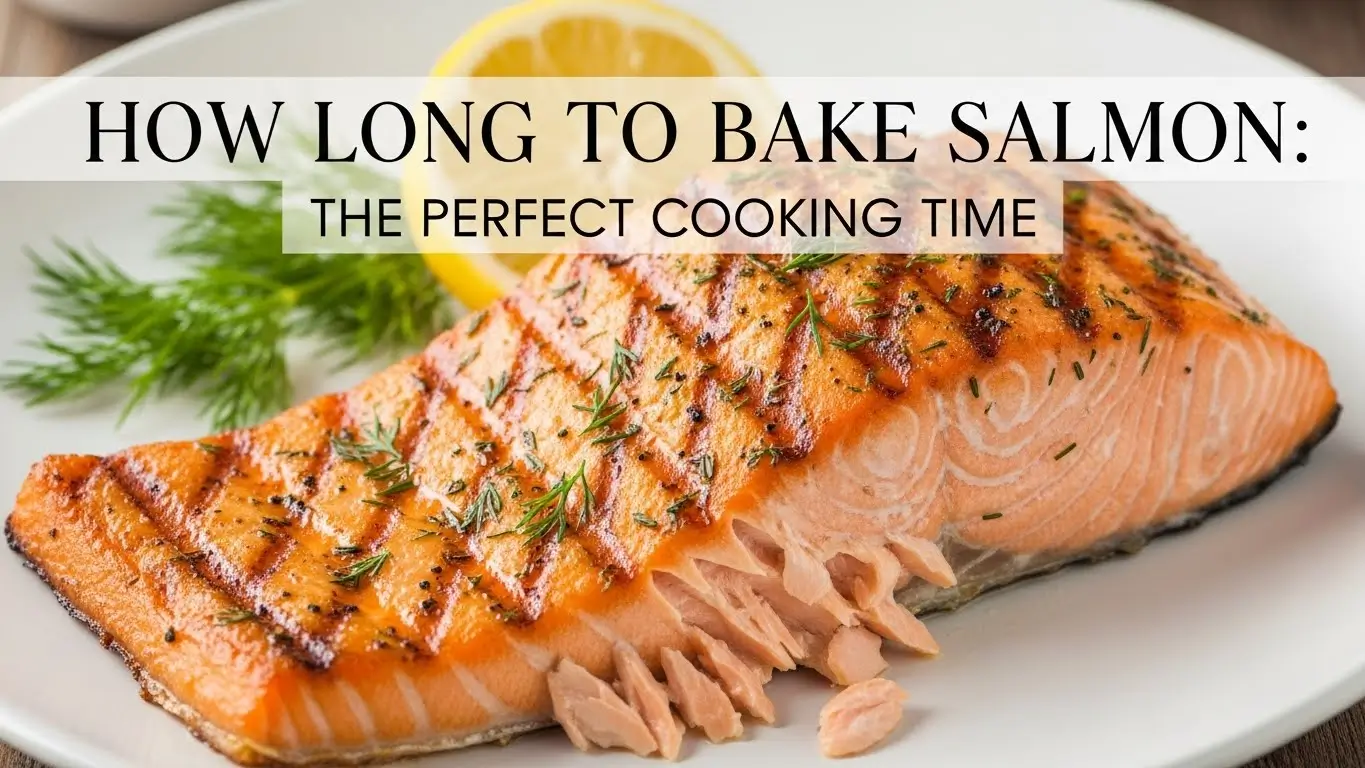
There’s a special kind of joy that comes from placing a beautifully prepared dish on the dinner table. When that dish is wild-caught salmon, glistening with herbs and ready to flake at the touch of a fork, the satisfaction is even greater.
You’ve likely stood at your kitchen counter, wondering about the precise oven duration for that gorgeous fillet. Getting it just right—tender, moist, and full of flavor—feels like a culinary victory.
This moment of uncertainty ends here. Mastering the clock is the single most important step for succulent results. Whether you’re planning a quick weeknight meal or an impressive dinner party, consistent success is within your reach.
Our comprehensive guide cuts through the guesswork, providing clear insights. We’ll explore the key factors that influence your cook, from fillet thickness to oven temperature. You’ll learn reliable methods to test for doneness and troubleshoot common issues.
By the end, you’ll have the confidence and knowledge to prepare this healthy fish perfectly, every single time. Let’s transform your approach to this classic dinner.
Key Takeaways
- Cooking duration is the most critical factor for achieving tender, flaky fish.
- Several variables, including thickness and oven temperature, affect the total time needed.
- Using simple doneness tests prevents the common issue of dry, overcooked fillets.
- Proper preparation before the fish enters the oven enhances the final flavor and texture.
- This guide provides methods from experienced cooks for reliable results.
- With the right information, you can create delicious meals for any occasion.
- The process covers everything from ingredient selection to serving suggestions.
Why Baking Time is Crucial for Perfect Salmon
Precision in the oven is what separates a succulent, flaky fillet from a dry, tough piece of fish. That window for perfection is narrow. Mastering it transforms your results from unpredictable to consistently excellent.
This part of the process is non-negotiable. It protects your investment in quality ingredients and ensures a delightful eating experience.
The Risk of Overcooked Salmon
Going even a few minutes too long has dramatic consequences. The delicate flesh loses its precious moisture rapidly.
What remains is a chalky, crumbly texture. It sticks unpleasantly in your mouth. This wastes both the fish and your effort.
A critical fact to remember is carryover cooking. The internal temperature continues to rise after you pull the tray from the heat. This means you must stop the active cook just before it reaches your desired doneness.
“The most common mistake is leaving it in just one minute too long. Respect the clock, and the fish will reward you.”
Undercooking poses a separate issue. While rare, it can be a safety concern. The goal is the safe, sweet spot where protein is fully set but still tender.
| Undercooked | Translucent, gelatinous | Very wet, raw texture | Mild, sometimes metallic | Not recommended |
| Perfectly Cooked | Opaque & flakes easily | Juicy and moist | Rich, clean flavor shines | Safe and ideal |
| Overcooked | Dry, chalky, tough | Little to no moisture | Strong, sometimes bitter | Safe but unpleasant |
How Perfect Baking Enhances Flavor and Texture
When the time is just right, magic happens in the oven. Proteins gently coagulate, and natural fats render slowly.
This process creates those beautiful, separate flakes that give way under gentle pressure from a fork. The rich oils stay within the flesh, carrying the full depth of flavor.
You preserve the natural sweetness and umami character of the fish. Herbs and spices you’ve added meld perfectly without burning.
Consistency is the true reward. Understanding this principle builds unshakable confidence. You can prepare salmon every time, knowing the outcome will be superb.
Whether you choose a thick steak or a thin fillet, the rule remains. Adjust the minutes, not the fundamental approach. This knowledge is the foundation for every great recipe.
What You Need Before You Start Baking
Before heat ever touches your fish, careful planning and proper equipment set the stage for culinary success. The right choices here prevent common issues and ensure enjoyable results.
Quality ingredients and appropriate tools work together. They create the foundation for a delicious salmon recipe that turns out perfectly.
Choosing Your Salmon: Fillets vs. Sides
Selecting excellent fish is your first critical decision. Look for vibrant color and a moist, firm appearance.
Fresh options should have a clean, ocean-like scent. Avoid any strong fishy odors. Frozen varieties need proper thawing in your refrigerator overnight.
Consider sustainability when purchasing. This choice supports healthy fisheries for future meals.
Individual fillets offer portion control and quick cooking. A whole side makes an impressive presentation for gatherings.
Skin-on cuts provide natural protection during cooking. The layer helps retain precious moisture within the delicate flesh.
Plan for six to eight ounces per person. This portion size guides your pan selection and arrangement on the baking sheet.
Essential Kitchen Tools for Baking Salmon
A rimmed baking sheet is non-negotiable. Its edges contain any juices that may release during cooking.
Line it with foil, followed by parchment paper. This double layer guarantees easy cleanup while preventing sticking.
An instant-read thermometer provides accuracy. It takes the guesswork out of determining doneness.
Use a pastry brush for applying oil or melted butter evenly. This ensures every part of the dish gets proper seasoning.
Consider these optional helpers for your prep:
- Silicone baking mats for consistent non-stick performance
- A citrus squeezer for fresh lemon juice without seeds
- An herb chopper to quickly mince fresh garlic and herbs
Your basic ingredients list is simple. Start with high-heat cooking oil or butter for the base.
Add kosher salt, freshly ground pepper, and your favorite seasonings. Fresh aromatics like garlic and citrus elevate the flavor profile.
These tools transform the process from stressful to smooth. They help achieve consistent results across multiple attempts at different salmon recipes.
Investing in a few key items pays dividends. You’ll enjoy the baking process more and create better meals.
Key Factors That Determine Baking Time
Several key elements work together to determine exactly when your fillet reaches perfection. Recipes provide a starting point, but your specific conditions dictate the final countdown.
Understanding these variables transforms you from a recipe follower into an adaptable cook. You’ll learn to adjust based on what’s in your kitchen.
Thickness: The Most Important Variable
The depth of your cut is the primary driver of required minutes. A thin piece cooks through rapidly, while a thick steak needs patience.
Always measure the thickest part of your fillet. This spot is the last to become opaque and flaky.
For example, a one-inch thick piece at 425°F typically needs six to nine minutes. A three-pound whole side at 350°F requires about twenty-five minutes.
The difference is dramatic. Adjusting for thickness is non-negotiable for consistent outcomes.
Wild and farmed varieties may cook slightly differently. Wild fish is often leaner and denser.
It can require a minute or two less than its farmed counterpart. Farmed salmon has higher fat content, which insulates the flesh.
| 1/2 inch (thin) | 4-6 minutes | 6-8 minutes | 10-12 minutes | Watch closely to prevent overcooking |
| 3/4 inch (standard) | 6-8 minutes | 8-10 minutes | 12-15 minutes | Most common portion size |
| 1 inch (thick) | 8-10 minutes | 10-12 minutes | 15-18 minutes | Measure the center carefully |
| 1 1/2 inches (steak) | 12-15 minutes | 15-18 minutes | 20-25 minutes | Allow for carryover cooking |
Your Oven’s True Temperature and Rack Position
Your appliance’s displayed number is often a suggestion. Oven calibration drifts over time and with use.
An inexpensive oven thermometer reveals the truth. Place it on the center rack during your preheat oven cycle.
“A reliable thermometer is the best investment for any home cook. It removes the biggest variable in the equation.”
The rack’s position controls heat distribution. The center rack provides the most even environment.
Top racks expose food to more radiant heat from the broiler element. Bottom racks get more conduction heat from the floor.
For most salmon fillets, the middle is ideal. This placement ensures gentle, surrounding warmth.
Your pan’s material also matters. Dark metal sheets get hotter faster than light-colored glass or ceramic.
You might need to reduce the time by a minute if using dark metal. Glass dishes may add a minute.
Starting Temperature: Chilled vs. Room Temp
Beginning with cold fish straight from the fridge changes everything. The core must warm up before cooking even starts.
This adds several minutes to your total. It also risks uneven results.
The edges can become dry before the center is done. Letting your portion sit out for fifteen minutes solves this.
Room temperature fish cooks more uniformly from edge to center. The proteins are set at a similar rate throughout.
This simple step is a professional secret for perfection. It prevents the frustrating undercooked middle.
Patience during prep pays dividends in texture. Your final dish will be juicier and more consistent.
Understanding these factors gives you control. You can interpret any recipe and adjust it for your specific situation.
The way you manage thickness, heat, and the starting point defines your success. Master these, and every piece will be excellent.
How Long to Bake Salmon at Different Temperatures
Mastering temperature selection unlocks consistent success with this versatile and healthy protein. Your oven’s heat setting directly shapes the texture, moisture, and cooking duration of your meal.
Each approach offers distinct advantages. The right choice depends on your fillet’s thickness and your desired outcome.
This guide explores three reliable paths. You’ll learn which method suits your specific needs.
Baking at 425°F: The Quick, High-Heat Method
This technique delivers speed and a pleasing exterior. High heat quickly sears the surface while keeping the interior tender.
It works best for portions under one inch thick. The rapid cook minimizes moisture loss.
Expect a slightly crisp top layer. The flesh remains exceptionally juicy inside.
For a standard one-inch fillet, plan for six to nine minutes. Thinner cuts require just four to six minutes.
Always monitor closely during the final moments. The window for perfection is narrow in this intense heat.
This approach shines for weeknight dinners. You achieve restaurant-quality results with minimal effort.
Baking at 400°F: The Balanced, Go-To Approach
Many experienced cooks favor this moderate setting. It provides a forgiving margin for various thicknesses.
The risk of overcooking reduces significantly. You gain extra time to assess doneness.
Surface browning develops more gradually. This allows flavors from herbs and glazes to meld beautifully.
A three-quarter inch piece typically needs eight to ten minutes. A thicker one-and-a-half-inch steak may require fifteen to eighteen.
This temperature handles most recipes flawlessly. It’s particularly ideal when using sweet glazes that could burn at higher temperatures.
Your results will be consistently moist and flaky. This reliable method builds confidence for any occasion.
Baking at 350°F: The Gentle, Low-Temp Option
Patience rewards you with exceptional tenderness. Low heat cooks the flesh gently from edge to center.
This technique excels with larger sides or whole fillets. A three-pound portion needs about twenty-five minutes.
It’s the perfect choice for recipes with creamy sauces. Delicate toppings won’t scorch or separate.
The texture remains supremely moist throughout. Each bite melts pleasantly in your mouth.
Plan for a longer duration but less active monitoring. The slow process ensures even cooking without dry spots.
This method preserves the natural sweetness of the fish. It’s ideal for elegant dinner parties where presentation matters.
| 425°F (High Heat) | Thin to 1 inch | 4-10 minutes | Crisp exterior, very moist interior | Quick weeknight meals, simple preparations |
| 400°F (Moderate Heat) | 3/4 inch to 1.5 inches | 8-18 minutes | Evenly cooked, flaky, balanced moisture | Most recipes, glazed dishes, family dinners |
| 350°F (Low Heat) | 1.5 inches+ or whole sides | 15-30 minutes | Extremely tender, uniformly moist | Large cuts, saucy preparations, special occasions |
Your oven type influences these guidelines. Convection models circulate hot air for faster cooking.
Reduce the suggested minutes by about twenty percent if using convection. Monitor visual cues and internal temperature closely.
Conventional ovens rely on radiant heat. They may require the full recommended duration.
Always consider your specific appliance’s characteristics. An oven thermometer provides valuable insight into its true performance.
“The FDA recommends cooking seafood to 145°F internally. Many chefs prefer removing it at 125-130°F for moister results, as carryover cooking adds the final degrees.”
Surface toppings affect your temperature decision. Sugary glazes benefit from moderate heat to prevent burning.
Herb crusts can handle higher temperatures. Adjust your approach based on the complete recipe.
The most reliable way to guarantee perfect doneness involves a thermometer. Insert it into the thickest part of your salmon fillets.
Visual checks provide helpful backup clues. The flesh should appear opaque and separate easily with a fork.
With these three methods, you can adapt to any situation. Your next baked salmon creation will be your best yet.
The Step-by-Step Guide to Baking Salmon
The journey from a raw fillet to a perfect dinner is guided by three essential stages. This systematic approach removes guesswork and builds your confidence.
Follow each step in order for predictable, excellent results. Your next salmon recipe will be your best yet.
Step 1: Prep Your Pan and Preheat the Oven
Begin by turning on your appliance. A fully heated oven is critical for consistent cooking from the first minute.
Set your desired temperature and allow at least 15 minutes for it to stabilize. This is the preheat oven phase you should never skip.
While it warms, prepare your pan. A rimmed baking sheet is the ideal tool.
Line it first with aluminum foil. This creates a barrier for effortless cleanup.
Add a sheet of parchment paper on top. The parchment prevents sticking and protects your fish from acidic reactions.
Your cooking surface is now ready. This simple prep step saves you from a frustrating scrubbing session later.
Step 2: Prepare and Season the Salmon
Place your salmon fillets on a clean cutting board. Use paper towels to pat the surface of the salmon dry.
Removing excess moisture is a game-changer. It helps seasonings adhere and promotes superior browning.
Arrange the fillets on your prepared sheet, skin-side down. Leave about an inch of space between each piece.
This spacing allows hot air to circulate. It ensures even cooking across all portions.
Now, add flavor. Brush the tops lightly with olive oil or melted butter.
This thin layer helps the heat transfer evenly. It also carries the taste of your herbs and spices.
Season generously with kosher salt and freshly ground black pepper. This basic foundation enhances the natural flavor of the fish.
Consider these popular additions for your ingredients list:
- Fresh lemon slices placed atop or underneath the fillets
- Minced garlic pressed into the flesh
- A sprinkle of dried dill, thyme, or paprika
- A simple glaze was brushed on during the final minutes.
“Take a moment to ensure even coverage on every piece. This attention to detail is what separates a good dish from a great one.”
Step 3: Bake and Monitor Closely
Carefully place the loaded baking sheet on the center rack. Close the oven door gently.
Resist the urge to open it frequently. Each peek causes a significant temperature drop.
Set a timer for a few minutes less than the total estimated time. Begin visual checks as this timer nears its end.
The flesh will transform from translucent to opaque. It should flake easily when tested with a fork.
For glazed recipes, apply the sauce during the last third of cooking. This prevents burning the sugars.
If you desire extra caramelization, a brief broil at the very end can help. Watch it constantly to avoid charring.
Following this guide step-by-step leads to mastery. You will create a moist, flavorful salmon every single time.
How to Tell When Your Salmon is Perfectly Done
The difference between good and great results often comes down to recognizing the right signs of completion. Learning these assessment skills eliminates uncertainty and guarantees moist, flavorful fillets every time.
Two primary methods work together for foolproof verification. The first provides scientific precision, while the second offers immediate visual confirmation.
Using an Instant-Read Thermometer (The Best Method)
An instant-read thermometer delivers objective data. It removes all guesswork about your fillet’s internal state.
This tool is your most reliable guide to food safety and ideal texture. Digital models provide readings in seconds.
Proper technique matters for accuracy. Insert the probe into the thickest part of the fish.
Avoid touching the bone or the baking dish. These surfaces give false readings.
The FDA recommends cooking seafood to 145°F. Many professional chefs prefer removing it at 125-130°F.
This lower range yields moister, more tender results. The flesh continues cooking after removal from the heat.
Carryover cooking typically adds 5-10°F. Plan to pull your baked salmon a few degrees before your target temperature.
Different preferences create different outcomes. Use this table as your reference guide.
| 115-120°F | Rare | Very moist, slightly translucent center | Sushi-grade fish only |
| 125-130°F | Medium-Rare to Medium | Opaque, flakes easily, maximum juiciness | Most home cooks and chefs |
| 135-140°F | Medium-Well | Firm flakes, slightly less moisture | Those preferring well-done fish |
| 145°F+ | Well-Done | Fully firm, drier texture | FDA food safety standard |
The Visual and Flake Test: A Reliable Backup
Visual cues provide immediate feedback. They work alongside your thermometer reading.
The flesh transforms from translucent to opaque. This color change starts at the edges and moves inward.
Properly cooked protein releases small white droplets. These albumin beads appear on the surface.
The flake test is simple and effective. Gently press the thickest part with a fork.
The meat should separate easily along natural lines. It resists slightly before giving way.
Different salmon varieties show unique visual signs. Wild fish often has deeper color from natural diets.
Farmed types may appear more uniformly colored. Learn the specific cues for your chosen fish.
Sometimes tests seem to conflict. Your thermometer might read 135°F while the flesh appears underdone.
Trust the instrument in these situations. Visual assessment improves with experience over time.
Developing multiple assessment skills creates valuable redundancy. You gain confidence through consistent verification.
This comprehensive way of checking ensures perfect results. Your next creation will be your best yet.
Delicious Flavor Variations for Baked Salmon
The true versatility of this premium fish shines through when you explore different flavor profiles. Each approach highlights unique aspects of its natural richness.
From bright citrus notes to earthy herb blends, the options are nearly endless. These variations demonstrate how adaptable this fish can be in your kitchen.
You maintain the same fundamental cooking principles throughout. Only the flavor components change to create new experiences.
This exploration turns a simple salmon recipe into multiple distinct meals. Your family will appreciate the variety without learning new techniques.
Classic Lemon-Herb Butter Glaze
This timeless combination brings brightness and richness together perfectly. The acidity of citrus cuts through the natural oils.
Start with four tablespoons of melted unsalted butter. Whisk in two tablespoons of fresh lemon juice and one minced garlic clove.
Add one tablespoon of chopped fresh dill or parsley. A teaspoon of honey balances the acidity beautifully.
For dried herbs, use half a teaspoon each of oregano and thyme. Mix everything until fully incorporated.
Brush this glaze over your salmon fillets just before they go into the oven. Reserve some for a final brush after cooking.
The butter creates a golden, slightly crisp surface. Citrus prevents the dish from feeling too heavy.
This baked salmon recipe pairs wonderfully with asparagus or roasted potatoes. The bright notes complement green vegetables particularly well.
Remember that butter can burn at higher temperatures. Use moderate heat around 400°F for best results.
Sweet and Savory Honey-Garlic Glaze
Asian-inspired flavors create a caramelized, glossy finish that everyone loves. The combination of sweet and salty is irresistible.
Combine three tablespoons of soy sauce with two tablespoons each of honey and olive oil. Add one tablespoon of Dijon mustard for complexity.
Mince three garlic cloves finely. Whisk them into the mixture until smooth.
This glaze contains natural sugar from honey. Apply it during the last five minutes of cooking to prevent burning.
For a thicker coating, simmer the mixture for two minutes before use. It will reduce slightly and cling better to the fish.
The soy sauce provides umami depth that enhances the natural savoriness. Honey creates beautiful caramelization on the surface.
Serve this variation with steamed rice and broccoli. The sauce becomes a delicious drizzle for the entire plate.
For a dairy-free option, substitute avocado oil in place of butter in any recipe. The neutral flavor won’t compete with your chosen seasonings.
Simple Dry Rub with Herbs and Spices
Pantry staples transform your meal with minimal effort. Dry rubs create a flavorful crust without added moisture.
Start with one tablespoon each of paprika and brown sugar. Add two teaspoons of garlic powder and one teaspoon of onion powder.
Include dried herbs like thyme, oregano, or dill. Use about one teaspoon total of your chosen blends.
Always begin with a base of kosher salt and black pepper. These fundamental seasonings enhance all other flavors.
Pat your fillets completely dry before applying the rub. This helps the mixture adhere to the skin and flesh.
Gently press the blend onto all surfaces. Let it rest for ten minutes before cooking.
Dry rubs benefit from longer, slower cooking at 350°F. The gentle heat allows flavors to penetrate deeply.
This method works exceptionally well for meal preparation. The seasoned fish keeps its flavor when reheated later.
| Lemon-Herb Butter | Butter, lemon juice, garlic, fresh herbs | Before baking and after cooking | 400°F | Asparagus, roasted potatoes, green beans |
| Honey-Garlic Glaze | Soy sauce, honey, garlic, Dijon mustard | Last 5 minutes of baking | 375-400°F | Steamed rice, broccoli, snap peas |
| Herb-Spice Dry Rub | Paprika, garlic powder, dried herbs, brown sugar | 10 minutes before baking | 350°F | Quinoa, roasted carrots, spinach salad |
Each variation maintains the fish’s delicate texture while adding distinct character. You can rotate through these salmon recipes for weekly variety.
Measure your ingredients carefully for consistent results. Small batches allow for experimentation without waste.
The application technique affects the final outcome. Brushing creates even coverage, while rubbing presses flavors into the surface.
“Don’t be afraid to adjust ratios to match your personal taste. Cooking is about creating dishes you truly enjoy.”
Complementary sides complete each flavor profile. Consider how vegetables and starches interact with your chosen seasonings.
These three approaches showcase incredible flexibility. They prove that one excellent salmon recipe can become dozens of different meals.
Your culinary creativity has room to grow within this framework. Start with these foundations, then build your own signature blends.
What to Serve with Your Baked Salmon
The right side dishes transform your main course from a simple protein into a balanced, satisfying dinner. Thoughtful accompaniments highlight the natural richness of your seafood while creating visual appeal on the plate.
Strategic pairing simplifies your cooking process. You can coordinate multiple elements to finish simultaneously. This approach turns weeknight meals into restaurant-worthy presentations.
Consider these complementary categories for complete nutrition. Vegetables provide color and freshness. Starches offer comforting substance to round out your meal.
Quick and Easy Vegetable Sides
Choose vegetables that cook at similar temperatures to your main dish. This allows everything to roast together on one sheet pan or in the same oven.
Asparagus, green beans, and broccoli florets work perfectly. They require about 15-20 minutes at 400°F. Toss them with olive oil, salt, and pepper before roasting.
Brussels sprouts and bok choy offer a hearty texture. Slice sprouts in half for even cooking. Bok choy cooks quickly with beautiful color retention.
Utilize flavors from your salmon preparation. Reserve some herb butter or garlic oil from your baking dish. Drizzle this over vegetables during the last five minutes of cooking.
This technique creates harmonious flavor connections. Every component on your plate shares subtle seasoning notes. Your dinner feels intentionally designed rather than assembled.
Hearty Starches to Complete the Meal
Starches provide a comforting substance that complements delicate fish. They also absorb delicious juices released during cooking.
Roasted potatoes are a classic choice. Cut them into one-inch cubes and season with rosemary or thyme. They’ll cook in about 25-30 minutes at 400°F.
Rice pilaf and quinoa offer lighter alternatives. Prepare these grains ahead of time. Reheat gently while your seafood finishes in the oven.
Crusty bread serves a practical purpose. It soaks up every bit of flavorful sauce from your plate. This eliminates waste and maximizes enjoyment.
Consider these nutritional pairings for balanced meals:
- Whole grains like farro or brown rice add fiber.
- Sweet potatoes provide vitamin A and natural sweetness.
- Wild rice blends offer a nutty texture and visual contrast.
- Polenta or grits create creamy foundations for saucy preparations.
Salad options provide fresh contrast to rich seafood. Mixed greens with simple vinaigrette cut through natural oils. Grain salads with citrus dressing complement lemon-herb preparations.
Asian-inspired vegetables pair beautifully with soy-glazed salmon. Try stir-fried snap peas or sautéed bok choy. These quick-cooking sides maintain crisp texture.
| Lemon-Herb Butter | Roasted asparagus or green beans | Herbed rice pilaf | Shared citrus and herb notes |
| Honey-Garlic Glaze | Sautéed broccoli or snap peas | Jasmine or basmati rice | Asian-inspired flavor profile |
| Simple Herb Rub | Roasted Brussels sprouts | Creamy polenta or mashed potatoes | Earthy, comforting combinations |
| Mediterranean Style | Kale salad with lemon vinaigrette | Quinoa or couscous | Bright, fresh Mediterranean flavors |
Presentation techniques elevate everyday meals. Arrange vegetables in colorful groups around your centerpiece. Use white or neutral plates to make colors pop.
Garnish with fresh herbs or citrus zest. These final touches require minimal effort but create maximum impact. Your dinner will look as good as it tastes.
Simple, well-prepared sides enhance without competing. They should support your beautiful fillet rather than overwhelm it. This principle guides all successful pairings.
With these strategies, every component arrives at the table perfectly timed. You’ll create complete, nutritionally balanced meals that delight everyone at your table.
How to Store and Reheat Leftover Baked Salmon
Maximizing the value of your premium ingredients extends beyond the initial cooking. Proper handling preserves both safety and quality for future enjoyment.
This knowledge reduces food waste from expensive purchases. You can savor every delicious piece of your culinary effort.
Proper Refrigeration for Maximum Freshness
Begin by cooling your cooked fillets to room temperature. This should take no more than two hours for food safety.
Transfer the pieces to an airtight container. Place a layer of parchment paper between stacked fillets if needed.
This prevents them from sticking together. Label the container with the current date for easy tracking.
Your refrigerator should maintain 40°F or below. Store the container on a middle shelf, not in the door.
Door temperatures fluctuate with frequent opening. The consistent cold of the main compartment is ideal.
Properly stored leftovers remain fresh for three to four days. Always inspect before consuming any refrigerated food.
- A strong, unpleasant fishy odor different from the fresh scent
- Noticeable sliminess or discoloration on the surface
- Any signs of mold growth, however small
When in doubt, discard the questionable portion. It’s better to be safe with seafood products.
Gentle Reheating Methods to Prevent Drying
The goal is warming without further cooking. Gentle heat restores texture without sacrificing precious moisture.
Your oven provides the most controlled environment. Preheat it to 275-300°F for this delicate task.
Place the fillets in a baking dish. Add a splash of water, broth, or lemon juice to the bottom.
Cover the dish tightly with aluminum foil. This creates a steamy microclimate that protects the flesh.
Heat for ten to fifteen minutes, just until warmed through. Check the internal temperature with your thermometer.
It should reach 125-130°F, not the original cooking temperature. This prevents the protein from tightening further.
Microwave reheating requires extra care. Use reduced power settings at 50% capacity.
Place the salmon on a microwave-safe plate. Cover it with a damp paper towel to maintain humidity.
Heat in thirty-second intervals, checking between each. Stop as soon as the center feels warm to the touch.
“Low and slow is the mantra for reheating seafood. Rushing this process almost guarantees disappointing, dry results.”
A skillet offers another effective option. Add a tablespoon of broth or water to the pan over low heat.
Place the fillet in the liquid and cover with a lid. Warm for three to five minutes, flipping once halfway.
This gentle steam-heat combination works beautifully. The skin side down creates a slight crispness if desired.
Consider alternative uses where precise texture matters less. Flaked salmon makes an excellent addition to various dishes.
Try it in a fresh green salad with citrus vinaigrette. Mix it into pasta with cream sauce or olive oil and herbs.
Create delicious sandwiches with whole-grain bread and crisp lettuce. These applications forgive slight texture changes from storage.
Freezing extends storage for up to three months. Wrap individual portions tightly in plastic wrap first.
Then place them in a freezer-safe bag, removing excess air. Thaw overnight in the refrigerator before use.
Previously frozen salmon works best in cooked dishes rather than as standalone fillets. The texture becomes more suitable for casseroles or patties.
Always practice proper food safety handling. Use separate utensils for raw and cooked seafood.
Refrigerate leftovers promptly after serving. Never leave cooked fish at room temperature for extended periods.
These techniques ensure your delicious dinner enjoys a satisfying second act. You’ll appreciate the continued value of your quality ingredients.
Troubleshooting Common Baking Mistakes
Understanding how to recover from common errors builds confidence and reduces waste in your cooking. Even the most carefully planned salmon recipe can face unexpected challenges in the oven.
These situations provide valuable learning experiences. Practical solutions exist for most issues you might encounter.
This information transforms potential failures into opportunities for improvement. You’ll learn to salvage meals and maintain quality standards.
How to Fix Salmon That’s Still Undercooked
Discovering translucent flesh after your estimated time can be frustrating. The solution requires gentle additional heating.
Return the fish to the oven for two to three minute increments. Check the internal temperature between each session.
Use your instant-read thermometer for accuracy. Aim for 125-130°F in the thickest section.
Another effective method involves a hot skillet. Heat a small amount of oil over medium-high heat.
Place the fillets in the pan for one to two minutes per side. This creates surface browning without further drying.
The skillet technique works well for individual portions. It provides quick, controlled finishing for slightly underdone pieces.
What to Do If Your Salmon is Overcooked and Dry
Overcooked protein presents different recovery options. The key involves adding moisture back into the equation.
Flake the dry fish into small pieces. Incorporate it into creamy pasta sauces or rich chowders.
The liquid in these recipes rehydrates the flesh. It transforms the texture completely.
Salmon salads offer another excellent solution. Mix the flaked pieces with mayonnaise, Greek yogurt, or avocado.
Add crunchy vegetables for texture contrast. Celery, red onion, and capers work beautifully.
Fish cakes represent a creative recovery method. Combine the flaked salmon with mashed potatoes or breadcrumbs.
Form patties and pan-fry until golden brown. Serve with a flavorful dipping sauce.
Preventing Fishy Odors and Sticking to the Pan
Proper preparation prevents multiple common issues. These techniques ensure smoother cooking experiences.
Always line your baking sheet with parchment paper or foil. This creates a reliable non-stick surface.
Apply a thin layer of oil to both the lining and your salmon fillets. This double protection guarantees easy release.
Control cooking odors with proper ventilation. Turn on your range hood or open a kitchen window.
Immediate cleanup makes a significant difference. Wash your pans and dishes with warm, soapy water promptly.
Add lemon juice or white vinegar to your wash water. These acidic components neutralize persistent smells.
Uneven cooking often stems from oven hot spots. Rotate your baking sheet halfway through the process.
Ensure proper spacing between fillets on the sheet. Crowded pieces steam rather than roast properly.
Over-seasoned fish benefits from balancing ingredients. Serve it with a fresh lemon wedge or yogurt sauce.
The acidic components counteract excessive saltiness. They refresh the overall flavor profile.
Prevent salmon skin from sticking with adequate oil application. Use a thin, flexible spatula for removal after cooking.
Slide the utensil gently between the skin and the pan surface. Apply even pressure to release it completely.
Burned glazes or seasonings require gentle scraping. Remove the charred portions with the edge of a knife.
Serve the dish with additional fresh sauce on the side. This compensates for the lost surface flavor.
“Most baking mistakes have simple, recoverable solutions. View each challenge as a chance to expand your culinary problem-solving skills.”
These troubleshooting techniques empower your kitchen experiments. You can approach new recipes without fear of complete failure.
Every solution builds your confidence as a cook. Your future baked salmon creations will benefit from this practical information.
Conclusion: Your Path to Perfect Salmon Every Time
Transforming a simple fillet into a memorable meal requires understanding, not just timing. You now possess comprehensive information about thickness, oven temperature, and desired doneness.
Consistent results come from mastering variables, not memorizing fixed minutes. Trust your assessment skills with both thermometer readings and visual cues.
This versatile protein suits quick weeknight dinners and impressive entertaining. Quality ingredients and proper preparation form the essential foundation.
Experiment with different flavor profiles to discover your preferences. Mastery develops through practice, with each attempt refining your technique.
You can create excellent baked salmon according to your specific needs. This salmon recipe knowledge ensures delicious salmon every time.
FAQ
What is the best temperature for baking salmon?
A temperature of 400°F offers a balanced approach, cooking the protein through without drying the exterior. For a quicker sear, use 425°F. For a gentler cook, especially with a thick fillet, 350°F works well.
How do I know when my salmon is done without a thermometer?
Use the flake test. Gently press a fork into the thickest part of the flesh. If it separates easily into large, moist flakes and appears opaque, it is ready. The internal temperature should reach 145°F.
Should I bake salmon on foil or directly in the pan?
Lining your baking sheet with foil or parchment paper makes cleanup simple. For crispier skin, place the fillet skin-side down directly on an oiled, oven-safe dish or preheated cast-iron pan.
Can I cook salmon from frozen?
Yes, you can. Add about 50% more time to your recipe. Start with a cold oven, then bake at 400°F until the flesh flakes easily. Thawing it first yields more consistent results.
What are the best seasonings for a salmon recipe?
A> Simple flavors like lemon, garlic, dill, and olive oil are classic. For more depth, try a honey-soy glaze, a dry rub with smoked paprika, or a mustard-herb crust. Always pat the fillet dry before seasoning.
How long can I store leftover baked salmon?
A> Properly refrigerated in an airtight container, your cooked fish will stay fresh for up to 3 days. Reheat it gently in a covered dish at a low oven temperature to preserve moisture.
FAQ
What is the best temperature for baking salmon?
How do I know when my salmon is done without a thermometer?
Should I bake salmon on foil or directly on the pan?
Can I cook salmon from frozen?
What are the best seasonings for a salmon recipe?
How long can I store leftover baked salmon?